
- Title
- Price
- Rating
- Availability date

Tanzania is a very large country in East Africa, covering more than 945,000 km2 of breathtaking landscapes. It includes an incredible diversity of terrain, where you can admire lush valleys and iconic peaks, notably around Arusha, which stands as a key hub for exploring the region. As adventure specialists, Off Road Tanzania offers you the chance to enjoy an authentic experience in the heart of these grand landscapes, meeting all the demands of wilderness enthusiasts.
Tanzania is a country rich in diverse wildlife and flora, and in ancestral cultures preserved by local communities. Whether you are travelling with family or in a group, Tanzania offers a unique discovery experience. Exploring its lands also means immersing yourself in the soul of the local peoples, notably the mythical Maasai people, whose traditions are passed down from generation to generation.
During your trip, you will meet many people: Maasai tribes, Hadzabe, artisans, painters, children, fishermen, farmers… In addition, to meet the expectations of the most budget-conscious travellers, the agency offers organised and integrated tours that guarantee a rich stay tailored to every budget, without unnecessary extra cost. Every encounter is a unique and unforgettable moment. You will be confronted with ways of life and traditions that are very different from those of Westerners. The influence of these ancestral cultures will stay with you forever and will allow for an authentic and personalised exchange that will make your stay a successful adventure full of freedom. We are certain that you will learn a great deal from these encounters.
Of course, you will also encounter many four-legged specimens. That is the whole appeal of a safari: an unmissable adventure in the African bush, where every sighting of wild animals enriches your wildlife experience. The private vehicles and specialist equipment, designed for safety and comfort in the wild, guarantee cool conditions and are conducive to total immersion in this unforgettable expedition.
How do you choose your safari in Tanzania?
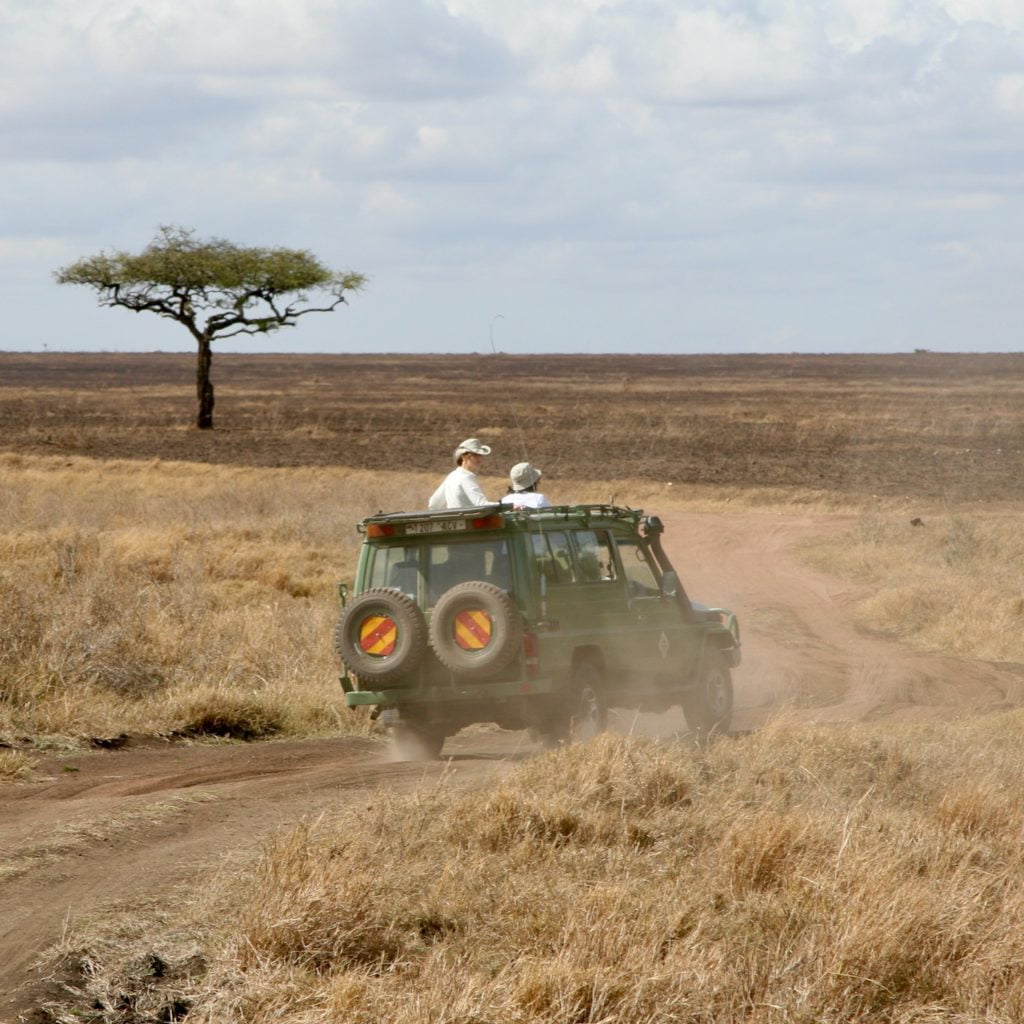
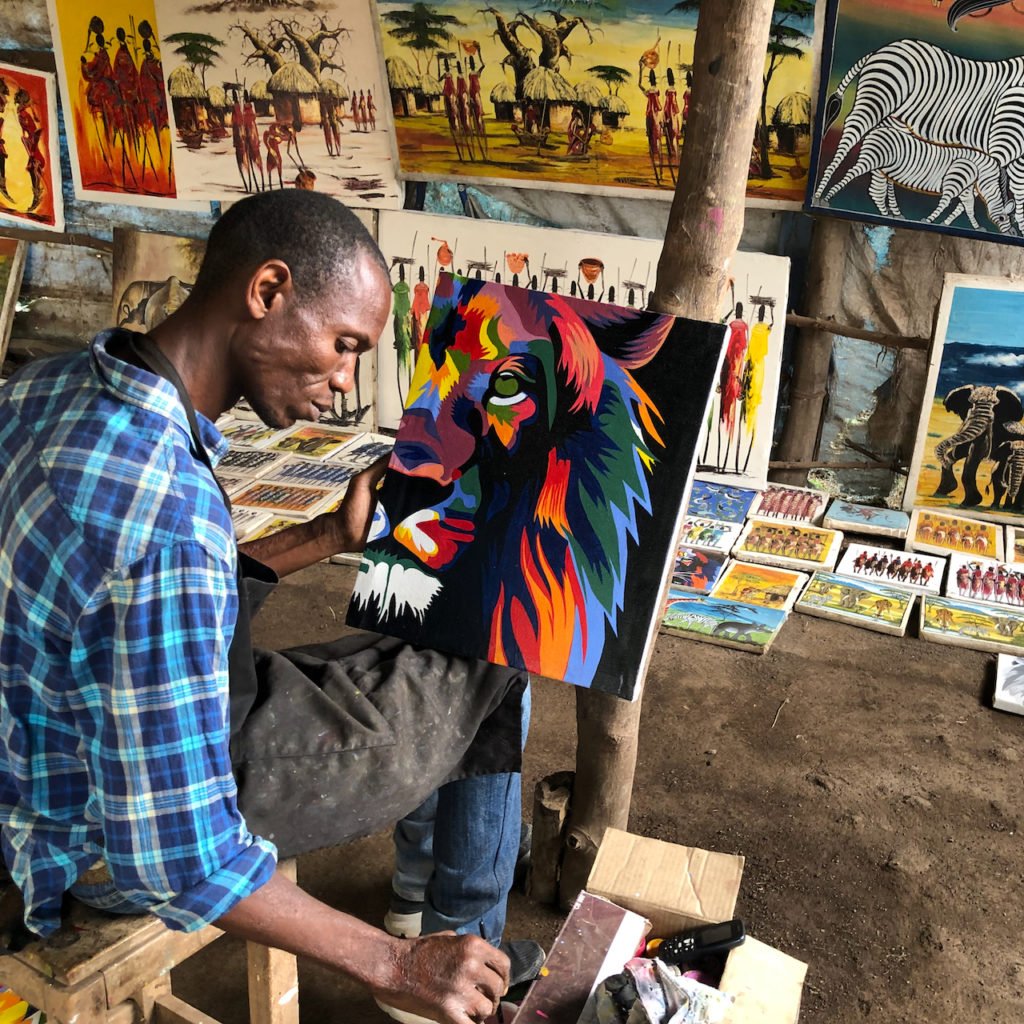
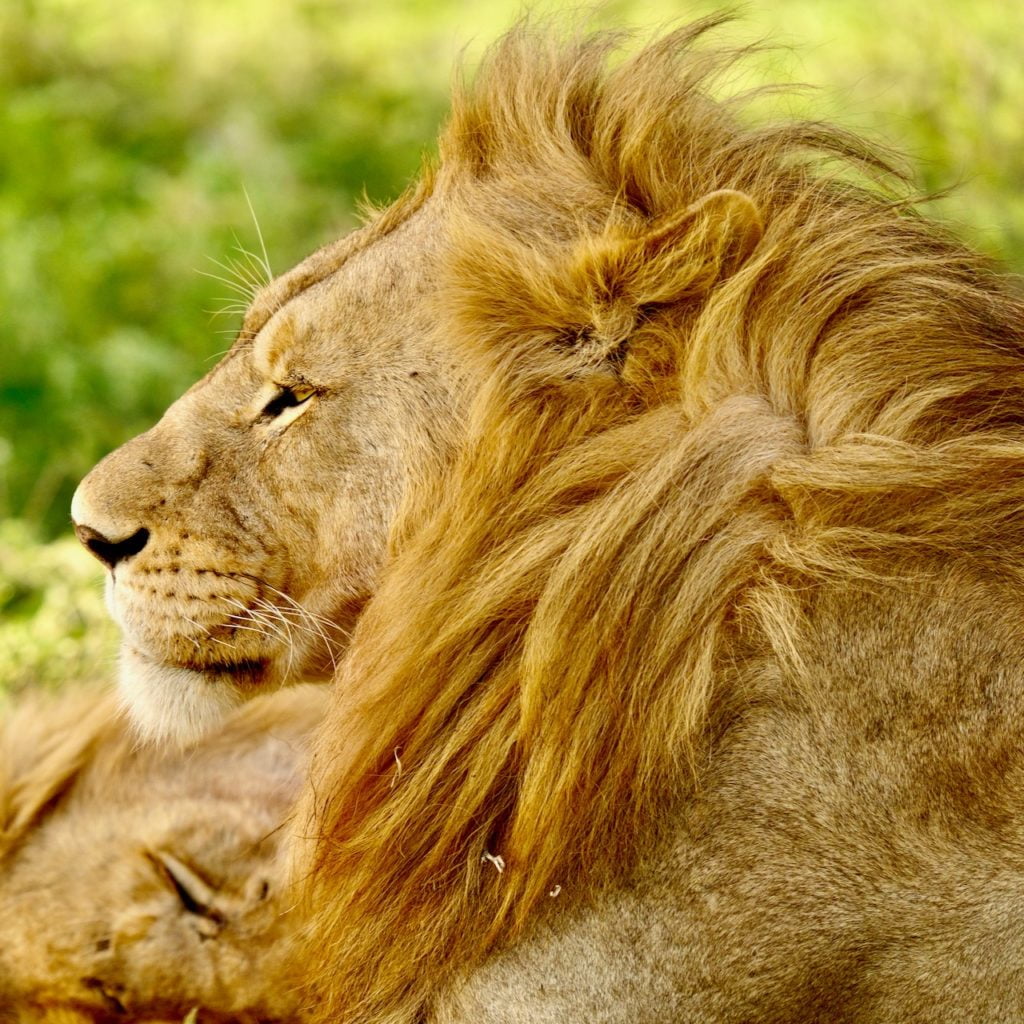
Tanzania is often divided into two parts: the northern parks and the southern parks, so how do you choose your safari? The organisation of your itinerary will depend on your preferences and the type of wildlife you wish to observe. Expert naturalists are on hand to advise you on the best route to take, taking into account seasonal and climatic variations to maximise your chances of sightings.
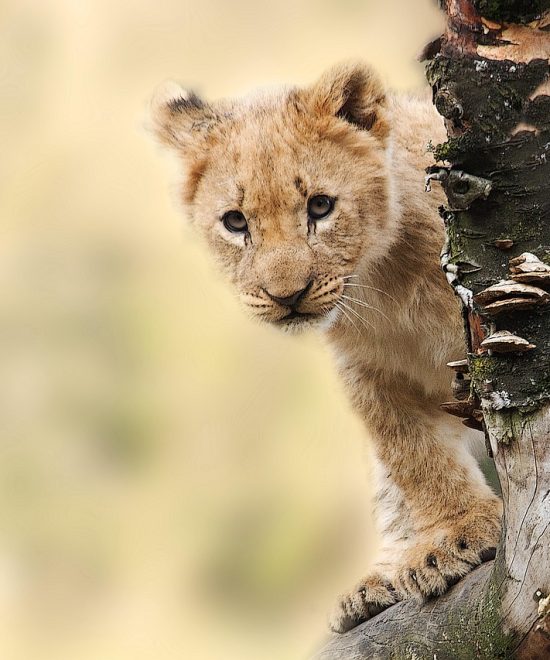
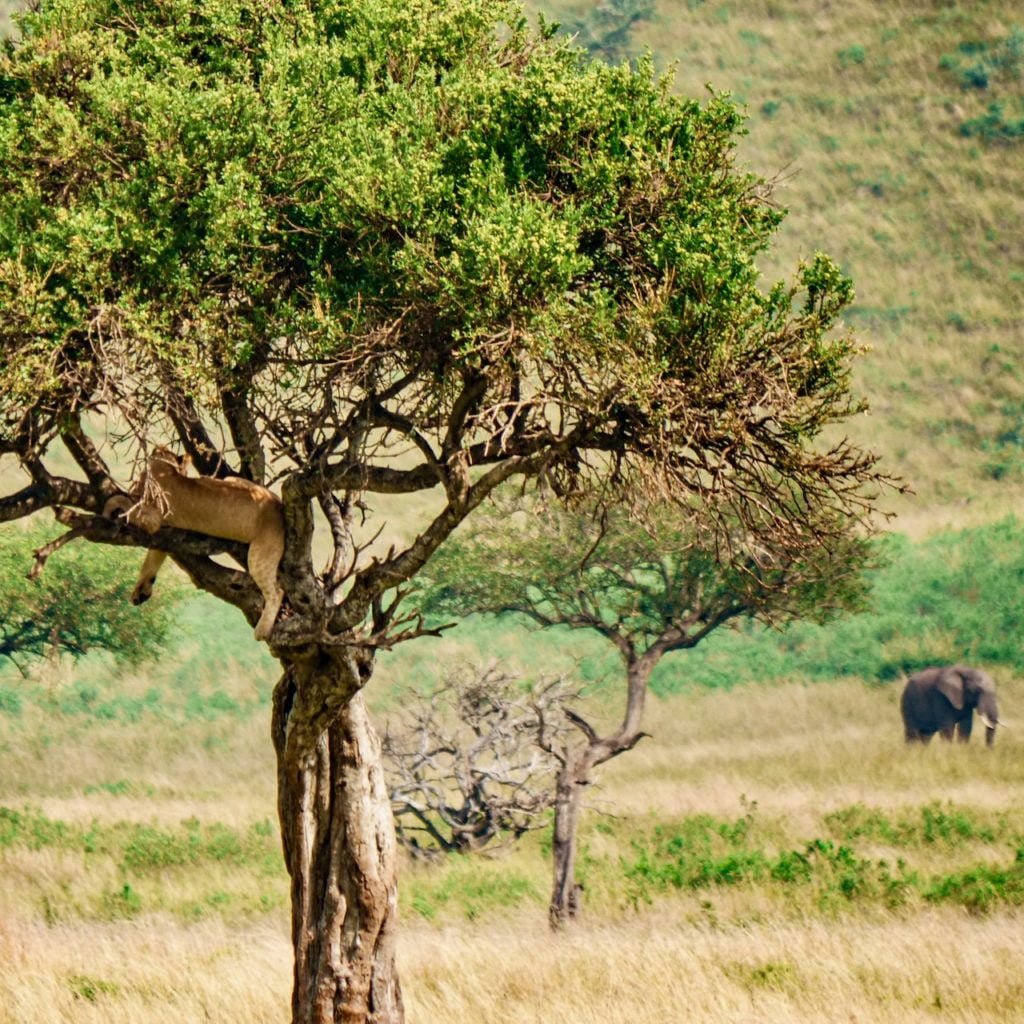
The choice of the Northern parks is very often the best alternative for a first photo safari. In terms of budget comparison, the distances to travel and the ease of access to wildlife sites make it a very economical option. The BIG 5 are accessible across the various reserves and the distances to travel are not as great as in the south. Among these parks, Lake Manyara National Park is renowned for its lions perched in the trees and its lush tropical forest home to many bird species. This special experience is made all the richer thanks to precise wildlife observation and the proximity offered by certain eco-lodge camps.
Quels parcs visiter en Tanzanie ?
If you choose the Northern parks for your safari in Tanzania, do not miss the main parks witnessing the Great Migration: the internal organisation and advance planning of your stay will enable you to avoid the crowds and enjoy an exceptional family and private experience.
- The Ngorongoro Conservation Area, located in northern Tanzania, is a must-see gem for safari enthusiasts. Listed as a UNESCO World Heritage Site, this iconic region is home to the famous Ngorongoro Crater, the largest intact volcanic caldera in the world, where an abundance of wildlife, including the Big Five (lions, elephants, buffalo, leopards and rhinos), thrives in a breathtaking setting. The site, also accessible thanks to optimised logistics and organised camping and expedition circuits, offers an immersive experience on both an ecological and cultural level. In addition to its spectacular wildlife, the conservation area also offers a rich cultural heritage with the Maasai communities who live there in harmony with nature. A safari in Ngorongoro promises total immersion in Africa’s wild beauty and natural diversity.
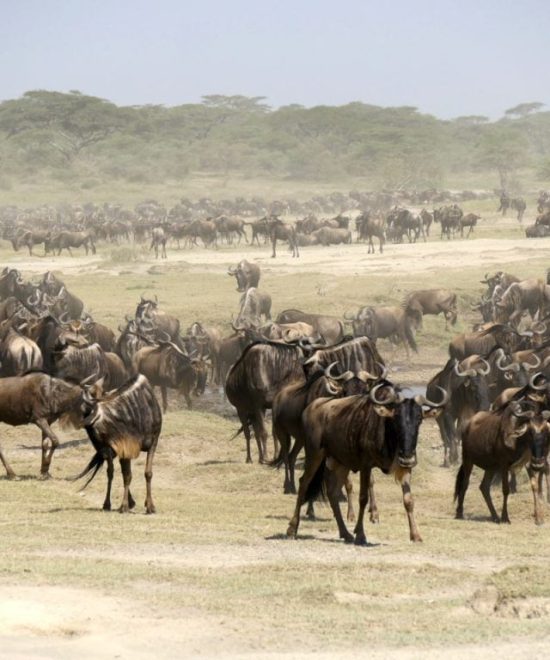
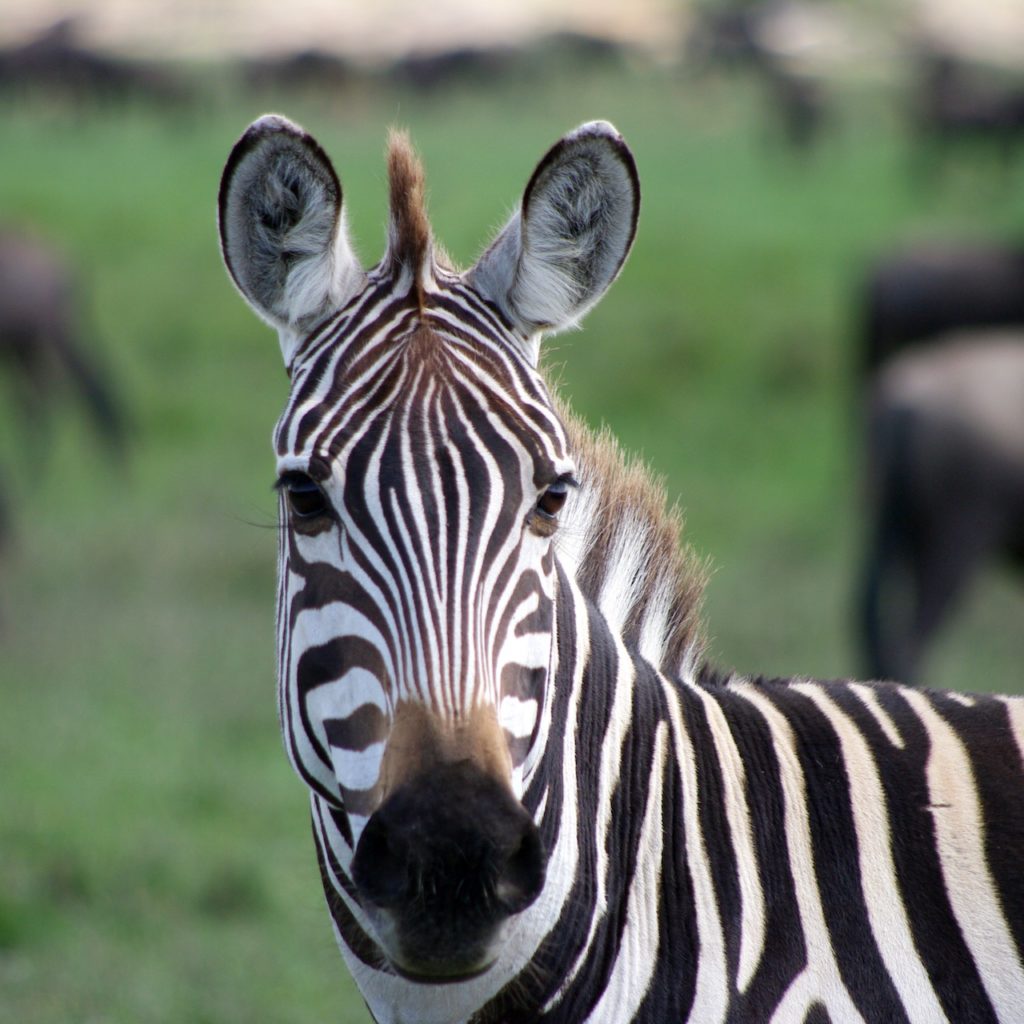
- Serengeti National Park is one of the world’s most famous safari destinations, renowned for its spectacular ecosystem and vast plains stretching as far as the eye can see. This iconic park is the stage for the Great Migration, a breathtaking natural phenomenon where millions of wildebeest, zebras and gazelles cross the savannah in search of new grazing grounds, closely followed by predators such as lions, cheetahs and hyenas. Naturalist specialists and animal behaviour experts are on site to observe even rare species such as the African wild dog and the warthog during this unique expedition. In addition to this unique event, the Serengeti is home to an impressive diversity of wildlife, including the Big Five, and offers breathtaking landscapes ranging from rolling hills to winding rivers. A safari in the Serengeti promises an immersive experience at the heart of African wildlife, with unforgettable scenes at every moment.
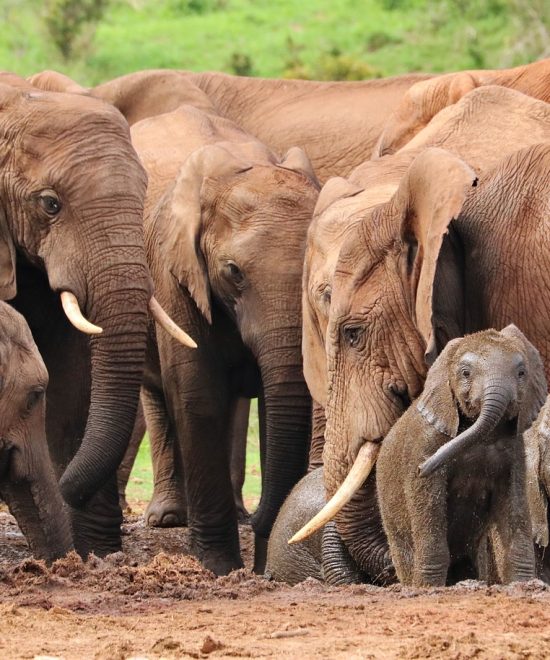
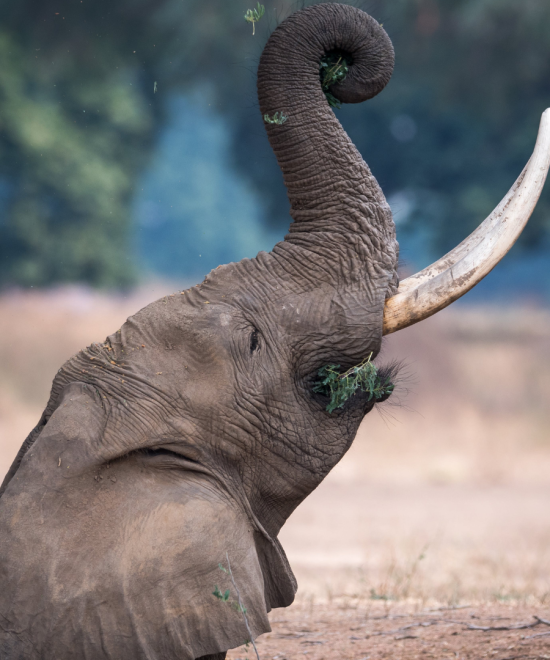
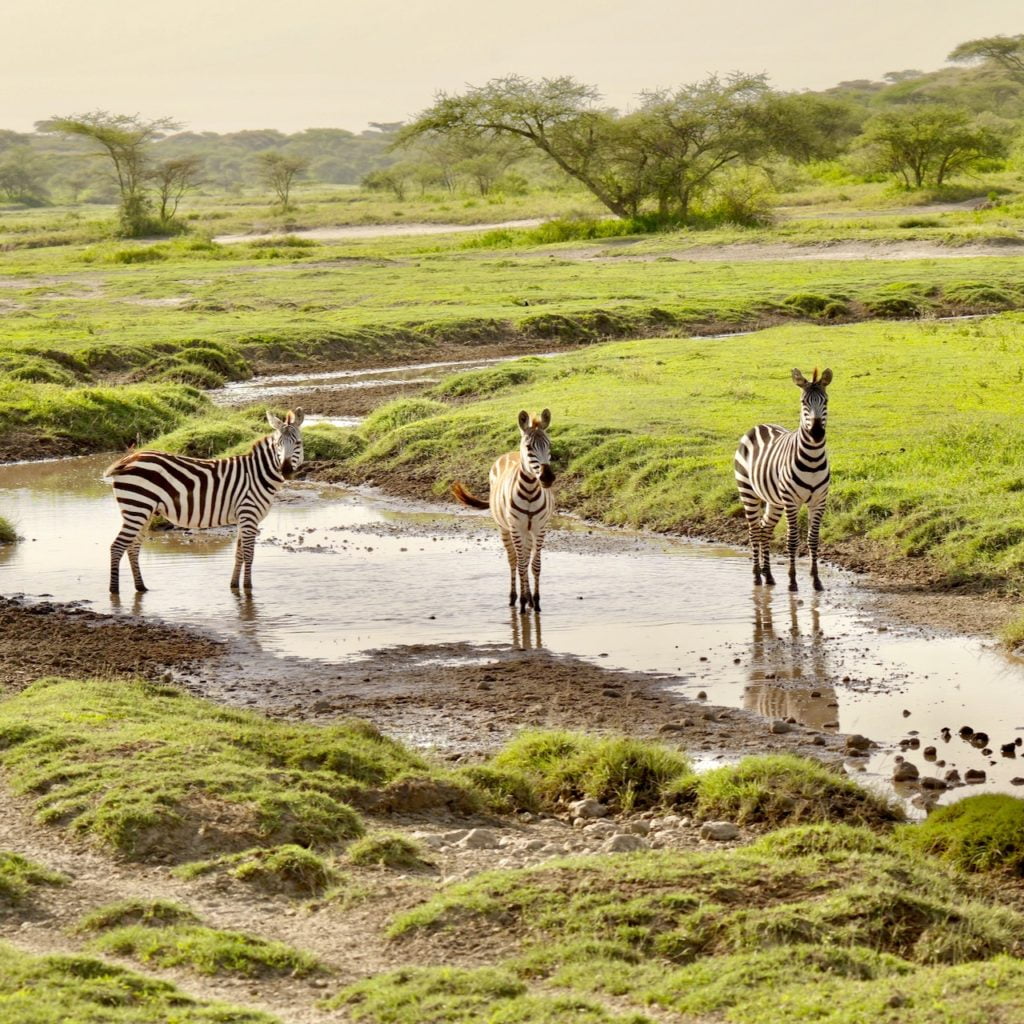
Also stop at Lake Natron to encounter this place inhabited by thousands of pink flamingos! This prime spot is ideal for observing migratory birds in their unusual behaviour and admiring authentic birdwatching migration scenes. Finally, do not hesitate to visit the Ndutu region to witness the births of thousands of zebras and wildebeest between December and March. In addition, Tarangire National Park is an ideal addition for appreciating terrestrial wildlife in a family atmosphere, with its large herds of elephants and its savannah landscapes dotted with majestic baobabs.
If you head south, we recommend stopping in the Udzungwa Mountains, where it is possible to enjoy many hikes on foot, after a wonderful safari in the Selous Reserve. This region offers an ideal setting for camping in the heart of nature, encouraging adaptation to often extreme conditions and immersion in a preserved ecological environment. Finally, Mikumi National Park offers adventurous safaris to encounter wildlife and flora of extraordinary diversity! There you can observe crocodiles, hippopotamuses, lions, giraffes, and a multitude of other animal species. Careful observation is carried out there by expert naturalists, guaranteeing a quality report on each zoological behaviour.
Quels animaux voir en Tanzanie ?
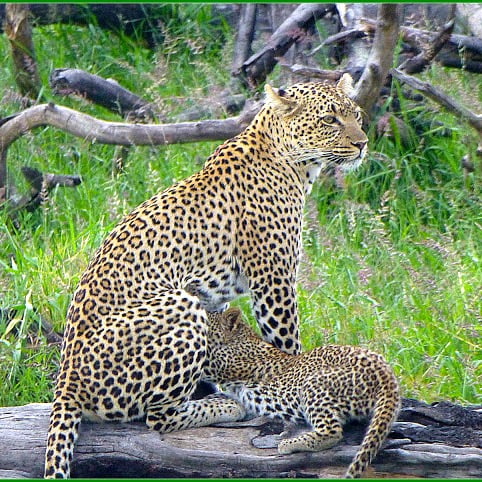
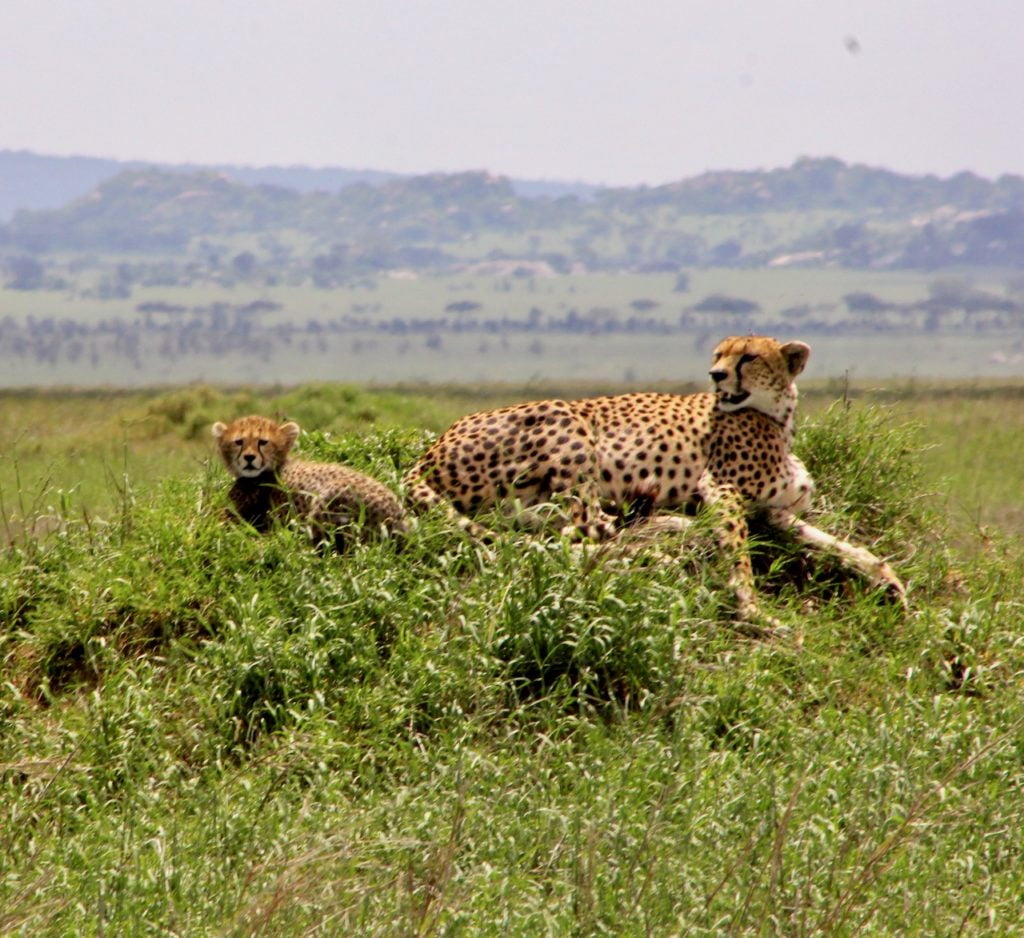
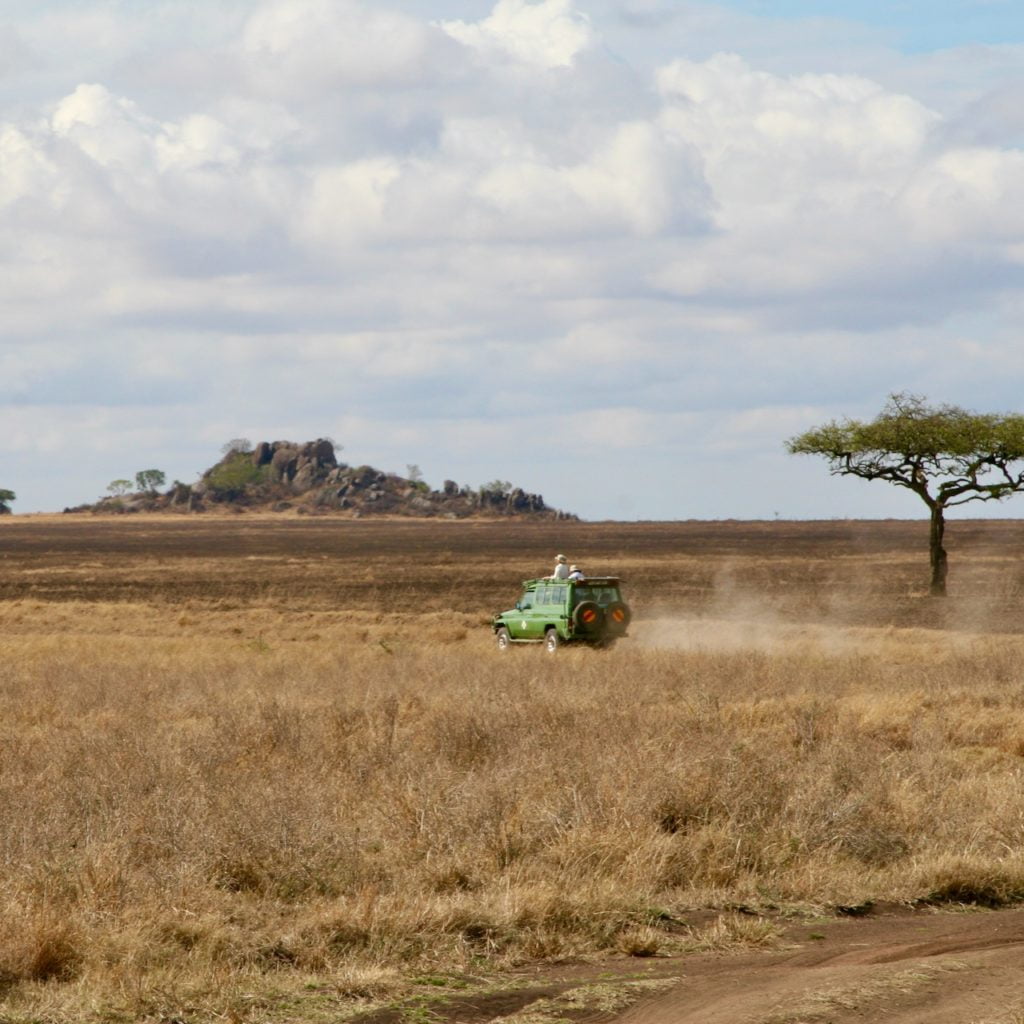
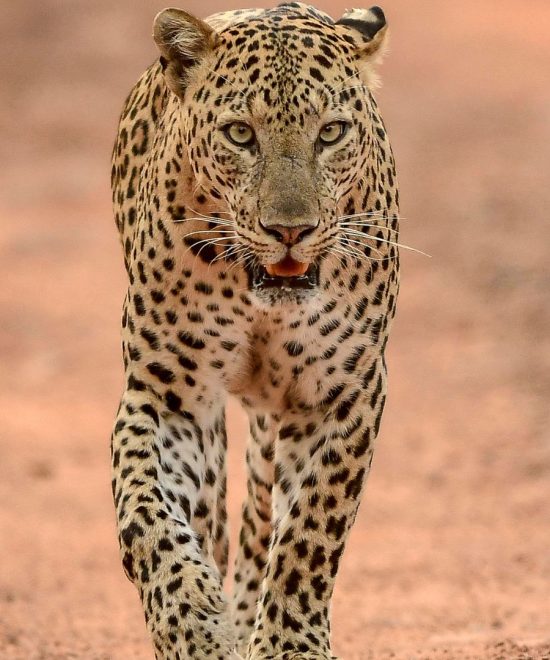
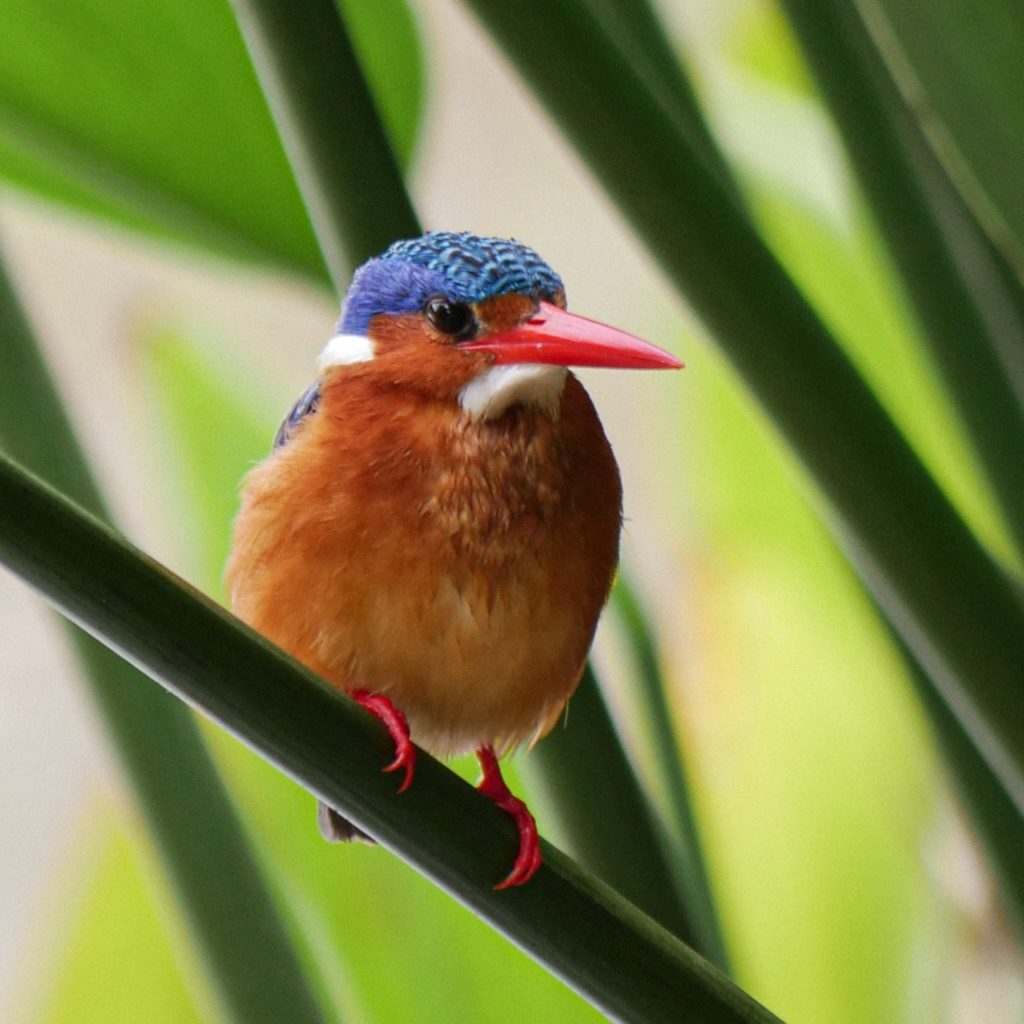
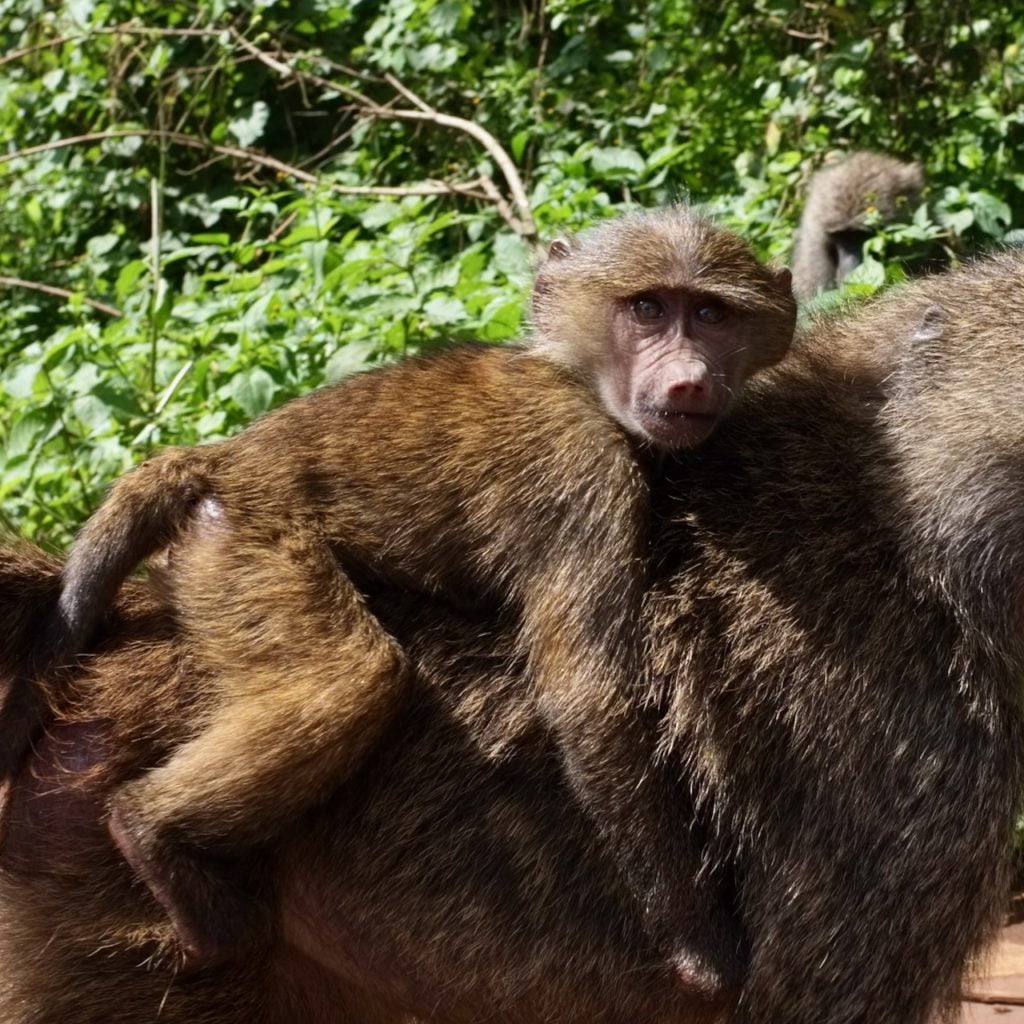
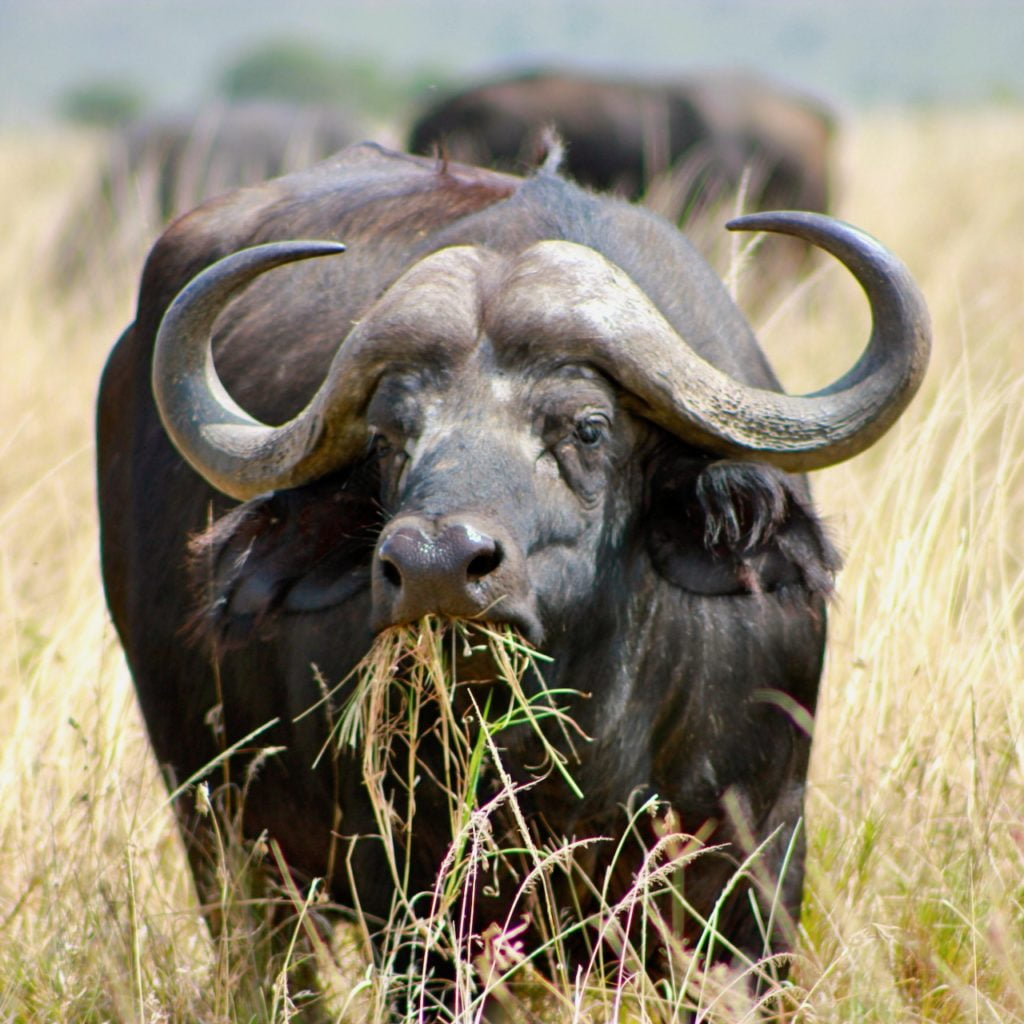
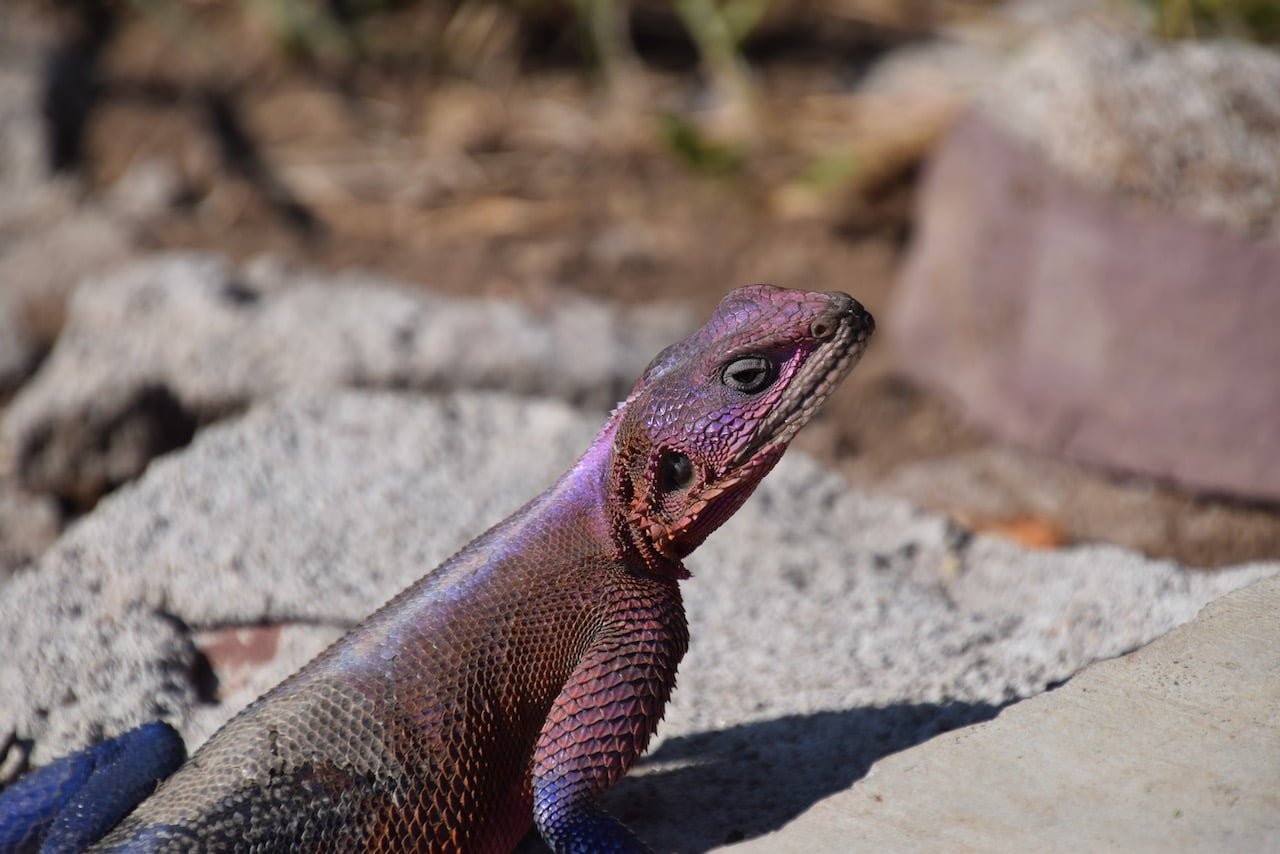
Tanzania is East Africa’s largest kingdom of wild animals. Rich wildlife moves through the heart of a vast nature reserve. Many wild animals such as the buffalo, the giraffe, the gazelle and even the elephant live together in huge, varied and easily accessible national parks. To make the most of your experience, it is advisable to adopt a comparative approach between the different viewing spots, which remain affordable and suitable for all budgets, while incorporating essential medical and logistical precautions in case of need. You will be able to take the photo of your dreams in wide-open spaces, as lions, hyenas and even leopards may cross your path. Do not forget to look out for cheetahs, antelopes, ostriches, jackals, as well as the monkeys that inhabit the forested areas. Reptiles and other rare species also reveal themselves in preserved environments, with a constant focus on tailoring your experience. Migratory birds also offer a fascinating spectacle for birdwatching enthusiasts.
Travelling in Tanzania with Off Road Tanzania
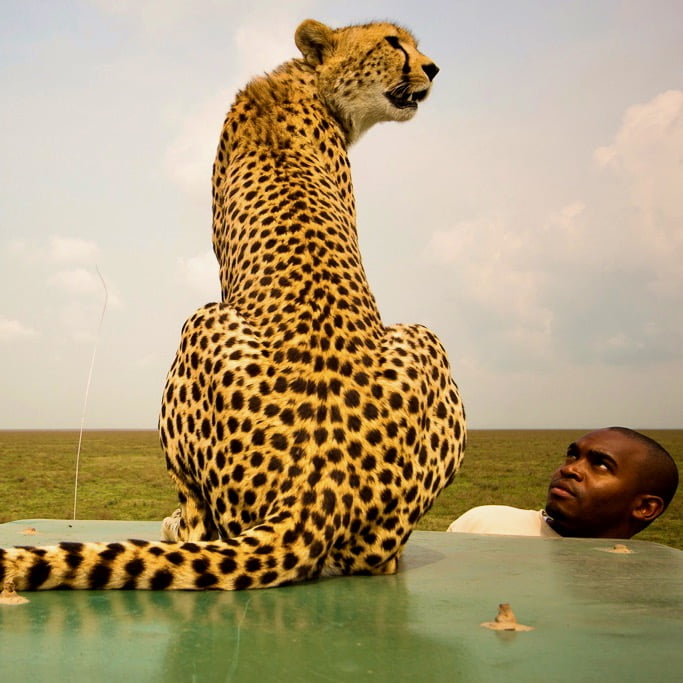
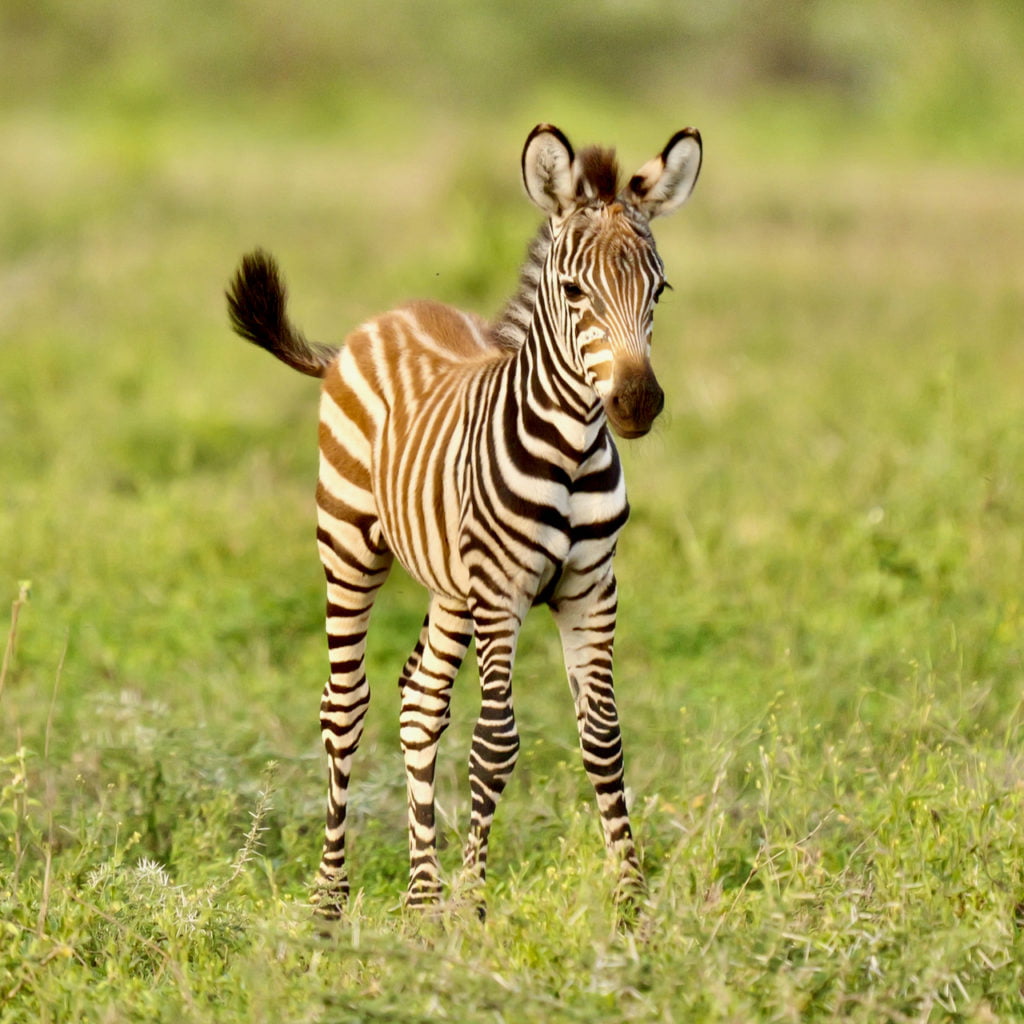
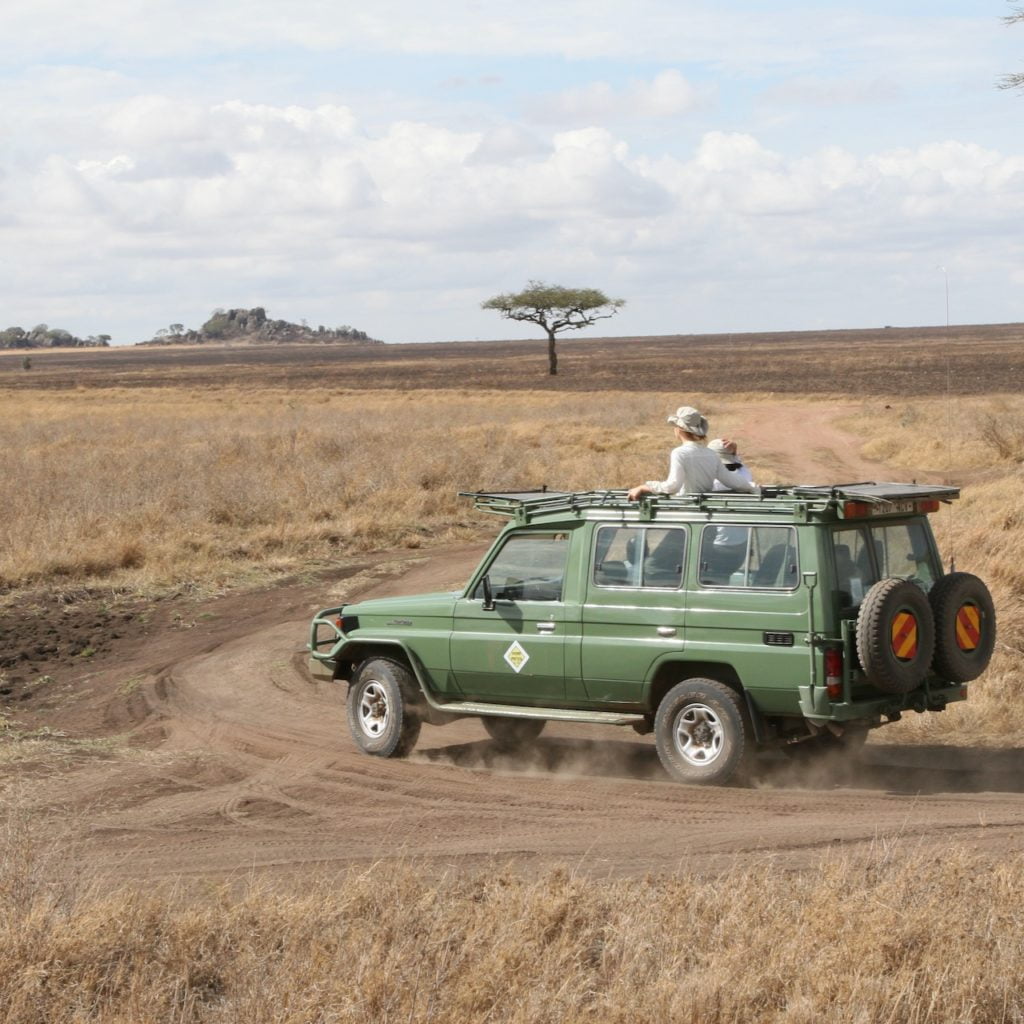
Travelling to Tanzania with Off Road Tanzania means travelling safely with a local agency. In addition, the agency is a specialist partner in the execution of private and organised expeditions, thereby guaranteeing internal support and full insurance follow-up. It means being advised by professionals who know the terrain. It means benefiting from the knowledge of local guides. It means fair prices for you and for the people involved in your trip. The comparative organisation and transparency of the terms and conditions, particularly with regard to taxes and government contributions, provide a financially advantageous framework with no extra cost. It means choosing an agency that helps local communities and actively participates in local life. It also means choosing lodges in the heart of nature that respect the environment. Find out more about Off Road Tanzania. We offer all-inclusive packages, with accommodation in eco-lodges, for an authentic experience that respects the environment.
Quand partir en Tanzanie ?
Contrary to popular belief, there is no single best time for a holiday in Tanzania. Every month has its advantages. Good advance planning makes it possible to maximise the intensity of the highlights, while respecting an organised, integrated structure in line with seasonal weather changes. For example: from September to December, you will be amazed by the number of elephants in Tarangire National Park. Likewise, the period from April to October will be more favourable for spotting wildebeest and zebras in the Serengeti.
Many travellers choose their travel dates according to the season and the climate. If that is what you intend to do, here is the information you will need. Good planning based on weather forecasts will allow you to make the most of your safari. Medical and logistical conditions, combined with a thorough assessment of climatic constraints, help to avoid any unforeseen variation and ensure continuous adaptation to the weather.
Saisons et climat en Tanzanie
- The climate is hot and humid on the coast, temperate inland. These conditions make it possible to organise express trips for optimum comfort while avoiding the tourist crowds.
- Temperatures range from 24°C to 27°C from June to September and from 30°C to 35°C from December to May. They can be cool at night. It is therefore advisable to plan for additional equipment and medical precautions to protect against extreme variations.
- The dry season runs from May to October and the rainy season from mid-March to early May. During the rainy season, the nights are cool, especially around Ngorongoro, where temperatures can be below 10°C. It is also important to plan logistics in advance during the rainy period in order to avoid a significant operational impact.
- There is a short rainy season from November to December. Rainy days are occasional. This period offers an ideal additional opportunity to observe wildlife in a quieter, more organised atmosphere.
There is no point pretending otherwise: the weather conditions remain rather pleasant all year round. So, if you have the option, choose your holiday dates according to the tourist influx instead. If, like us, your dream is to find yourself alone on the savannah, favour January, June or even September to November for your trip. In addition, our experts advise avoiding peak periods to make the most of your experience and enjoy a private moment in complete freedom. The low seasons offer a welcome sense of tranquillity, and prices are often more favourable there.
What is the price of a safari in Tanzania?
To help you plan ahead for your trip, Off Road Tanzania tells you a little more about the cost of living in Tanzania, the price of getting there and staying there. We therefore offer you a few pointers to help you set your travel budget for Tanzania. A detailed report, including even a comparative analysis of fees and additional costs, is provided to help you prepare your trip more effectively. Comparing the different options will help you choose the safari that suits your expectations and your budget.
The budget for a safari in Tanzania
Setting your budget for a safari in Tanzania is not necessarily obvious at first glance. It is essential to know the price of hotels, the activities to be undertaken and the cost of transport to get there and travel around. These elements, together with a rigorous economic analysis, make it possible to optimise your spending in depth for your stay. All these factors need to be taken into account when establishing your budget. Do not forget to include national park entrance fees, which are essential for the protection and preservation of ecosystems.
When setting your budget for Zanzibar or for a safari in Tanzania, be aware that although the country is fairly poor, it is not the cheapest country in the region. It is important to note that all planning takes into account not only the cost of living, but also aspects such as taxes and government fees to protect the environment. Prices can in fact sometimes be rather high, particularly in the national parks. However, these are definitely worth a visit, so exceptional are the wildlife and flora! The country’s aim is to preserve itself as much as possible from mass tourism. This complementary approach helps reduce environmental impact and guarantees travel conditions that optimise the richness of nature. One thing is certain: travelling to Zanzibar or Tanzania is a choice you will not regret! For group trips, preferential rates may be offered, making the African dream accessible to all.
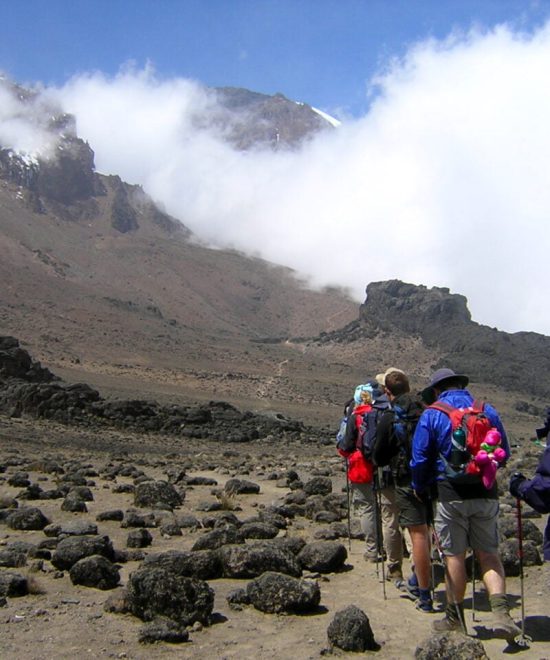
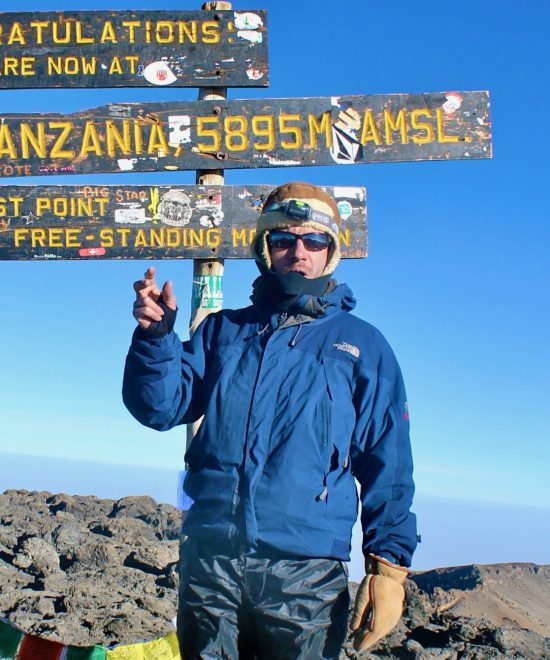
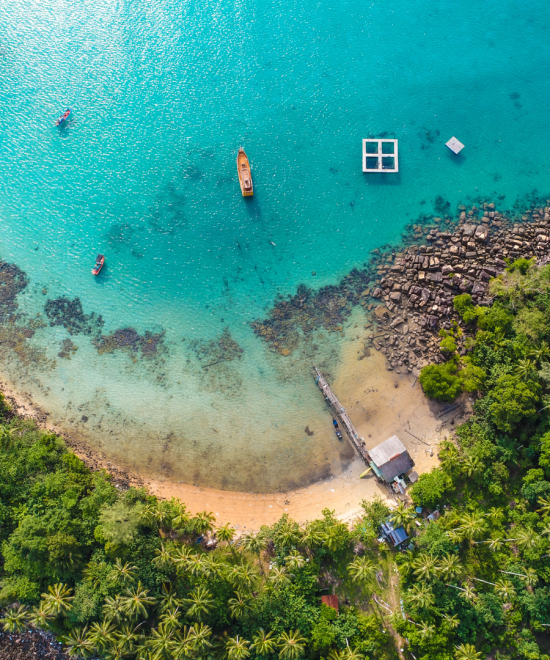
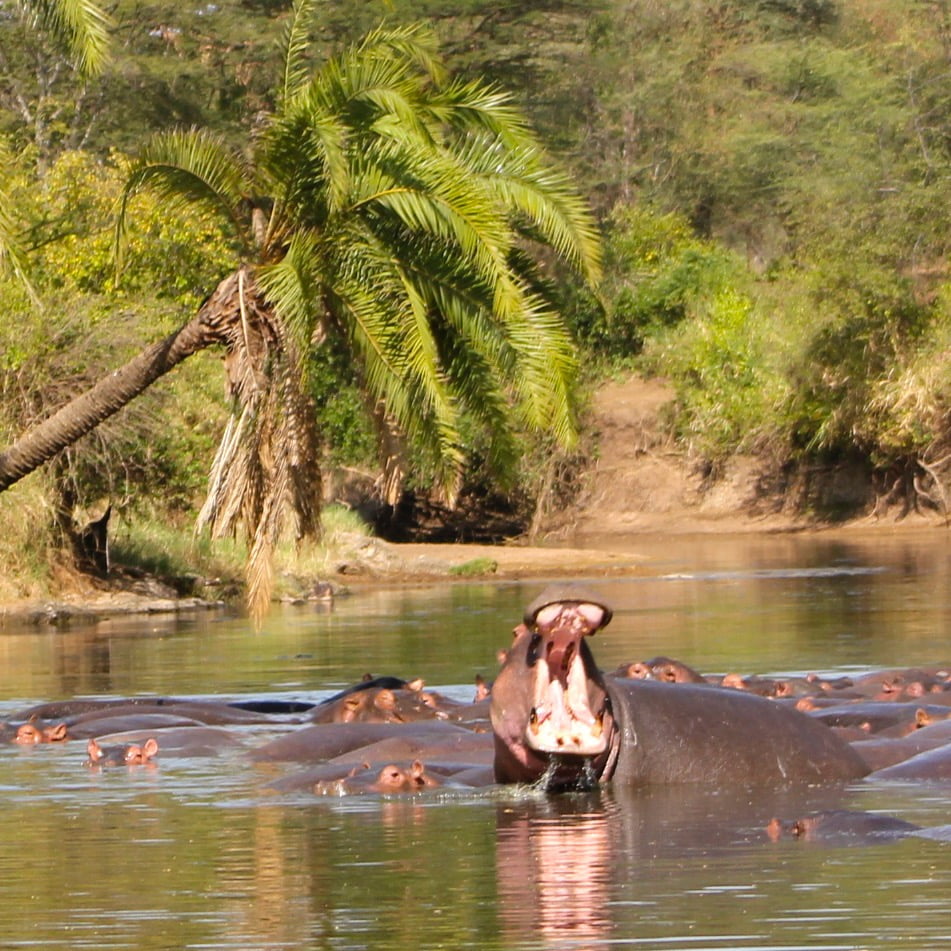
A safari in Tanzania is a unique adventure, rich in varied and thrilling experiences. One of the most iconic activities is, of course, observing African wildlife in its natural habitats. You will have the chance to admire the famous Big Five – lions, leopards, elephants, buffalo and rhinoceroses – in renowned national parks such as the Serengeti or the Ngorongoro Crater. A meticulously designed activity programme, including observation sessions under the guidance of an expert naturalist, ensures the discovery of the zoological behaviour of African wildlife in the finest detail. For walking enthusiasts, Tanzania also offers walking safaris, a total immersion allowing you to discover nature from a more intimate angle, combining tracking animal footprints with exploring wild landscapes. Trekking expeditions on foot or camping safaris offer immediate adaptation to local conditions, while guaranteeing a personalised adventure rich in discoveries. The region also offers enriching and extraordinary experiences such as meeting the Maasai people, true guardians of local tradition, or boat excursions on the surrounding lakes to observe flamingos or hippos. Several observation points have been set up to provide a clear, environmentally friendly view of these natural phenomena. Adventure enthusiasts can opt for a bivouac safari under the stars, where moments of communion with nature are accompanied by authentic comfort. Finally, why not combine the exploration of these majestic landscapes with a climb of Kilimanjaro or a few moments of relaxation on the paradise beaches of Zanzibar to round off these unforgettable days in style? You can also go diving to observe sharks, dolphins and a multitude of tropical fish. In this setting, each outing forms part of a customisation programme tailored to the preferences of the couple or the family group, with expert support guaranteeing the provision of a fully comprehensive service. Bird lovers will be delighted by the many species of birds, some of them migratory, that populate the Tanzanian skies. The country’s varied ecosystems are home to an incredible wealth of wildlife, from land mammals to marine creatures.
Tanzania safari travel budget: affordable everyday life
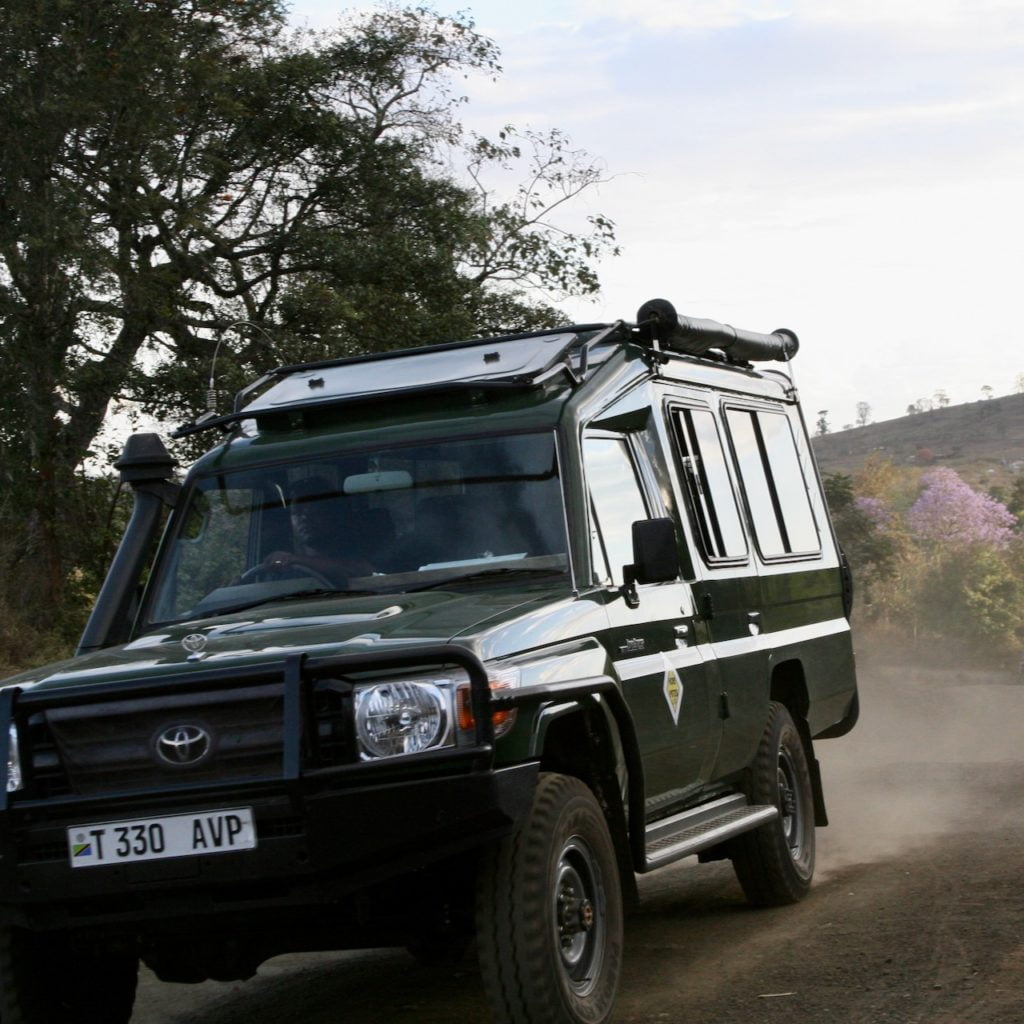
Apart from the main tourist activities (visiting national parks or climbing Kilimanjaro) at fairly substantial prices, the cost of living in Tanzania is relatively low. The local economy, combined with a structured organisation and low-cost transport options, makes it possible to travel very economically. When you set your travel budget for Tanzania, everyday life is not the biggest expense. In fact, everyone can travel according to their own personal budget! Transport, for example, is not really expensive. There are many ways to get around, for every budget. From an overcrowded minibus to a “luxury” bus, by plane or even by taxi for example – a short journey will cost between 1 and 3 euros depending on the distance – you have the choice! Our safari vehicles are equipped to offer you standard comfort with pop-up roofs for better wildlife viewing. This level of service, combined with optimised circuit logistics, provides a perfect period of adaptation to the challenges of the expedition.
As for food, there are plenty of street stalls that will let you eat local dishes at low prices. For €2, for example, you have many opportunities to enjoy yourself! However, in some cases, a small tip may be appreciated to reward quality service, thereby ensuring a respectful and favourable exchange. Of course, in the most touristy areas, there are also more luxurious restaurants, very popular with travellers and with prices more in line with European ones. Eco-lodges often offer all-inclusive packages, which can be advantageous compared with à la carte spending.
As for the accommodation portion of your budget for Zanzibar or Tanzania, the same applies as for food. It ranges from entry-level accommodation to the most luxurious lodges. You have the option of treating yourself by choosing superb accommodation by the water or opting for quieter areas at lower cost. This complementary approach allows you to benefit from a personalised offer without extra cost, while optimising your travel budget.
When setting your budget, you need to think carefully about all possible expense items. Cost of living, accommodation budget, excursion prices, the price of a safari in Tanzania, as well as the visa and the necessary administrative formalities that need to be anticipated! These ancillary elements, even encompassing certain internal costs and the management of bureaucratic admin, are handled with meticulous care that contributes to the overall optimisation of your experience. Overall, the cost of a trip to Tanzania is estimated at €1,765 per person for an average budget over one week, and €2,270 for a higher budget. One thing is certain: travelling to Zanzibar or Tanzania is a choice you will not regret! For group travel, preferential rates may be offered, making the African dream accessible to everyone.
What type of accommodation should you choose during a safari in Tanzania?
When it comes to choosing accommodation for a safari in Tanzania, several options are available to you, each offering a unique experience tailored to your expectations. If you are looking to combine comfort with immersion in the wild, lodges are an excellent option. Among these, some establishments integrated into the local environment offer an intimate atmosphere and a high-end service, while complying with strict ecological standards. Luxury camps will allow you to enjoy an authentic experience as close to the wildlife as possible while benefiting from high-end facilities such as spas or swimming pools. For adventurers in search of thrills, bivouacking in a tent offers a return to basics, where the beauty of the landscapes and the sounds of the animals become your only companions. Finally, if you truly want to go off the beaten track, choose a mobile camp, set up in the heart of the national parks, which will follow you wherever you go for an ever more personalised safari. Whatever your choice, Off Road Tanzania will be there to guide you and ensure you have an unforgettable experience, tailored to your wishes and your budget. Our personalised recommendations will help you find the ideal accommodation for your safari, whether it is a comfortable eco-lodge or a more rustic camp.
What vaccines and formalities are required before going on safari in Tanzania?
Before setting off on safari in Tanzania, it is essential to prepare your trip properly from a health and administrative point of view. As far as vaccinations are concerned, the vaccine against yellow fever is mandatory if you are arriving from an endemic country. Medical precautions and advice from a specialist health expert are recommended. Even if you are leaving directly from Europe, it is strongly recommended that your routine vaccinations are up to date, particularly those against diphtheria, tetanus and poliomyelitis (DTP). Depending on the length of your stay and the areas visited, other vaccinations may be recommended, such as those against typhoid, hepatitis A and B, as well as rabies. Preventive equipment, combined with integrated planning of the formalities, helps to reduce the need for care and ensure health security. Malaria prophylaxis is also strongly advised, especially if your trip includes coastal regions or wetter national parks. As for formalities, a tourist visa is required and can be obtained before departure or on arrival at the airport. A set of documents, accompanied by rigorous logistical follow-up, will make it easier to obtain this visa permit without any hassle. It is recommended to check the latest information with the Tanzanian embassy or your vaccination centre before you depart. The Off Road Tanzania team, specialised in travel to Tanzania, will be able to provide you with valuable advice and support you in this preparation. Good advance planning will ensure that you travel with complete peace of mind.
How long should you allow for a safari in Tanzania?
The ideal duration of a safari in Tanzania can vary depending on your wishes, your budget and the parks you want to discover. In general, it is recommended to allow at least one week to make the most of the diversity of the landscapes and protected areas, such as the famous Serengeti, the Ngorongoro Crater, or Tarangire National Park. If you are considering adding a beach extension in Zanzibar, it is advisable to extend your stay to 12 or 14 days for a more complete and balanced experience. To enjoy a safari at your own pace, without the feeling of rushing from one destination to the next, allowing 10 days is often a good compromise. This makes it possible to immerse yourself fully in the wild beauty of each place visited, to take time to observe the wildlife while enjoying relaxing moments in your lodges or in a bivouac. At Off Road Tanzania, we help you design a tailor-made itinerary, adapted to your wishes and your time constraints, to offer you an unforgettable safari, off the beaten track. Our personalised tours offer you the flexibility needed for an optimal experience.
Activities to do on a safari in Tanzania
A safari in Tanzania is a unique adventure, rich in varied and thrilling experiences. One of the most iconic activities is, of course, observing African wildlife in its natural habitats. You will have the chance to admire the famous Big Five – lions, leopards, elephants, buffalo and rhinoceroses – in renowned national parks such as the Serengeti or the Ngorongoro Crater. A meticulously designed activity programme, including observation sessions under the guidance of an expert naturalist, ensures the discovery of the zoological behaviour of African wildlife in the finest detail. For walking enthusiasts, Tanzania also offers walking safaris, a total immersion allowing you to discover nature from a more intimate angle, combining tracking animal footprints with exploring wild landscapes. Trekking expeditions on foot or camping safaris offer immediate adaptation to local conditions, while guaranteeing a personalised adventure rich in discoveries. The region also offers enriching and extraordinary experiences such as meeting the Maasai people, true guardians of local tradition, or boat excursions on the surrounding lakes to observe flamingos or hippos. Several observation points have been set up to provide a clear, environmentally friendly view of these natural phenomena. Adventure enthusiasts can opt for a bivouac safari under the stars, where moments of communion with nature are accompanied by authentic comfort. Finally, why not combine the exploration of these majestic landscapes with a climb of Kilimanjaro or a few moments of relaxation on the paradise beaches of Zanzibar to round off these unforgettable days in style? You can also go diving to observe sharks, dolphins and a multitude of tropical fish. In this setting, each outing forms part of a customisation programme tailored to the preferences of the couple or the family group, with expert support guaranteeing the provision of a fully comprehensive service. Bird lovers will be delighted by the many species of birds, some of them migratory, that populate the Tanzanian skies. The country’s varied ecosystems are home to an incredible wealth of wildlife, from land mammals to marine creatures.
Tanzania safari travel budget: affordable everyday life
Apart from the main tourist activities (visiting national parks or climbing Kilimanjaro) at fairly substantial prices, the cost of living in Tanzania is relatively low. The local economy, combined with a structured organisation and low-cost transport options, makes it possible to travel very economically. When you set your travel budget for Tanzania, everyday life is not the biggest expense. In fact, everyone can travel according to their own personal budget! Transport, for example, is not really expensive. There are many ways to get around, for every budget. From an overcrowded minibus to a “luxury” bus, by plane or even by taxi for example – a short journey will cost between 1 and 3 euros depending on the distance – you have the choice! Our safari vehicles are equipped to offer you standard comfort with pop-up roofs for better wildlife viewing. This level of service, combined with optimised circuit logistics, provides a perfect period of adaptation to the challenges of the expedition.
As for food, there are plenty of street stalls that will let you eat local dishes at low prices. For €2, for example, you have many opportunities to enjoy yourself! However, in some cases, a small tip may be appreciated to reward quality service, thereby ensuring a respectful and favourable exchange. Of course, in the most touristy areas, there are also more luxurious restaurants, very popular with travellers and with prices more in line with European ones. Eco-lodges often offer all-inclusive packages, which can be advantageous compared with à la carte spending.
As for the accommodation portion of your budget for Zanzibar or Tanzania, the same applies as for food. It ranges from entry-level accommodation to the most luxurious lodges. You have the option of treating yourself by choosing superb accommodation by the water or opting for quieter areas at lower cost. This complementary approach allows you to benefit from a personalised offer without extra cost, while optimising your travel budget.
When setting your budget, you need to think carefully about all possible expense items. Cost of living, accommodation budget, excursion prices, the price of a safari in Tanzania, as well as the visa and the necessary administrative formalities that need to be anticipated! These ancillary elements, even encompassing certain internal costs and the management of bureaucratic admin, are handled with meticulous care that contributes to the overall optimisation of your experience. Overall, the cost of a trip to Tanzania is estimated at €1,765 per person for an average budget over one week, and €2,270 for a higher budget. One thing is certain: travelling to Zanzibar or Tanzania is a choice you will not regret! For group travel, preferential rates may be offered, making the African dream accessible to everyone.
What type of accommodation should you choose during a safari in Tanzania?
When it comes to choosing accommodation for a safari in Tanzania, several options are available to you, each offering a unique experience tailored to your expectations. If you are looking to combine comfort with immersion in the wild, lodges are an excellent option. Among these, some establishments integrated into the local environment offer an intimate atmosphere and a high-end service, while complying with strict ecological standards. Luxury camps will allow you to enjoy an authentic experience as close to the wildlife as possible while benefiting from high-end facilities such as spas or swimming pools. For adventurers in search of thrills, bivouacking in a tent offers a return to basics, where the beauty of the landscapes and the sounds of the animals become your only companions. Finally, if you truly want to go off the beaten track, choose a mobile camp, set up in the heart of the national parks, which will follow you wherever you go for an ever more personalised safari. Whatever your choice, Off Road Tanzania will be there to guide you and ensure you have an unforgettable experience, tailored to your wishes and your budget. Our personalised recommendations will help you find the ideal accommodation for your safari, whether it is a comfortable eco-lodge or a more rustic camp.
What vaccines and formalities are required before going on safari in Tanzania?
Before setting off on safari in Tanzania, it is essential to prepare your trip properly from a health and administrative point of view. As far as vaccinations are concerned, the vaccine against yellow fever is mandatory if you are arriving from an endemic country. Medical precautions and advice from a specialist health expert are recommended. Even if you are leaving directly from Europe, it is strongly recommended that your routine vaccinations are up to date, particularly those against diphtheria, tetanus and poliomyelitis (DTP). Depending on the length of your stay and the areas visited, other vaccinations may be recommended, such as those against typhoid, hepatitis A and B, as well as rabies. Preventive equipment, combined with integrated planning of the formalities, helps to reduce the need for care and ensure health security. Malaria prophylaxis is also strongly advised, especially if your trip includes coastal regions or wetter national parks. As for formalities, a tourist visa is required and can be obtained before departure or on arrival at the airport. A set of documents, accompanied by rigorous logistical follow-up, will make it easier to obtain this visa permit without any hassle. It is recommended to check the latest information with the Tanzanian embassy or your vaccination centre before you depart. The Off Road Tanzania team, specialised in travel to Tanzania, will be able to provide you with valuable advice and support you in this preparation. Good advance planning will ensure that you travel with complete peace of mind.
How long should you allow for a safari in Tanzania?
The ideal duration of a safari in Tanzania can vary depending on your wishes, your budget and the parks you want to discover. In general, it is recommended to allow at least one week to make the most of the diversity of the landscapes and protected areas, such as the famous Serengeti, the Ngorongoro Crater, or Tarangire National Park. If you are considering adding a beach extension in Zanzibar, it is advisable to extend your stay to 12 or 14 days for a more complete and balanced experience. To enjoy a safari at your own pace, without the feeling of rushing from one destination to the next, allowing 10 days is often a good compromise. This makes it possible to immerse yourself fully in the wild beauty of each place visited, to take time to observe the wildlife while enjoying relaxing moments in your lodges or in a bivouac. At Off Road Tanzania, we help you design a tailor-made itinerary, adapted to your wishes and your time constraints, to offer you an unforgettable safari, off the beaten track. Our personalised tours offer you the flexibility needed for an optimal experience.
Activities to do on a safari in Tanzania
A safari in Tanzania is a unique adventure, rich in varied and thrilling experiences. One of the most iconic activities is, of course, observing African wildlife in its natural habitats. You will have the chance to admire the famous Big Five – lions, leopards, elephants, buffalo and rhinoceroses – in renowned national parks such as the Serengeti or the Ngorongoro Crater. A meticulously designed activity programme, including observation sessions under the guidance of an expert naturalist, ensures the discovery of the zoological behaviour of African wildlife in the finest detail. For walking enthusiasts, Tanzania also offers walking safaris, a total immersion allowing you to discover nature from a more intimate angle, combining tracking animal footprints with exploring wild landscapes. Trekking expeditions on foot or camping safaris offer immediate adaptation to local conditions, while guaranteeing a personalised adventure rich in discoveries. The region also offers enriching and extraordinary experiences such as meeting the Maasai people, true guardians of local tradition, or boat excursions on the surrounding lakes to observe flamingos or hippos. Several observation points have been set up to provide a clear, environmentally friendly view of these natural phenomena. Adventure enthusiasts can opt for a bivouac safari under the stars, where moments of communion with nature are accompanied by authentic comfort. Finally, why not combine the exploration of these majestic landscapes with a climb of Kilimanjaro or a few moments of relaxation on the paradise beaches of Zanzibar to round off these unforgettable days in style? You can also go diving to observe sharks, dolphins and a multitude of tropical fish. In this setting, each outing forms part of a customisation programme tailored to the preferences of the couple or the family group, with expert support guaranteeing the provision of a fully comprehensive service. Bird lovers will be delighted by the many species of birds, some of them migratory, that populate the Tanzanian skies. The country’s varied ecosystems are home to an incredible wealth of wildlife, from land mammals to marine creatures.