
Discovery of Tarangire National Park
Tarangire National Park is a delight for nature lovers. Calm and serenity reign at the heart of this protected reserve, which is home to a large population of elephants and many species of multicoloured birds. This essential national park in northern Tanzania is a safari destination not to be missed. Much less frequented than Serengeti National Park or the Ngorongoro Conservation Area, Tarangire National Park offers a more intimate encounter with Tanzanian wildlife. With its high concentration of animals, its river and its magnificent baobabs, Tarangire is a true sanctuary of biodiversity. Off Road Tanzania will organise the ideal itinerary for you to discover all aspects of the fauna and flora that have made Tarangire National Park famous.
@Photo credit: Thierry PARENTI
The iconic animals of Tarangire
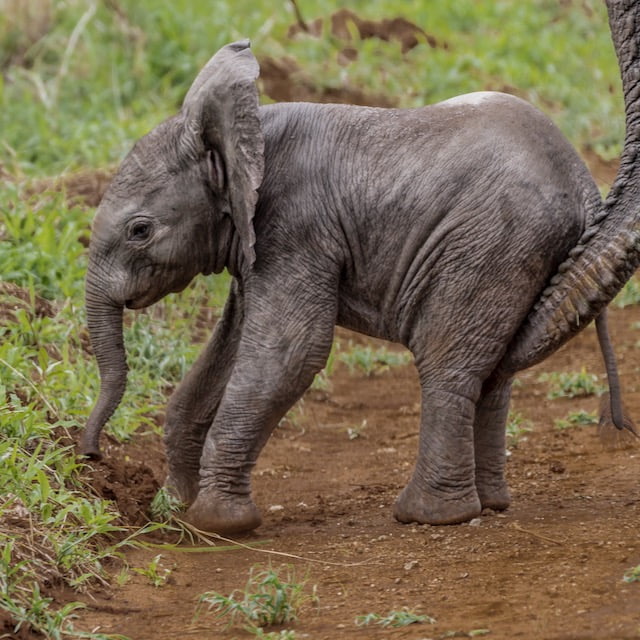
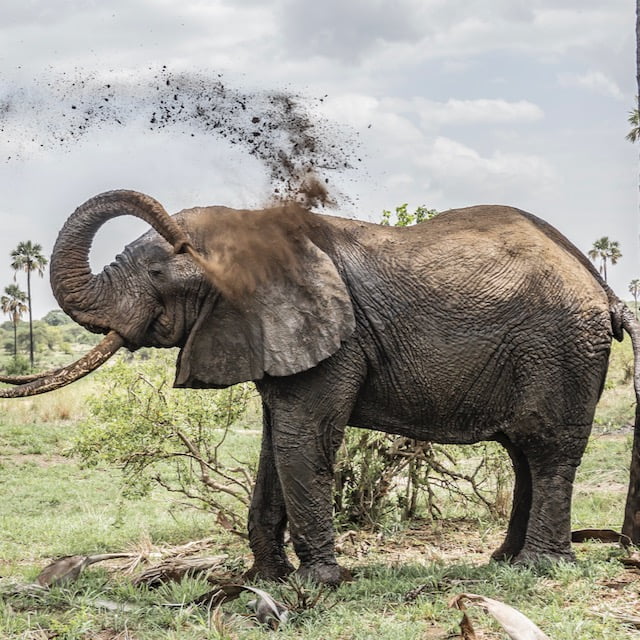
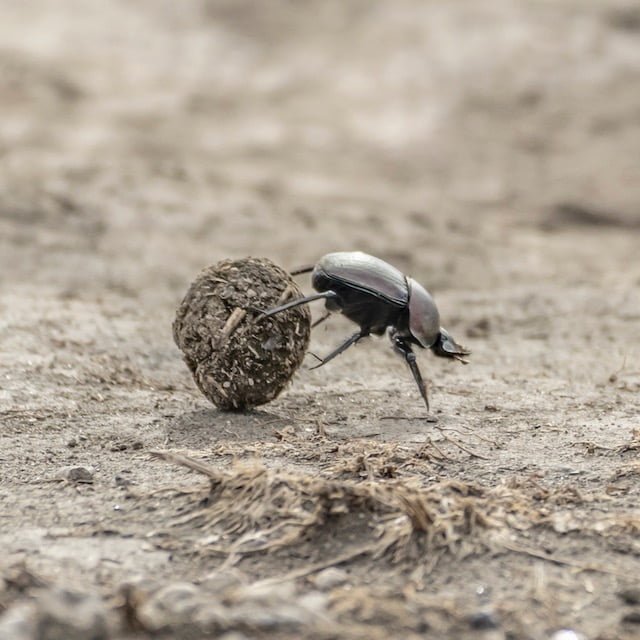
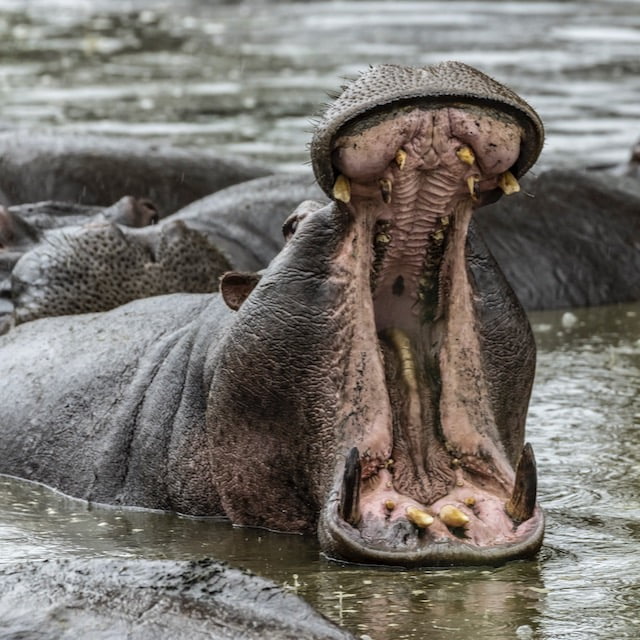
This wildlife sanctuary has a high concentration of elephants on a Tanzania-wide scale. It is the ideal place to observe these majestic pachyderms. The national park is known for its large population of African elephants, but it also shelters 95 species of mammals and 550 species of birds. A richly diverse ecosystem, made possible by the presence of the Tarangire River, which runs through the park and provides favourable living conditions for the local wildlife.
Here is the list of mammals that you may have the opportunity to observe during a safari in Tanzania in Tarangire National Park:
- elephants
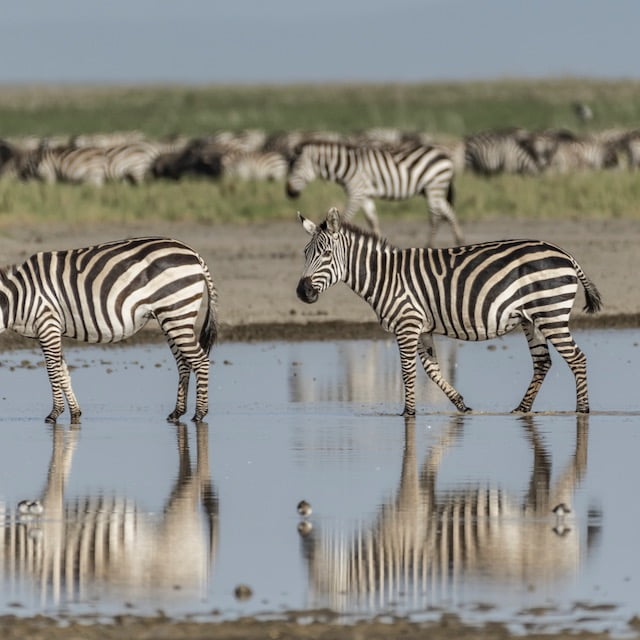
- zebras
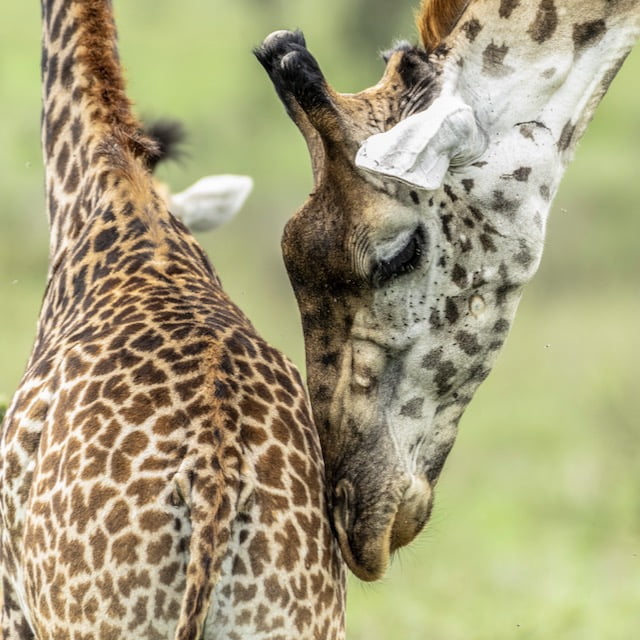
- girafes
- gazelles
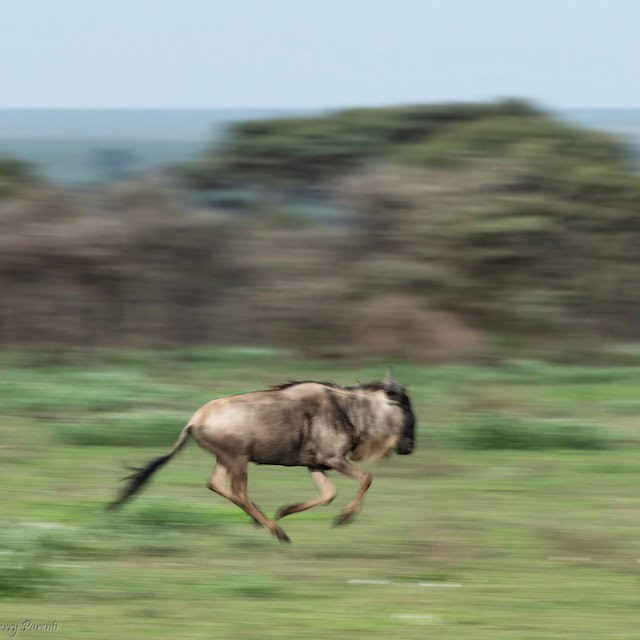
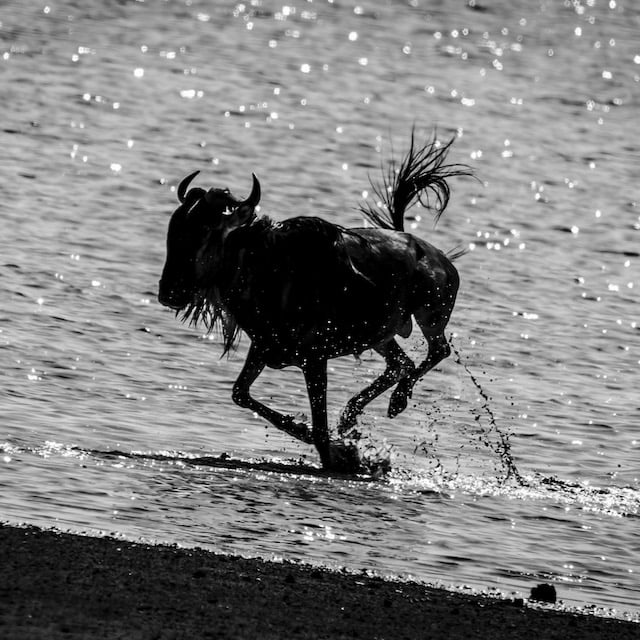
- gnous
- impalas
- hippopotames
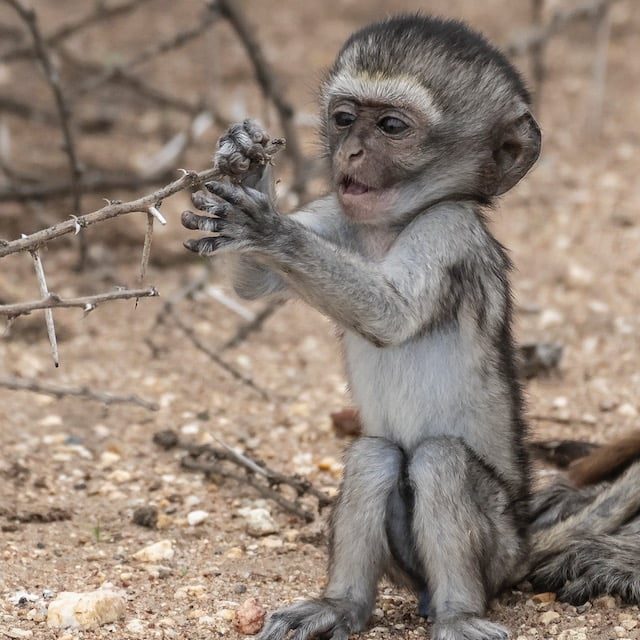
- singes vervet
- babouins
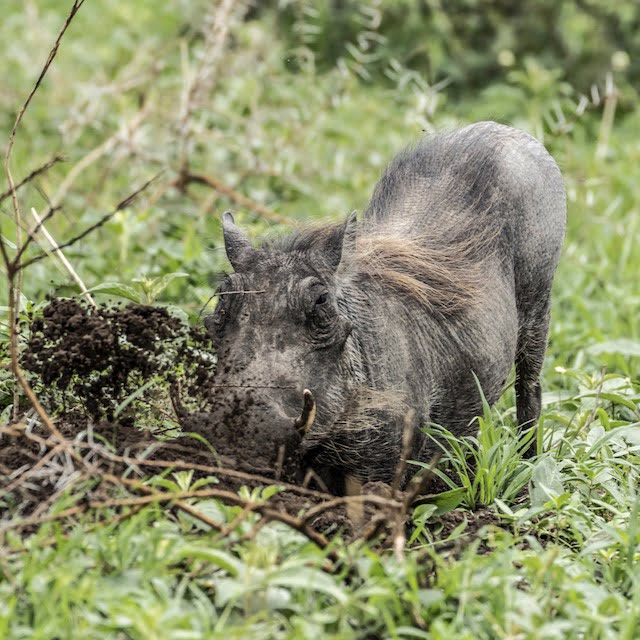
- warthogs
- mangoustes
- dik-dik
- waterbucks
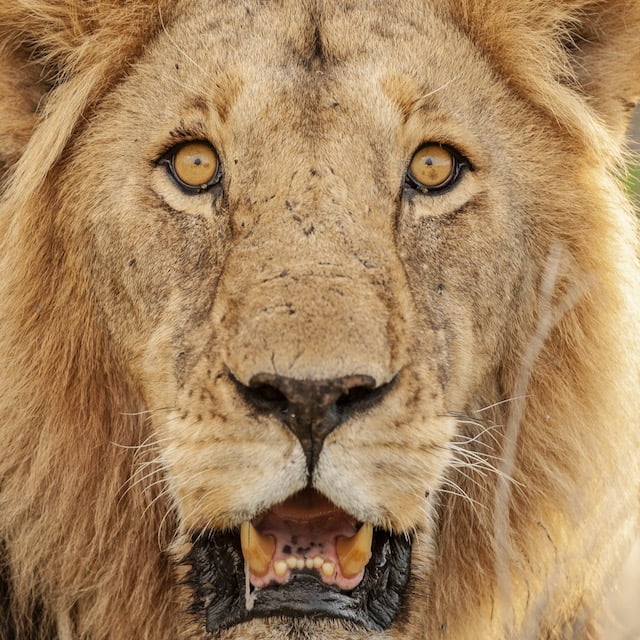
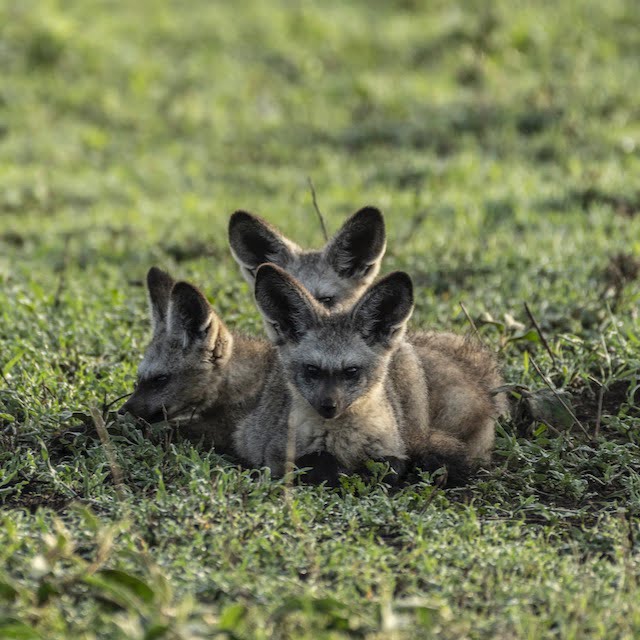
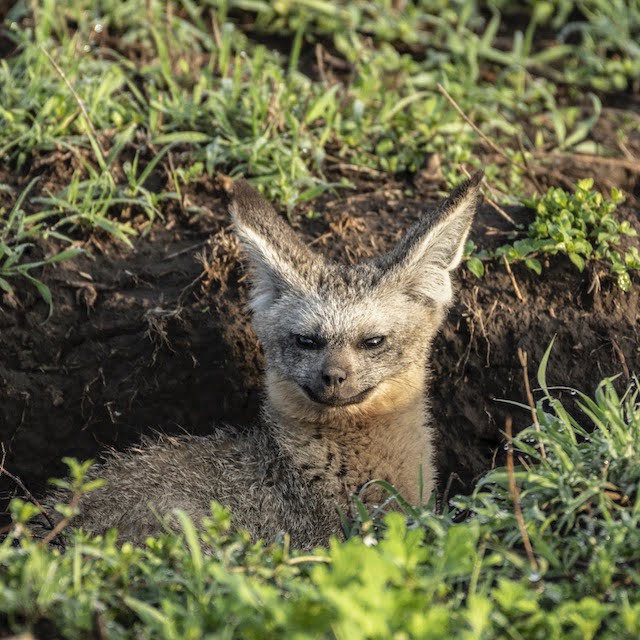
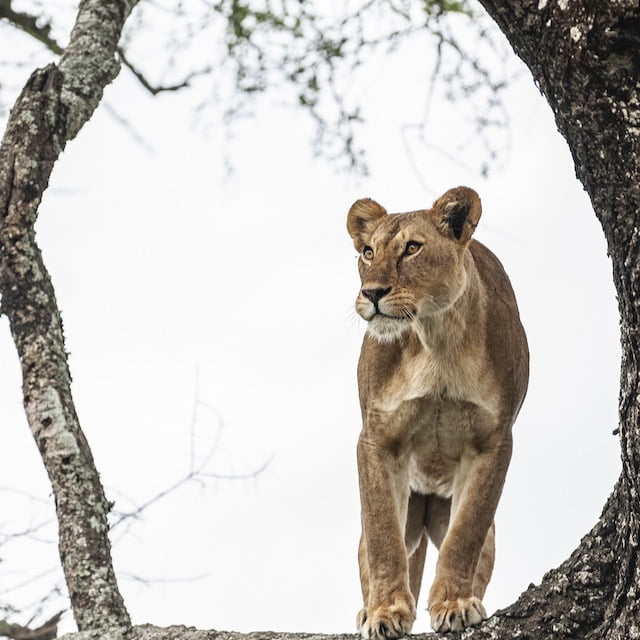
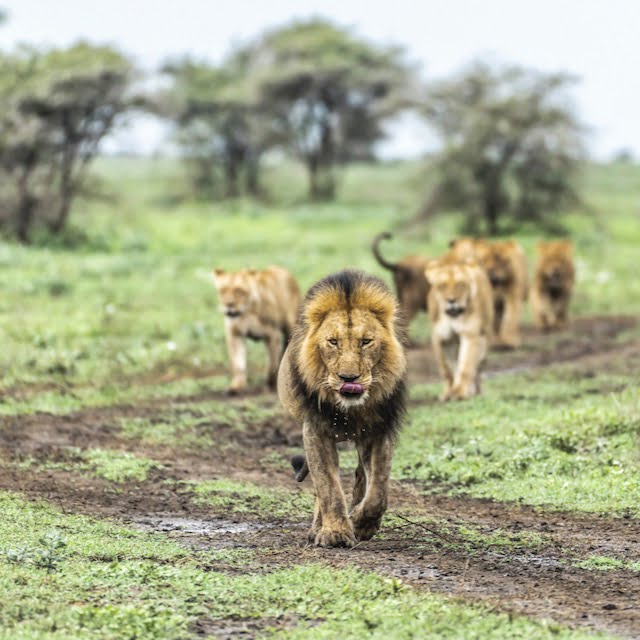
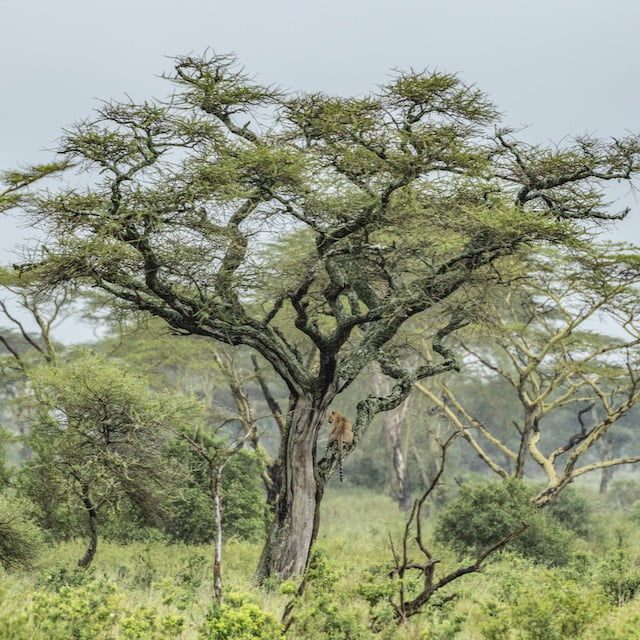
Among the predators, the lion reigns supreme over the lands of Tarangire. A few leopards, hyenas and cheetahs, which are rarer, have also made their home here.
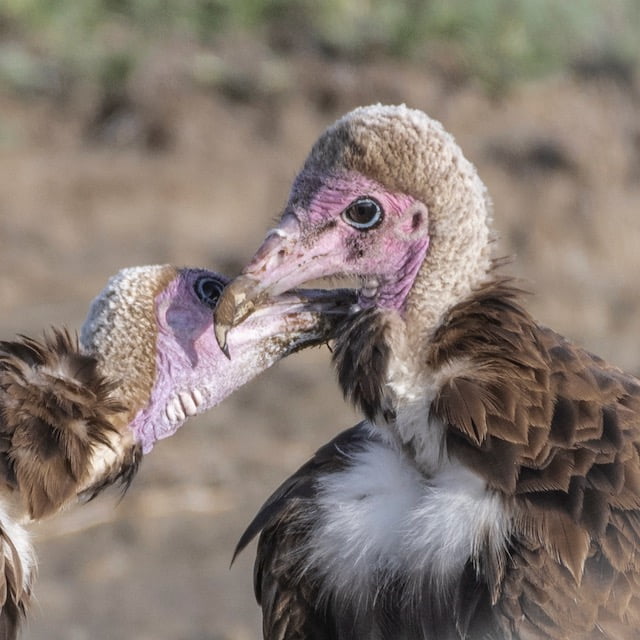
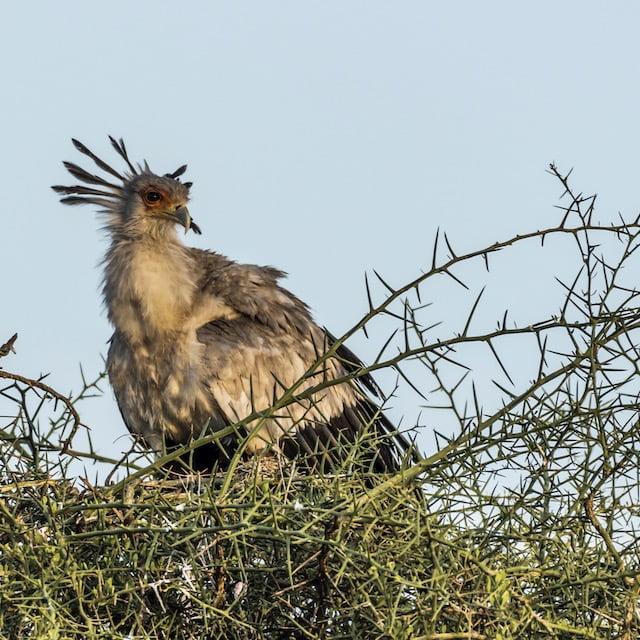
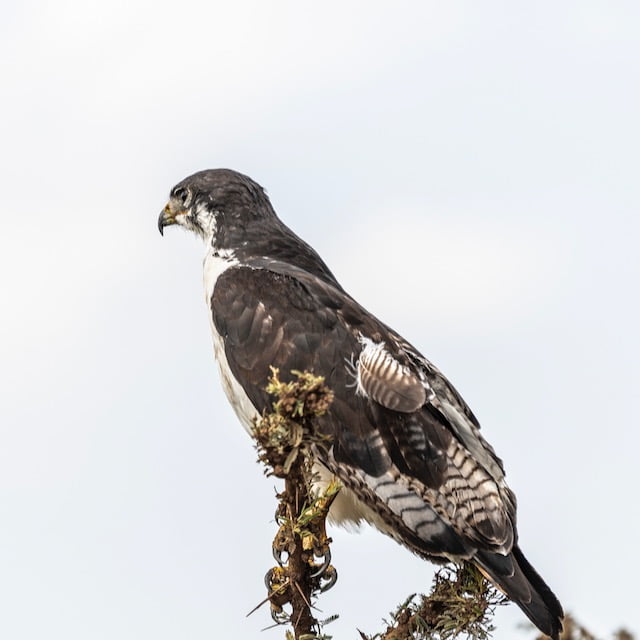
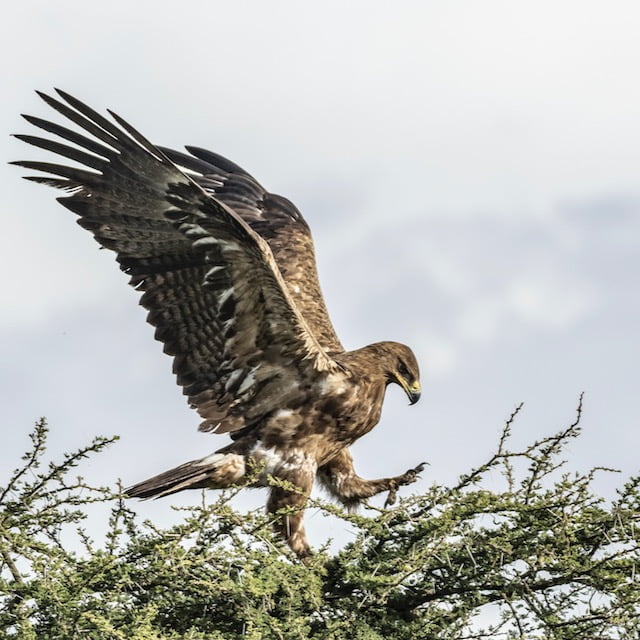
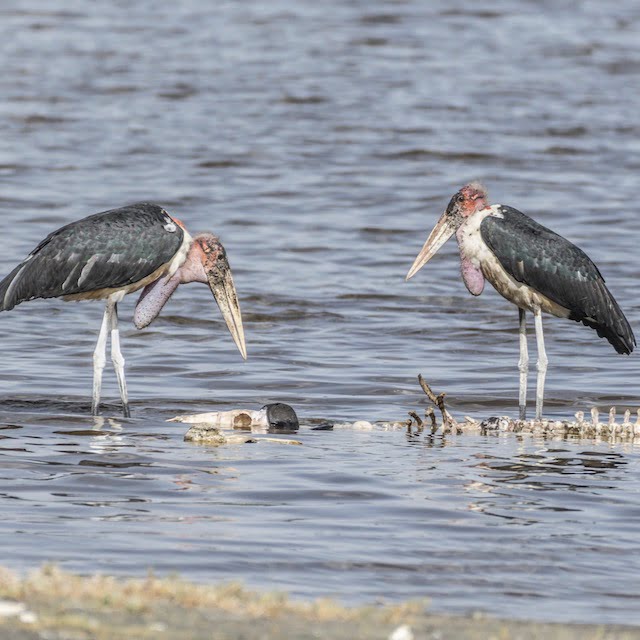
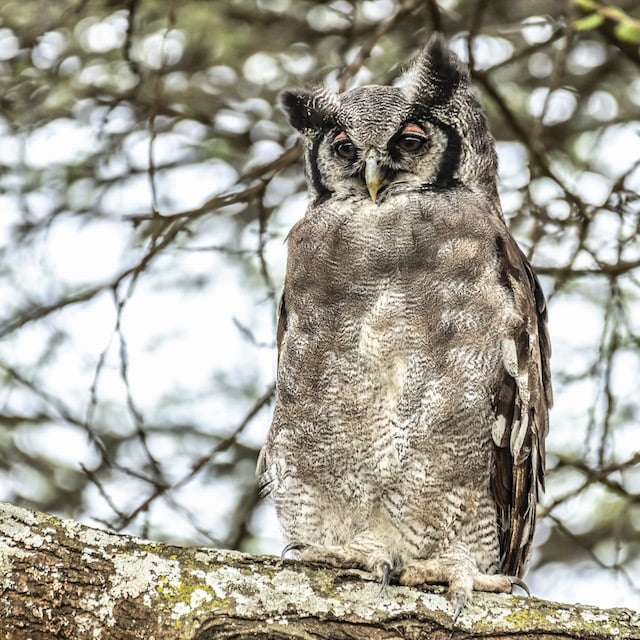
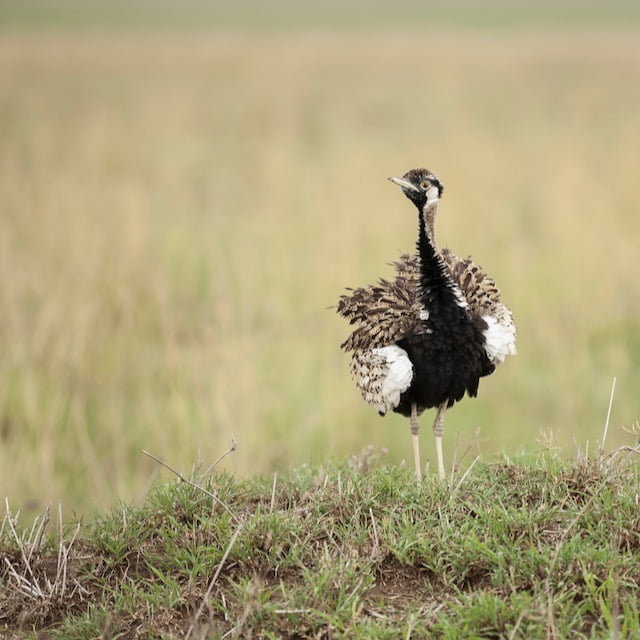
Among the bird species most commonly found in Tarangire National Park are the kingfisher, the African ostrich, the yellow-collared lovebird, the lilac-breasted roller and many others.
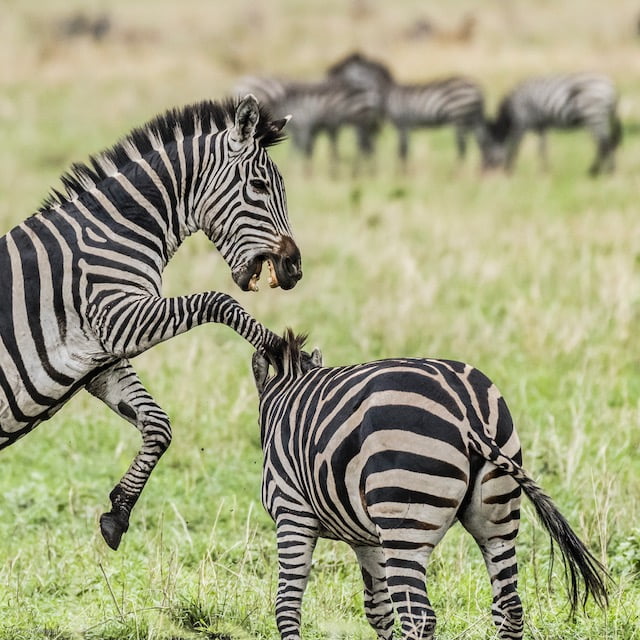
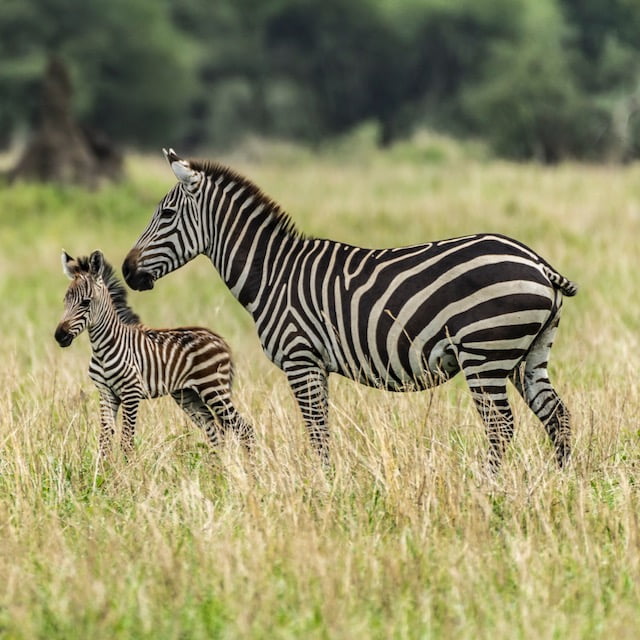
@Photo credit: Thierry PARENTI
The spectacular landscapes of Tarangire
The landscapes of Tarangire National Park are recognisable and completely different from those you can discover in the neighbouring parks. The many baobabs, among the tallest in Africa, which dominate the north of the park create a sublime setting. The south of Tarangire, on the other hand, is defined by an acacia-dotted wooded savannah punctuated by seasonal marshes, a characteristic environment of northern Tanzania. This dense, lush vegetation, largely made up of baobabs and acacias, is what makes the landscapes of Tarangire National Park so beautiful and distinctive.
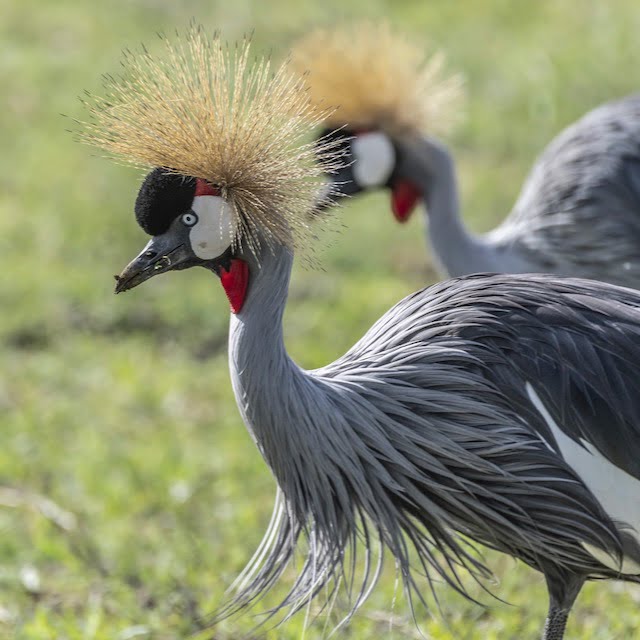
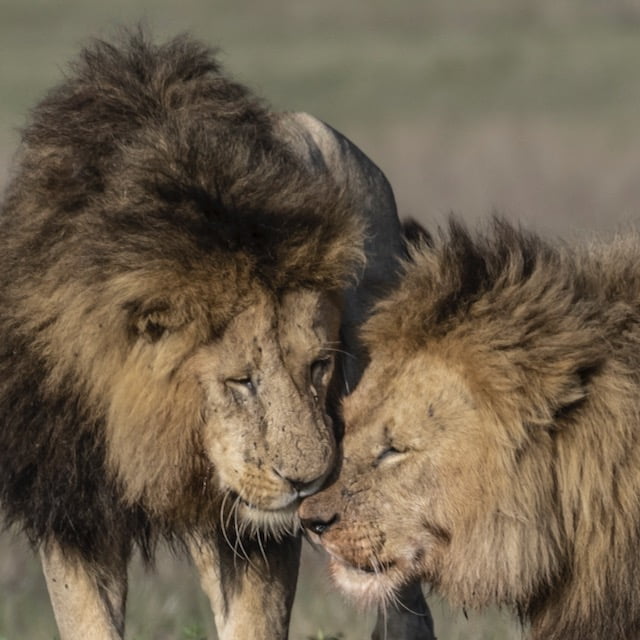
@Photo credit: Thierry PARENTI
Activities and excursions in Tarangire National Park
The lush vegetation and rich wildlife of Tarangire National Park make it a true paradise for nature lovers. This protected reserve, home to a diverse range of wildlife and peaceful landscapes of great beauty, offers ideal safari conditions. Here are the different experiences available to you on a safari circuit in the heart of Tarangire National Park:
- Safari in a 4×4 also called a game drive
- Walking safari
- Safari nocturne
- Visit to a Maasai village
- Bird watching
- Hot air balloon safari
@Photo credit: Thierry PARENTI
The history and culture of the Maasai people around Tarangire:
A safari in Tanzania in Tarangire National Park is an opportunity to meet an iconic African people: the Maasai tribe! Native to Kenya and Tanzania, the Maasai are renowned for their traditional way of life, their colourful appearance, their customs and their craftsmanship. These semi-nomadic herder and warrior peoples live on the edge of the great national parks of northern Tanzania. The village of Naberera, situated on the road leading to Tarangire National Park, will allow you to meet the Maasai during your safari tour. A visit to a Maasai village promises an authentic encounter with this iconic African tribe. Set off to discover a way of life, ancestral traditions, customs and a characteristic social organisation. Off Road Tanzania takes you to meet a colourful people during your safari in Tarangire National Park.
@Photo credit: Thierry PARENTI
The best times to visit Tarangire National Park:
There are two rainy seasons in Tanzania. The first runs from March to May and the second from November to December. During this time of year, wildlife viewing in Tarangire National Park is compromised. Many species leave the reserve’s plains because of flooding caused by the river that flows through the park. Elephants, faithful residents of Tarangire, are always present, but harder to see, hidden by the tall grass. The best time to go on safari in Tarangire National Park is the dry season between June and October. The animals gather around the Tarangire River, the park’s only major water source available at this time. The short grass creates ideal conditions for an authentic encounter with wildlife.
Here are some highlights outside the dry season:
- Calving season between December and March
- Observation of migratory birds during the rainy season
- Lush landscapes to discover between December and May
@Photo credit: Thierry PARENTI
How to prepare your safari in Tarangire with Off Road Tanzania
Where to stay in Tarangire National Park?
There are many accommodation options in Tarangire, and you can choose to stay inside the park or nearby. Tented camps are the most iconic accommodation option for safaris in Tanzania. These exclusive semi-rigid canvas tents offer all the comfort of a high-end hotel while enjoying an exceptional location in the heart of the African savannah. For those on a budget, the camps located on the edge of Tarangire National Park make it possible to enjoy this incredible setting at a lower cost. Whether they are inside the park or on the outskirts, lodges and tented camps are often visited by animals. Fancy an unusual experience? Tarangire Treetops, built high in magnificent baobab trees, offers a unique panorama over the savannah and its wildlife.
Here are a few lodge ideas for your stay in Tarangire National Park:
- Tarangire Simba Lodge
- Tarangire Baobab Tente Camp
- Ang’ata Tarangire Camp
- Maweninga Camp
- Ormatai Rocks
- Tarangire River Camp
- Oliver’s Camp
@Photo credits: Thierry PARENTI
Comment se rendre au parc national de Tarangire ?
Located in northern Tanzania, south of Lake Manyara and the Ngorongoro Crater, Tarangire National Park enjoys a privileged location. It is easily accessible by car from any of the key destinations in the north of the country.
- 2 hours’ drive from Arusha
- 1h drive from Lake Manyara
- 2 hours by road from the Ngorongoro conservation area
- 4 hours’ drive from Serengeti National Park
@Photo credit: Thierry PARENTI
Combien de temps rester au parc national de Tarangire ?
The ideal length of stay in Tarangire National Park is 2 days. One day dedicated to exploring the north of the park and one day devoted to discovering the south of the reserve. If you wish to discover all the facets of Tarangire National Park, a third day of visiting will allow you to follow the animals’ movements around the marshes.
Tariffs and regulations of Tarangire National Park
Tarangire National Park entrance fees
Tarangire National Park fees are set according to the age and nationality of travellers. VAT of 18% must be added to the following rates.
For foreign nationals, per day and per person:
45 USD for those over 16 years old
15 USD between 5 and 15 years old
Free for children under 5 years old
If you go on safari with Off Road Tanzania, the park entry fees are included in the price of your trip.
Tarangire: regulations
As in all the parks of Tanzania, the regulations are strict on a safari:
- Off-road driving is prohibited
- It is forbidden to leave the vehicle except in authorised places
- No litter should be left in the park
- Smoking is prohibited
- You must not feed the animals
- Use of drones is prohibited except by special exemption
The conservation challenges of Tarangire National Park
A true refuge for Tanzanian wildlife, created in 1957, Tarangire became a national park in 1970. This 2,600m² wildlife sanctuary, crossed by the Tarangire River, is a major centre for protection and conservation in Tanzania, on a par with the country’s other 14 national parks. The mission of this protected area is to ensure the conservation of Tanzania’s natural heritage while developing sustainable tourism (or ecotourism). Safaris take place in respect of the fauna and flora, in the heart of a preserved environment free of barriers to allow the animals’ migratory movements. Hunting is forbidden within Tarangire National Park to prevent any form of poaching, and local populations, particularly the Maasai tribes, must live outside the reserve.
The creation of this protected area in the north of the country has made it possible to protect a large population of elephants threatened by poaching. The protection of endangered species is a major issue for Tarangire National Park. Rich and varied, the flora is also the focus of awareness-raising initiatives. The aim is to protect the unique ecosystem that has made this magnificent reserve so renowned.
@Photo credit: Thierry PARENTI
The partners and local guides of Off Road Tanzania in Tarangire
Off Road Tanzania organises your safari in Tarangire National Park with an experienced local guide who will share all their knowledge of Tanzanian wildlife and flora with you. Professional, passionate and experienced, our local guides ensure you receive a high-quality service throughout your stay in Tanzania. Thanks to their perfect knowledge of the area and local wildlife, our guides will take you as close as possible to the animals for a unique safari experience in complete safety. Raising travellers’ awareness of the need to preserve the iconic species of the Tanzanian savannah is also part of the guides’ work. With Off Road Tanzania, you benefit from a high-quality personalised service and an authentic safari experience.
@Photo credit: Thierry PARENTI
Traveller testimonials and feedback from Off Road Tanzania travellers in Tarangire
Looking to experience a safari adventure with total immersion in the heart of Tarangire National Park? Discover the reviews and stories of our customers! Our trips to Tanzania are synonymous with a change of scenery, sharing and memorable encounters.
Pourquoi se rendre au parc national du Tarangire ???
Safari au Tarangire
A safari in Tarangire is an unforgettable experience in a little-visited park where calm and serenity reign. It is a true paradise for bird lovers and also for elephants! It is a must-see among the northern Tanzania parks and an excellent choice for short safaris and safaris with children.
The animals of Tarangire
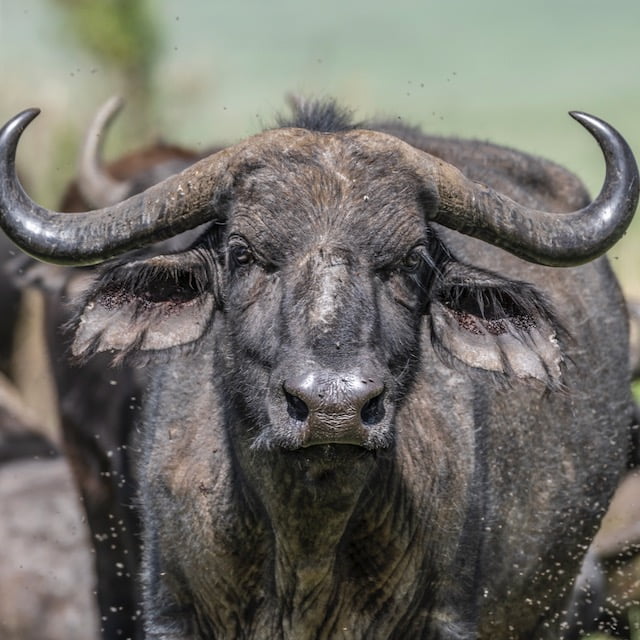
Tarangire National Park is home to many animals: giraffes, buffalo, elands, impalas, chimpanzees, warthogs, lions, leopards and, above all, a high concentration of elephants. In the dry season, it is possible to spot oryx and gerenuk, species more commonly found in Southern Africa.
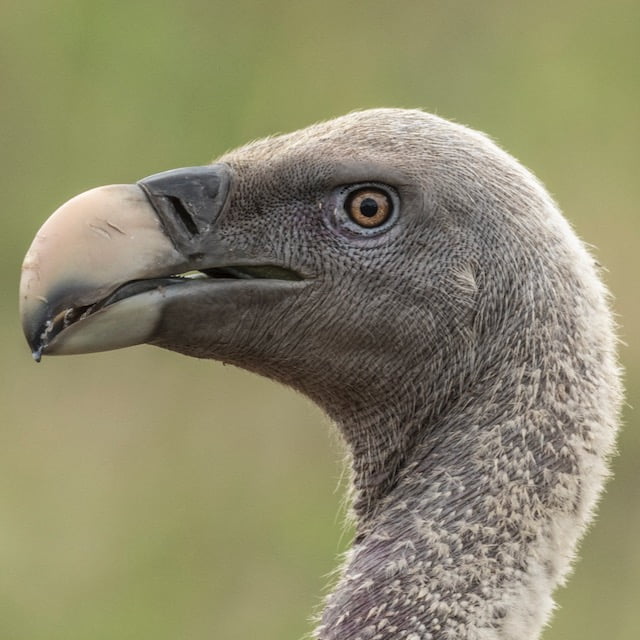
In the park, there are around 95 species of mammals and 550 species of birds, more than in the Serengeti ! Parrots, parakeets, hornbills, weavers, bee-eaters, bateleurs and even vultures.
The Tarangire River and Lake Barunge are the park’s main sources of water. They are also strategic points for observing the wildlife.
The flora of Tarangire
Tarangire National Park has very distinctive landscapes, different from those of the neighbouring parks. Indeed, there are many baobabs in the north of the park. To the south, the park is more characteristic of northern Tanzania with its acacia woodland savannah and marshes.
Journey in Tarangire National Park
As you will have understood, travelling to Tarangire National Park means landing in a spot with lush vegetation that delights nature lovers. Observing diverse wildlife in a vast expanse of calm and peaceful landscapes.
- Game drive : safari en 4×4
- Walking safaris
- Safaris nocturnes
- In the south of the park near the Kimotoro ranger post, you can visit a Maasai boma (village). Discover the homes and traditions of the Maasai people.
When to go on safari in Tarangire?
The rainy seasons are between November and December and from March to May. During this period, some animals leave Tarangire because the river floods the plain and the grass becomes too tall for the small herbivores. Elephants remain, nevertheless, and a few predators can still be found there, but they are harder to see behind the tall grass.
The best time to visit this park is between June and November, during the dry season. The Tarangire River becomes the region’s only major water source, and animals gather there in large numbers to drink. The grass is short, water is available, and there is plenty of shade. Everything is in place to see as many animals as possible.
The rest of the year also has certain attractions:
- Between December and March, many births can be observed in the park.
- Migratory birds are very much present during the rainy season
- The vegetation is lush between December and May.
Comment se rendre au Tarangire ?
Drive time to Tarangire National Park
Tarangire National Park is a 2-hour drive from Arusha and 1 hour from Lake Manyara National Park. It can also be reached after a safari in the Ngorongoro Conservation Area (2-hour drive) or from the Serengeti (around a 4-hour drive).
Where to sleep in Tarangire?
Some lodges or camps are located directly in Tarangire National Park. It is therefore possible to sleep inside the park or nearby.
There are tented camps made up of private rooms. Some are very luxurious and offer bar/restaurants and a swimming pool.
There are also permanent lodges, often unusual, such as Tarangire Treetops, built in the baobab trees.
Tariffs and regulations of Tarangire National Park?
Entrance fee: Tarangire National Park
Tarangire National Park fees are based on the travellers’ age and nationality. An 18% VAT must be added to the following fees.
For foreigners, per day and per person:
- Over 16 years: 45 USD
- Between 5 and 15 years: 15 USD
- Moins de 5 ans : gratuit
If you are going on safari with Off Road Tanzania, the park entrance fees are included in the price of your trip.
Tarangire: regulations
As in all parks in Tanzania, on safari the regulations are strict:
- conduite Off Road Tanzania interdite
- forbidden to leave the vehicle except in authorised places
- do not leave any litter in the park
- ne fumez pas
- do not feed the animals
- drone use is prohibited except with authorisation.
Excursions and activities to do in Tarangire
- Game drive : safari en 4×4
- Walking safaris
- Safaris nocturnes
- In the south of the park near the Kimotoro ranger post, you can visit a Maasai boma (village). Discover the homes and traditions of the Maasai people.
When to go on safari in Tarangire?
The rainy seasons are between November and December and from March to May. During this period, some animals leave Tarangire because the river floods the plain and the grass becomes too tall for the small herbivores. Elephants remain, nevertheless, and a few predators can still be found there, but they are harder to see behind the tall grass.
The best time to visit this park is between June and November, during the dry season. The Tarangire River becomes the region’s only major water source, and animals gather there in large numbers to drink. The grass is short, water is available, and there is plenty of shade. Everything is in place to see as many animals as possible.
The rest of the year also has certain attractions:
- Between December and March, many births can be observed in the park.
- Migratory birds are very much present during the rainy season
- The vegetation is lush between December and May.
Comment se rendre au Tarangire ?
Drive time to Tarangire National Park
Tarangire National Park is a 2-hour drive from Arusha and 1 hour from Lake Manyara National Park. It can also be reached after a safari in the Ngorongoro Conservation Area (2-hour drive) or from the Serengeti (around a 4-hour drive).
Where to sleep in Tarangire?
Some lodges or camps are located directly in Tarangire National Park. It is therefore possible to sleep inside the park or nearby.
There are tented camps made up of private rooms. Some are very luxurious and offer bar/restaurants and a swimming pool.
There are also permanent lodges, often unusual, such as Tarangire Treetops, built in the baobab trees.
Tariffs and regulations of Tarangire National Park?
Entrance fee: Tarangire National Park
Tarangire National Park fees are based on the travellers’ age and nationality. An 18% VAT must be added to the following fees.
For foreigners, per day and per person:
- Over 16 years: 45 USD
- Between 5 and 15 years: 15 USD
- Moins de 5 ans : gratuit
If you are going on safari with Off Road Tanzania, the park entrance fees are included in the price of your trip.
Tarangire: regulations
As in all parks in Tanzania, on safari the regulations are strict:
- conduite Off Road Tanzania interdite
- forbidden to leave the vehicle except in authorised places
- do not leave any litter in the park
- ne fumez pas
- do not feed the animals
- drone use is prohibited except with authorisation.
Excursions and activities to do in Tarangire
- Game drive : safari en 4×4
- Walking safaris
- Safaris nocturnes
- In the south of the park near the Kimotoro ranger post, you can visit a Maasai boma (village). Discover the homes and traditions of the Maasai people.