
What to do in Unguja?
Stone Town
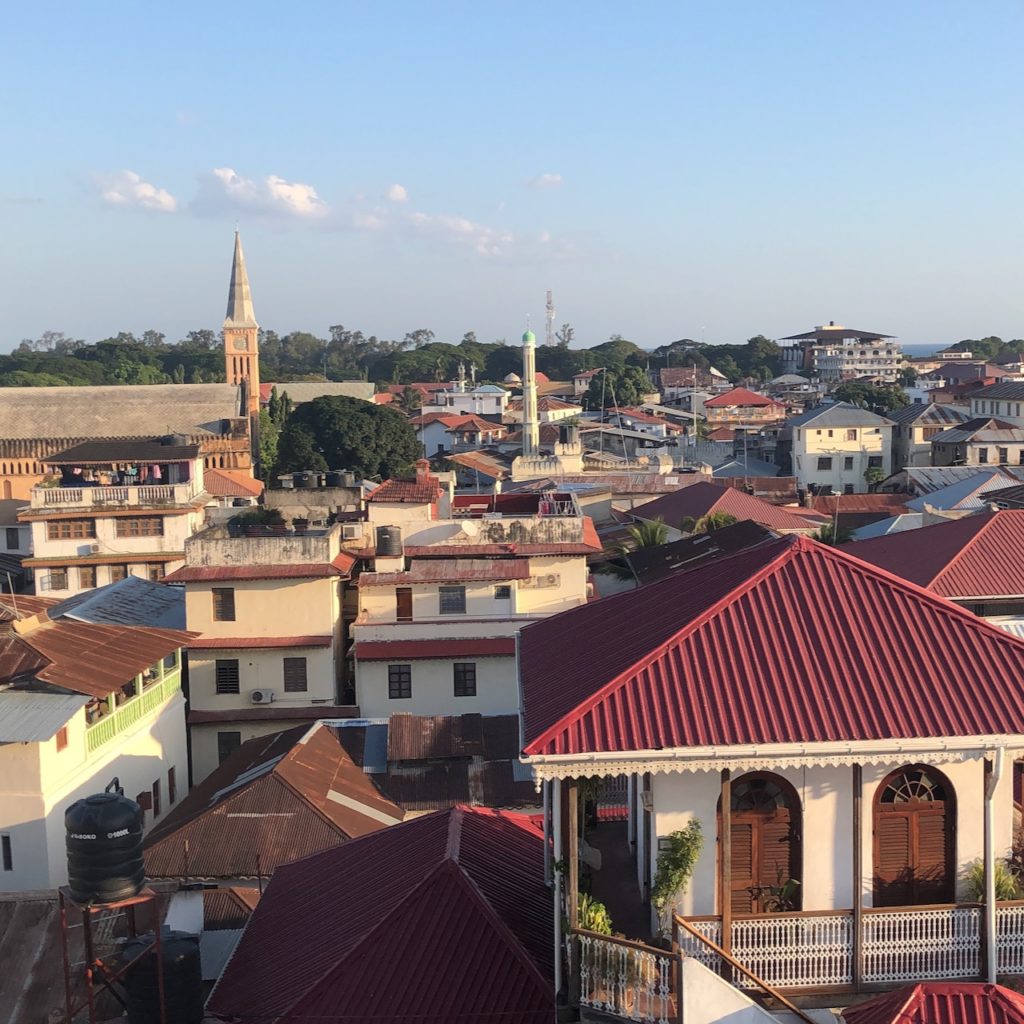
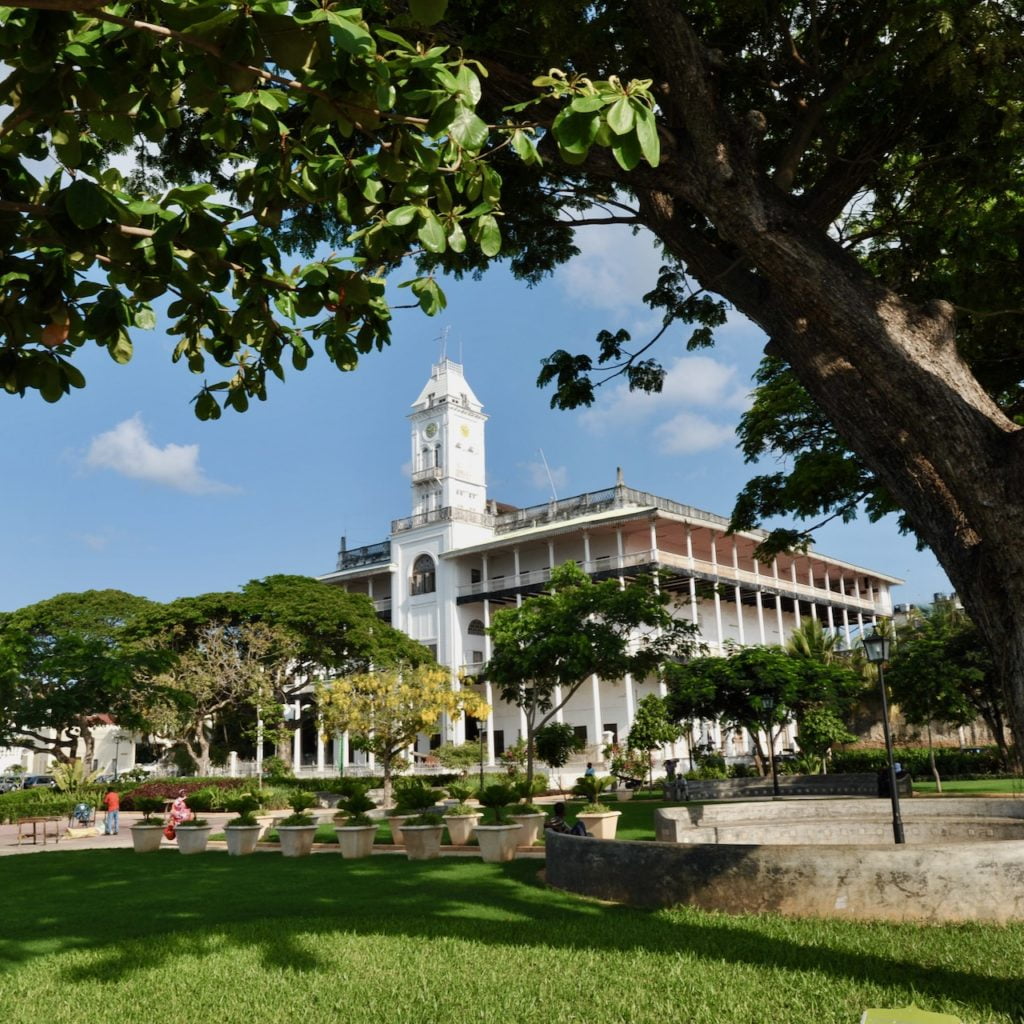
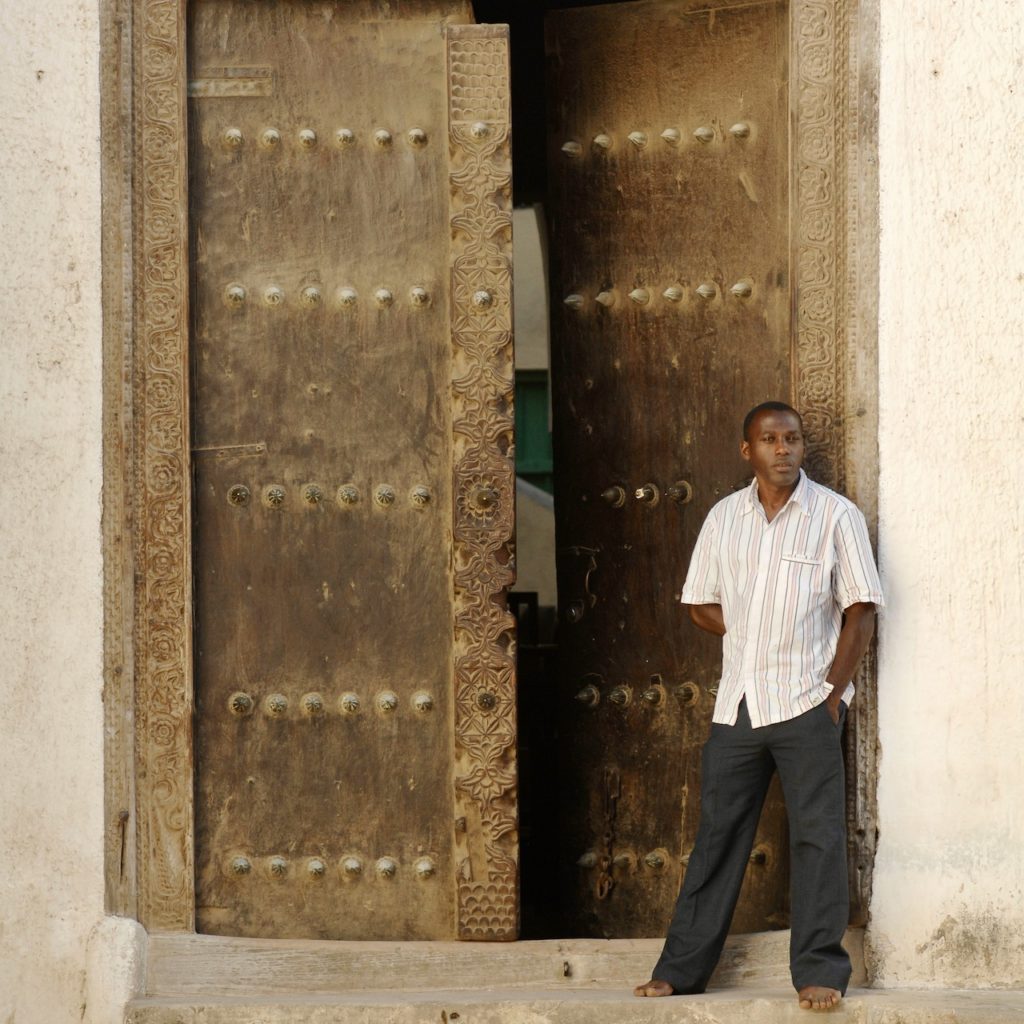
Stone Town is marked by the diversity of the origins of its culture, blending African, Indian, European culture, etc. Stone Town is home to the former slave market where the Anglican Church of East Africa was built.
Let yourself be carried away by the old town and wander through the markets, meet people and discover the island’s way of life and craftsmanship.
Fine sand islands West Unguja
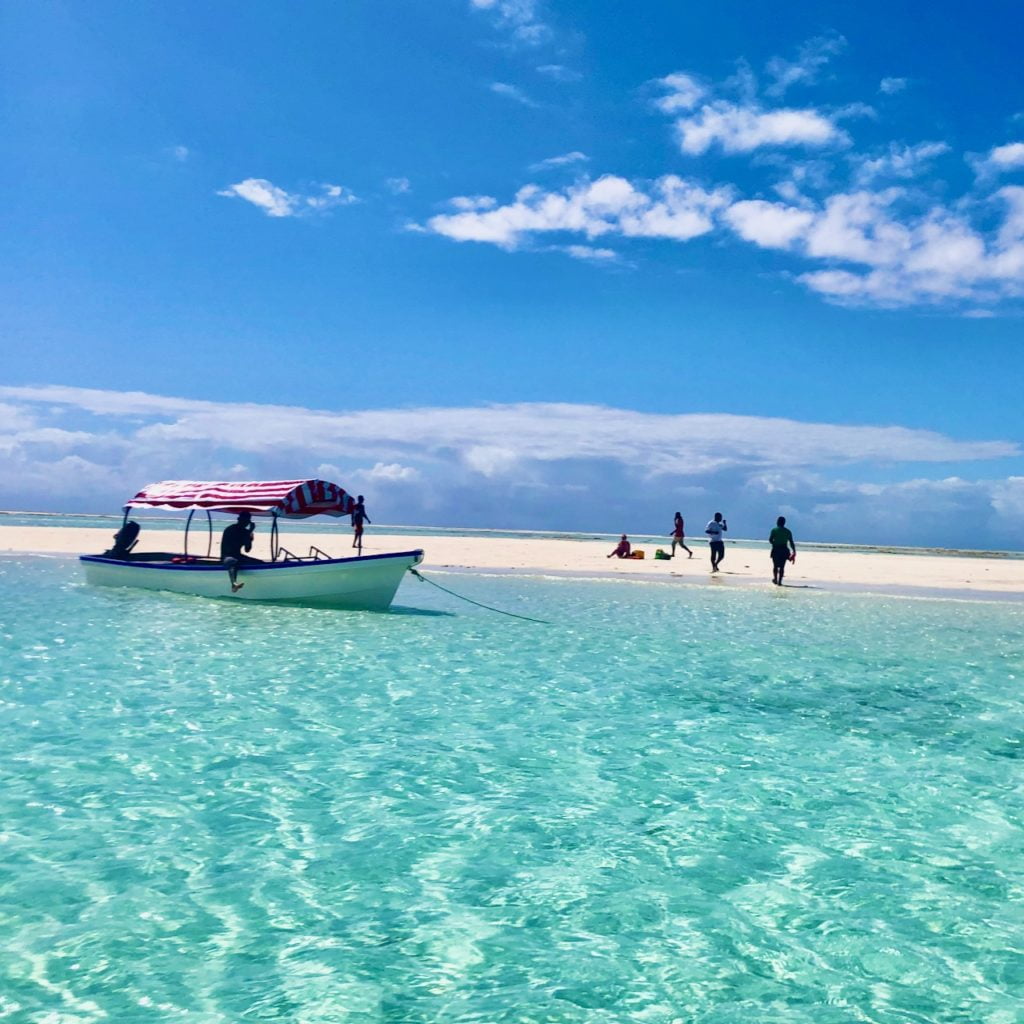
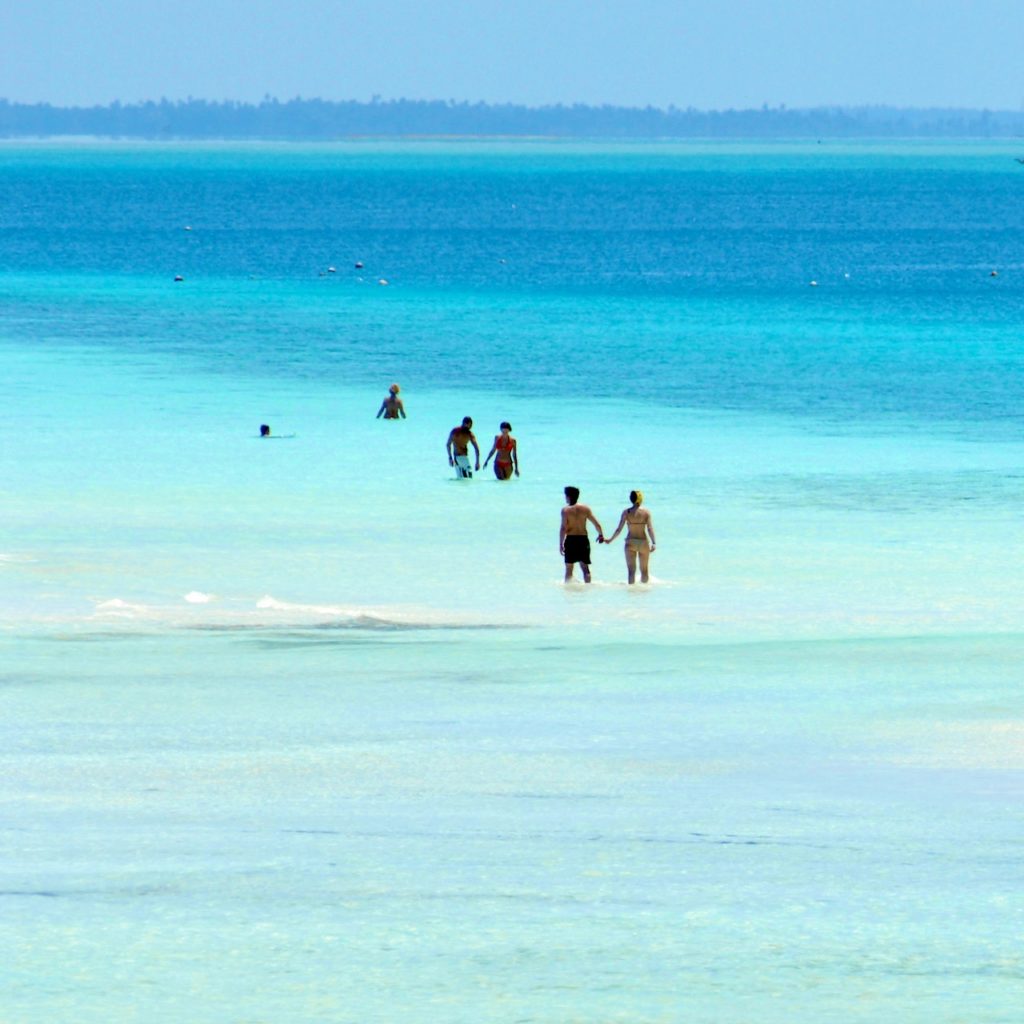
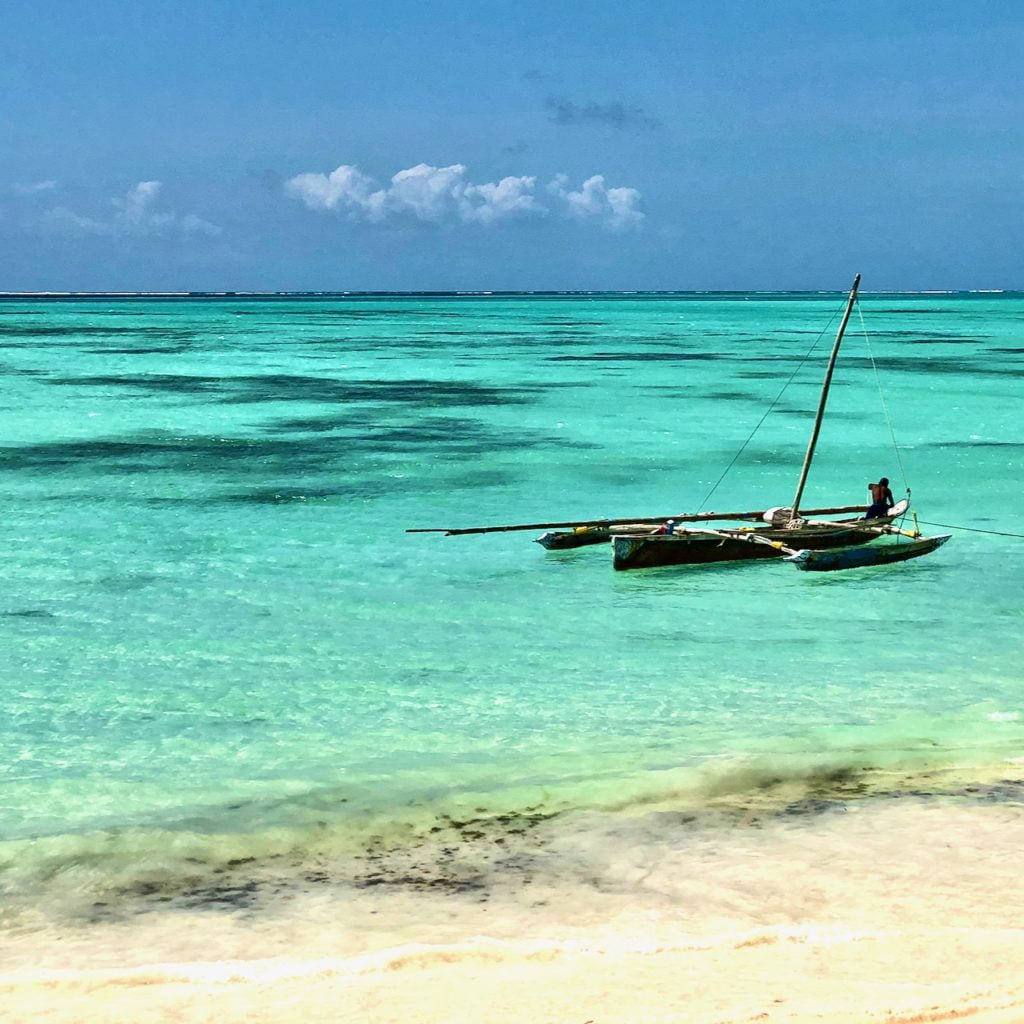
To the west of Zanzibar lies a whole archipelago of tiny islands open to tourists. The beach of Napukenda, the island of Murogo, Bawe Island, Pange, Changuu and Chapwani represent an ideal of comfort. The giant tortoises on Changu Island are astonishing. Changu Island is nicknamed Prison Island, because of the former presence of disobedient slaves.
Jozani Chwaka Bay National Park
Zanzibar is full of surprises with its vegetation and such rare animals.
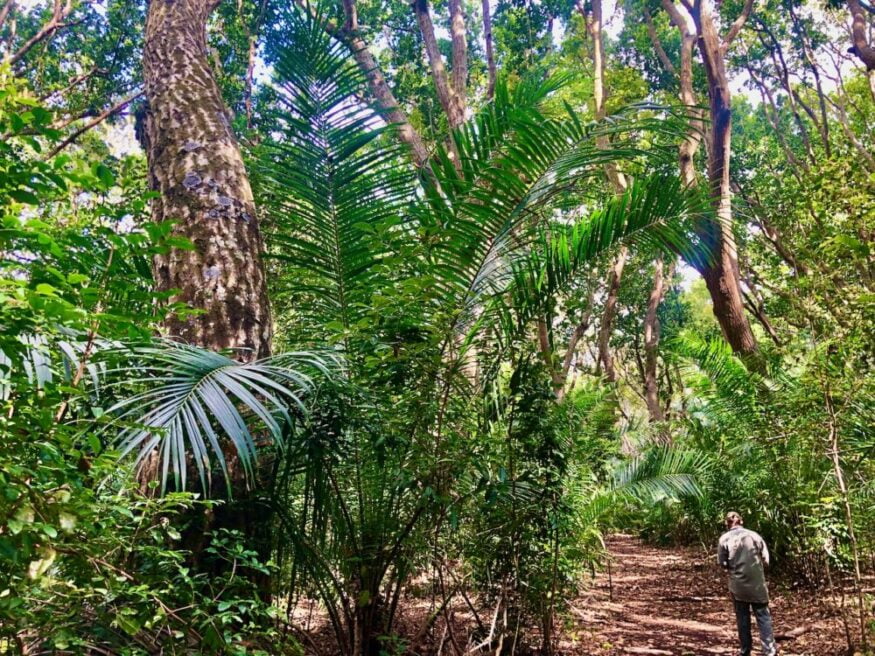
If, during your trip, you want to alternate your activities, such as an amazing hiking session in the tropical forest or enjoying the beach, we advise you to visit Jozani Chwaka Bay National Park.
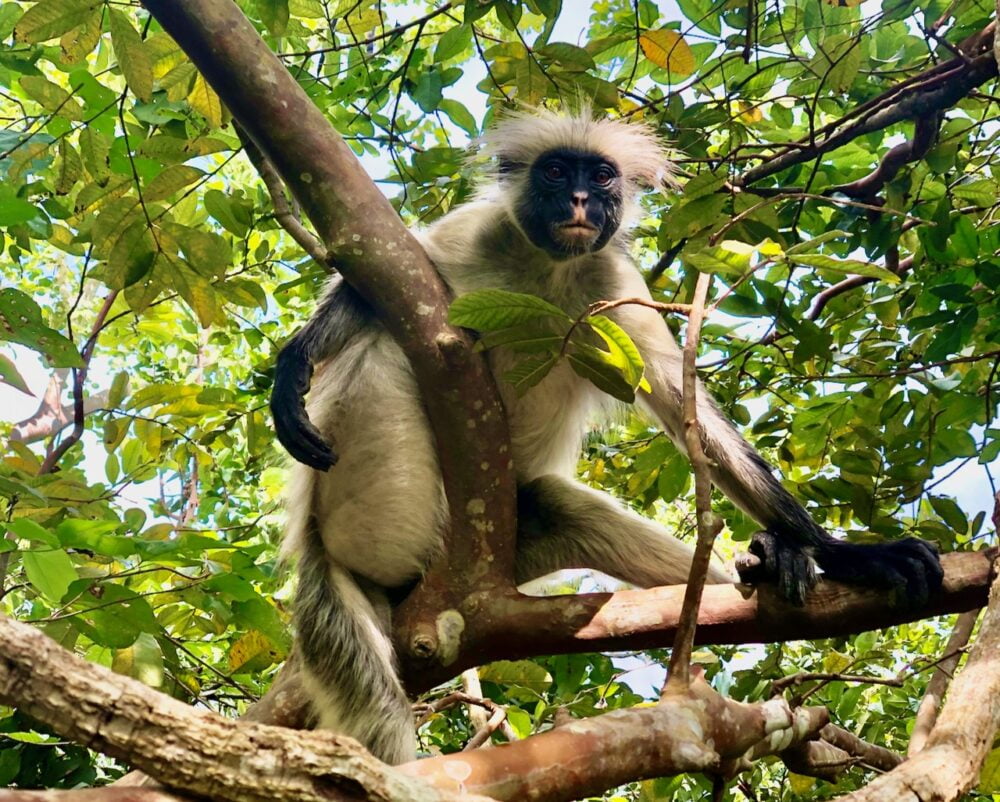
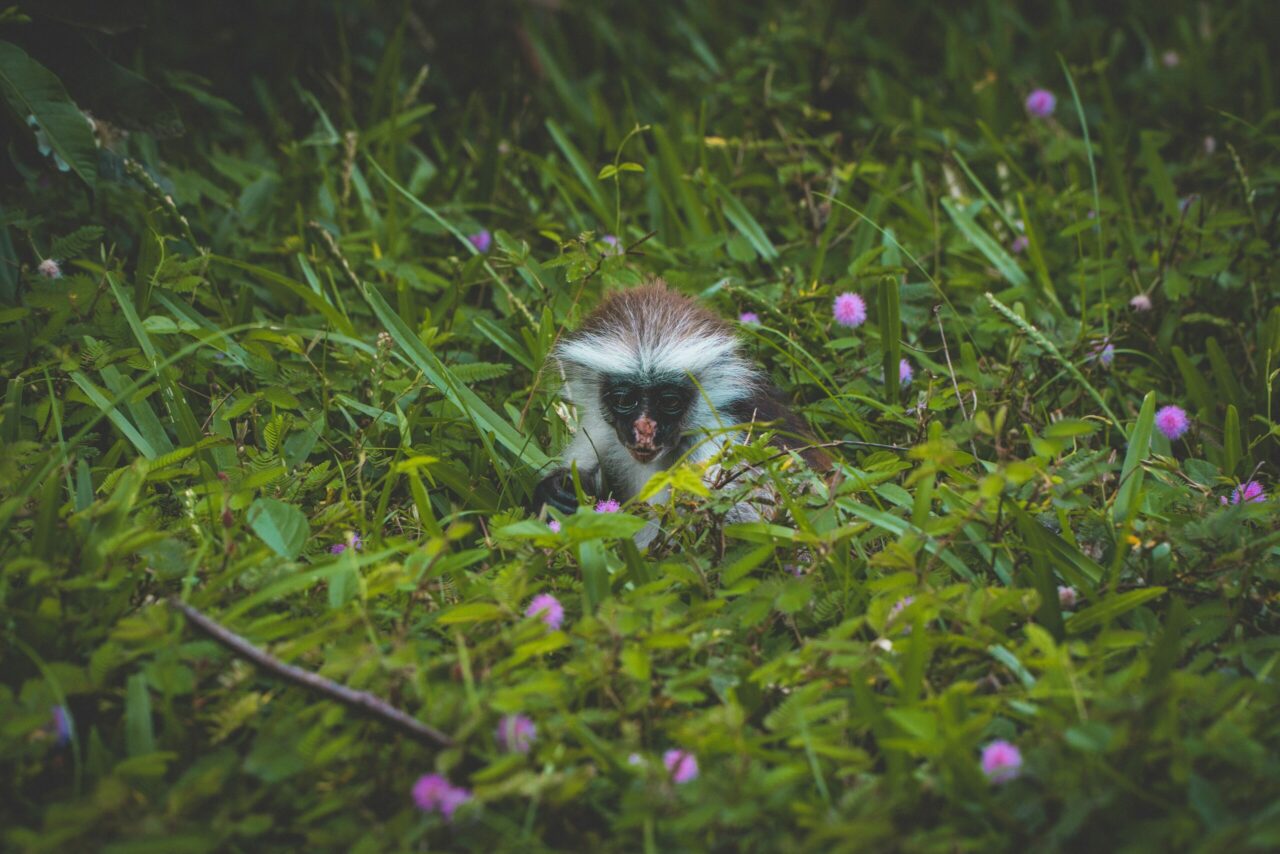
The red colobus monkeys of Jozani Chwaka Bay National Park have become an emblematic species of the island and of the park, now recognised as a biosphere reserve by UNESCO. Explore Jozani Park, between black sand mangrove and dazzling forest density
You should know that your visit to Jozani Chwaka Bay National Park helps to contribute to the preservation of the monkeys.
Here are the rules to follow in the park:
- It is forbidden to feed them; their forest is rich enough for them to find food.
- Avoid taking photos with your phone or camera flash
- You must keep a safe distance between you and them.
Entrance fee for Jozani Chwaka Bay National Park:
- $12 per adult
- $6 for children under 15
Getting to Jozani Chwaka Bay National Park is very simple, as it is located only 35km from Stone Town, the historical heart of Zanzibar.
When to visit Jozani Chwaka Bay National Park:
The park can be visited all year round, but we advise you to go between June and February in order to avoid the rainy periods.
Kuza Cave in Unguja
The steep water caves of Kuza Cave offer an unusual swim in surprisingly clear waters. Relatively secluded, the caves provide an original swimming setting; the water is warm and home to tiny crabs. Kuza Cave offers a stunning palette of colours.
Local performances are held there regularly.