
Located in northern Tanzania, on the border with Kenya, Serengeti National Park is a true safari temple. With its vast wilderness and abundant wildlife, Serengeti offers a glimpse of the wonderful natural landscapes for which Tanzania is renowned.
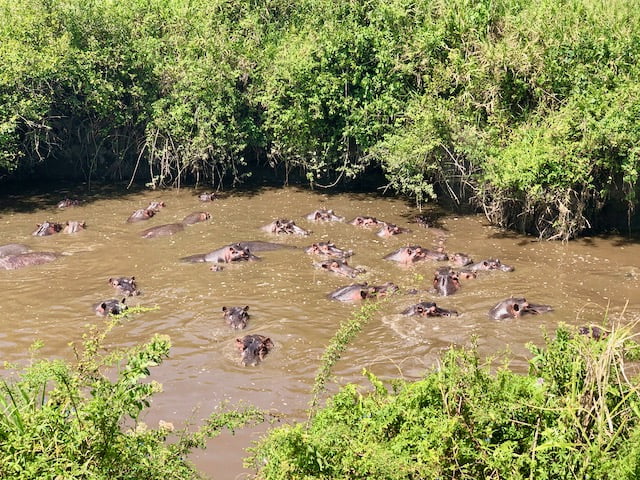
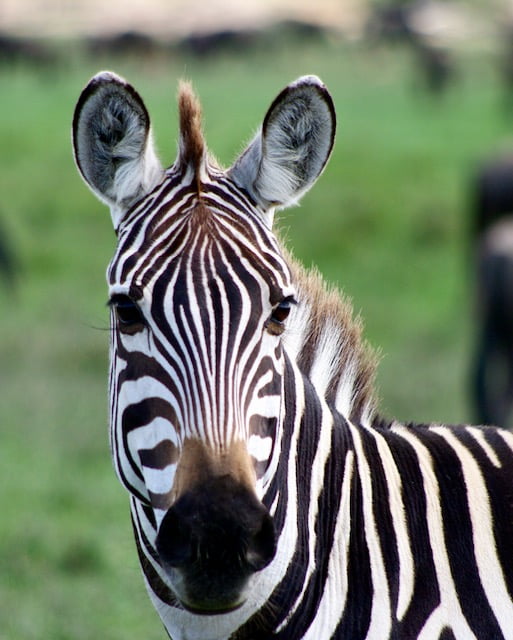
The Serengeti National Park offers incredible biodiversity and is home to a very high density of animals. It is the ideal place to observe the Great Migration! In this gigantic park, there are more than 4,000 lions, more than 200 cheetahs, a thousand leopards and more than 3,000 hyenas, giving you plenty of hunting scenes to observe. Indeed, the big cats roam freely among 3 million mammals: elephants, buffalo, wildebeest, zebras, gazelles, antelopes, hippos, rhinos and even primates!
Its nature is unique: mountains, savannah, forests, rivers… so much so that the park is listed as a UNESCO World Heritage Site. Of course, it is a protected area!
Discovering the landscapes and ecosystems of the Serengeti
With its legendary landscapes and great density of animals, the second largest national park in Tanzania invites you into the heart of a unique natural world. Mountains, savannah, forests, rivers: Serengeti National Park stands out for the richness of its ecosystem.
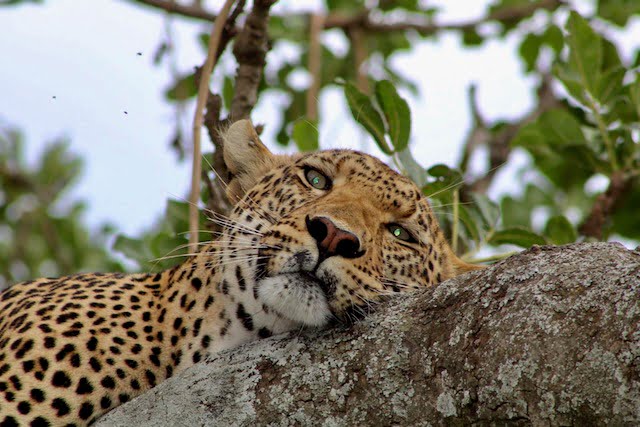
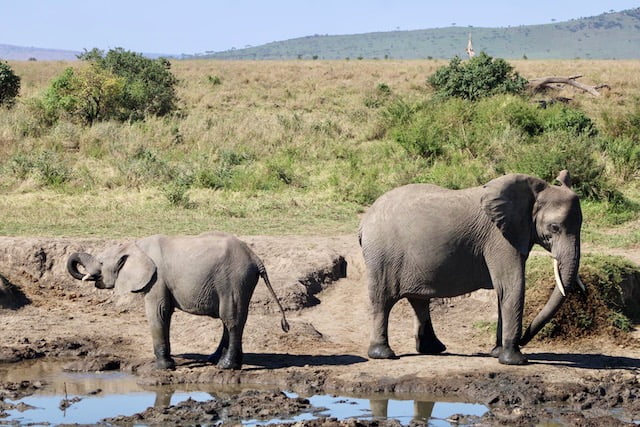
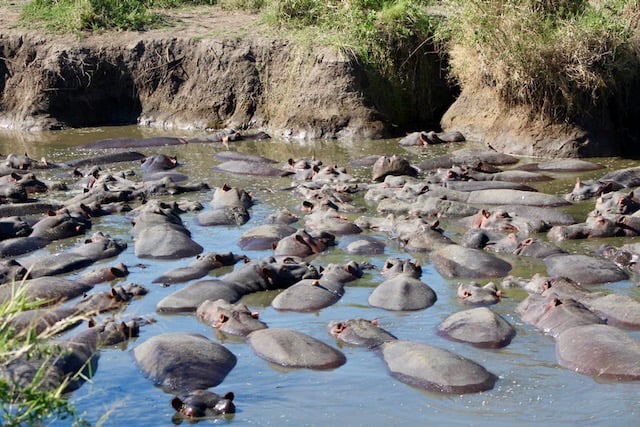
- The vast plains, emblematic of safari landscapes, are found in the south of Serengeti National Park. Lions nap there on their granite rocks called Kopjes while watching the huge herds of herbivores that inhabit the surrounding plains.
- The Seronera Valley, located in the centre of Serengeti National Park, is home to a high concentration of big cats attracted by the river that runs through it.
- The western corridor, to the west of the park, is an unavoidable passage during the Great Migration of wildebeest and zebras. Crossing the crocodile-filled Grumeti River is one of the spectacular scenes to observe when the herbivores move towards the north of the park.
- The Namiri region, which lies to the east of the reserve, offers landscapes similar to those in the south while providing an exclusive safari experience in the heart of even wilder savannah
- The vast plains and wooded hills of the Kogatende region, crossed by the Mara River in the north of Serengeti National Park, are the setting for spectacular scenes during the Great Migration.
The Great Migration of animals in the Serengeti
Serengeti National Park offers one of the most beautiful spectacles in the world: the Great Migration. Every year, millions of wildebeest and zebras move with the seasons between Tanzania and Kenya in East Africa. A migration characterised by spectacular scenes that vary completely depending on the time of year.
Every year, depending on the rains, several tens of thousands of herbivores, mainly wildebeest (2 million) and zebras (300,000), cross the great plains between Kenya and Tanzania in search of new grazing land.
The Great Migration begins in the south of the Serengeti (Tanzania) and spends a good part of the year in this park, moving between the south and the Ndutu region, the Western Corridor, Seronera in the centre and Lobo in the north. Serengeti is therefore often considered essential on a safari in Tanzania.
Our guides are experienced and will know exactly where to take you to observe this migration! Our advice: contact an advisor for a tailor-made trip. They will know which type of itinerary to suggest, depending on your holiday period, so that you are as close as possible to the Great Migration.
- From January to March, the herds gather in the Ndutu region in the south of Serengeti National Park, on the border with the Ngorongoro Conservation Area. This is where you can observe the birth of thousands of baby wildebeest.
- Between April and May, the herbivores migrate north via the western corridor. Crossing the Grumeti River, which is home to a large population of crocodiles, offers an impressive sight.
- From June to September, the wildebeest and zebras migrate towards the Mara River for a perilous crossing that will lead them into Kenyan territory.
- From October to December, the animals begin a new move towards the south of Serengeti National Park.
The Big Five of the Serengeti
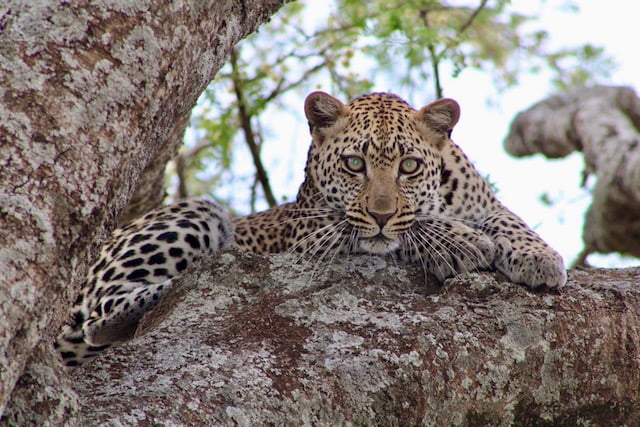
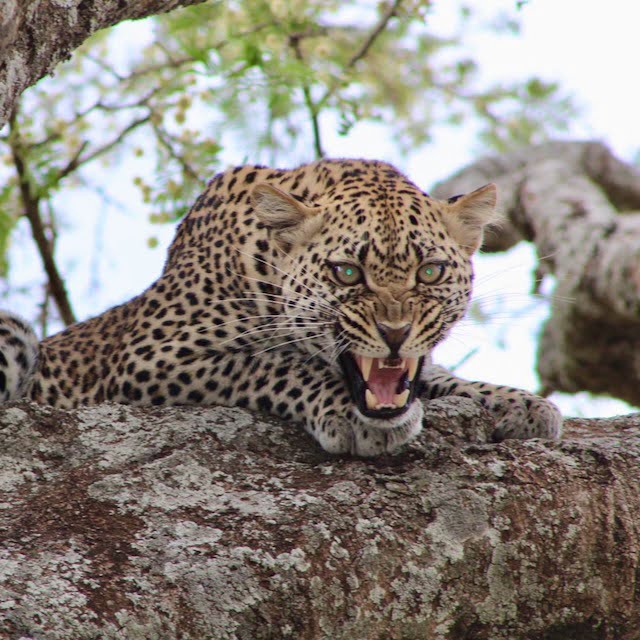
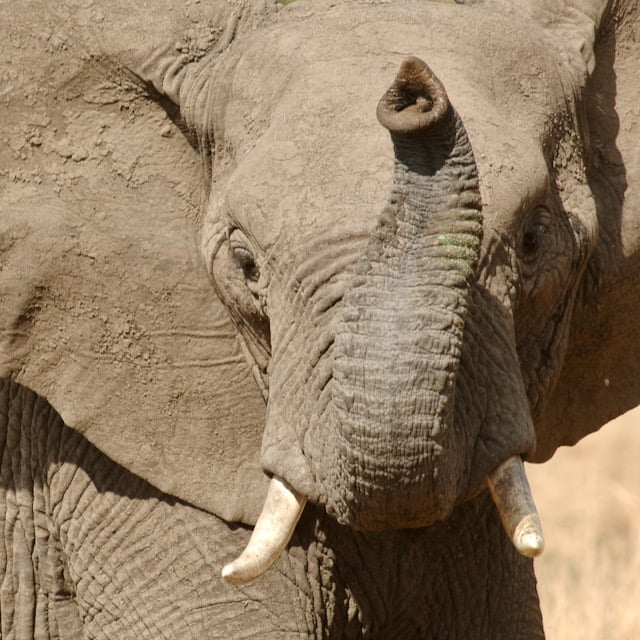
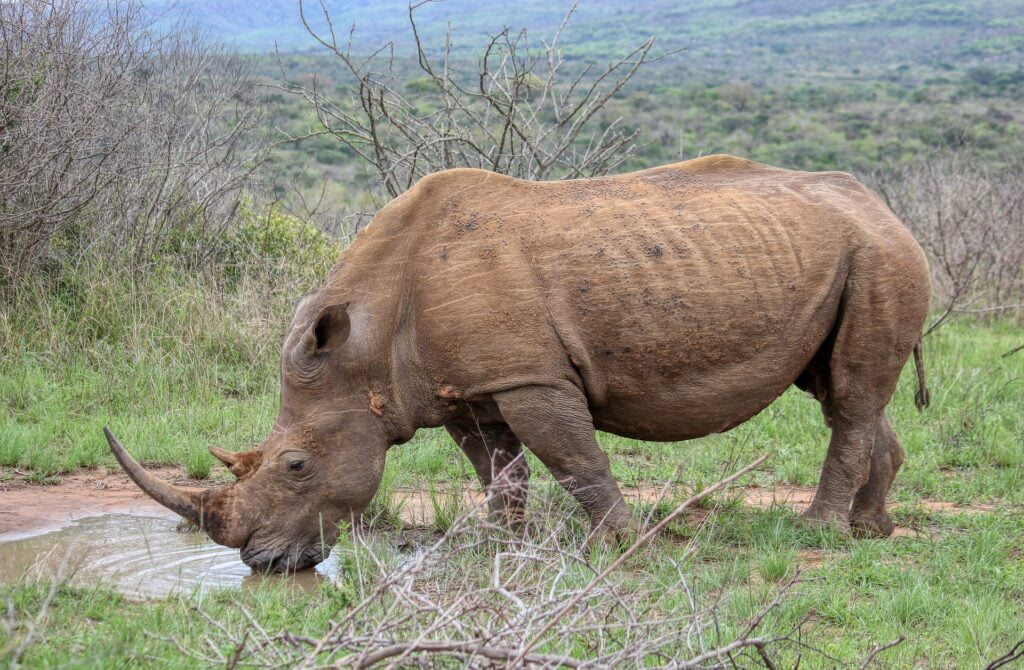
Behind this iconic name are 5 must-see animals of the African savannah: the lion, leopard, elephant, buffalo and rhinoceros. While this term is now used to refer to the stars of a photo safari in Tanzania, it once referred to the 5 animals hardest to find on a hunting safari. A massive hunt that led to the loss of a large part of the population of these majestic species. The protection of the lands of Serengeti National Park now contributes to the preservation and stabilisation of the members of the Big Five. The high density of wildlife and the richness of Serengeti’s biodiversity make it the ideal place to observe these iconic species.
The 4×4 safari experience in the heart of the Serengeti
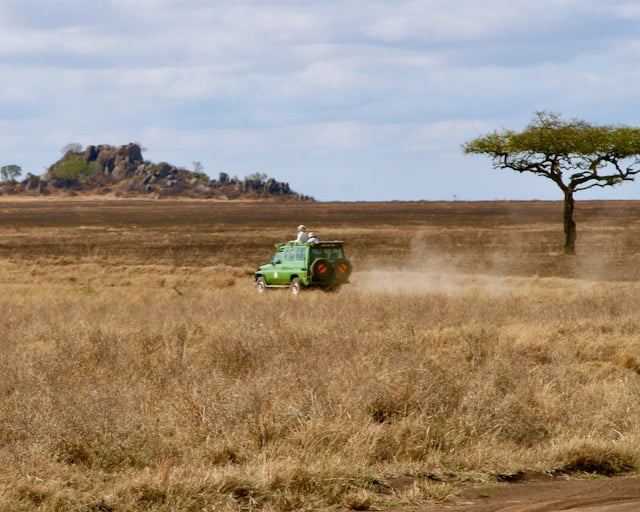
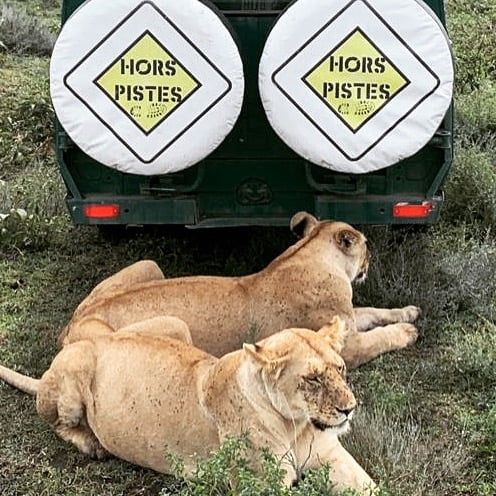
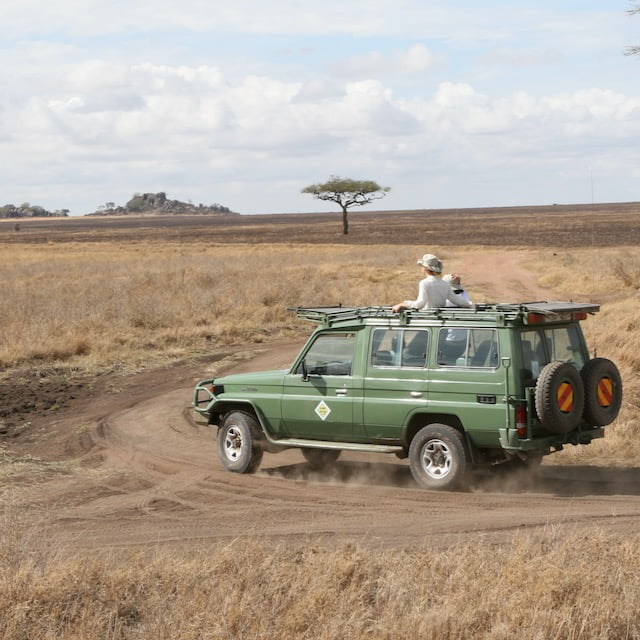
You will enjoy a tailor-made safari experience in Serengeti National Park aboard a specially designed all-terrain vehicle for observing Tanzania’s wildlife. Let yourself be guided along the reserve’s wild tracks in search of the famous Big Five. Our safari vehicles ensure comfort and safety for total immersion in the heart of the Tanzanian savannah!
Accommodation within Serengeti National Park
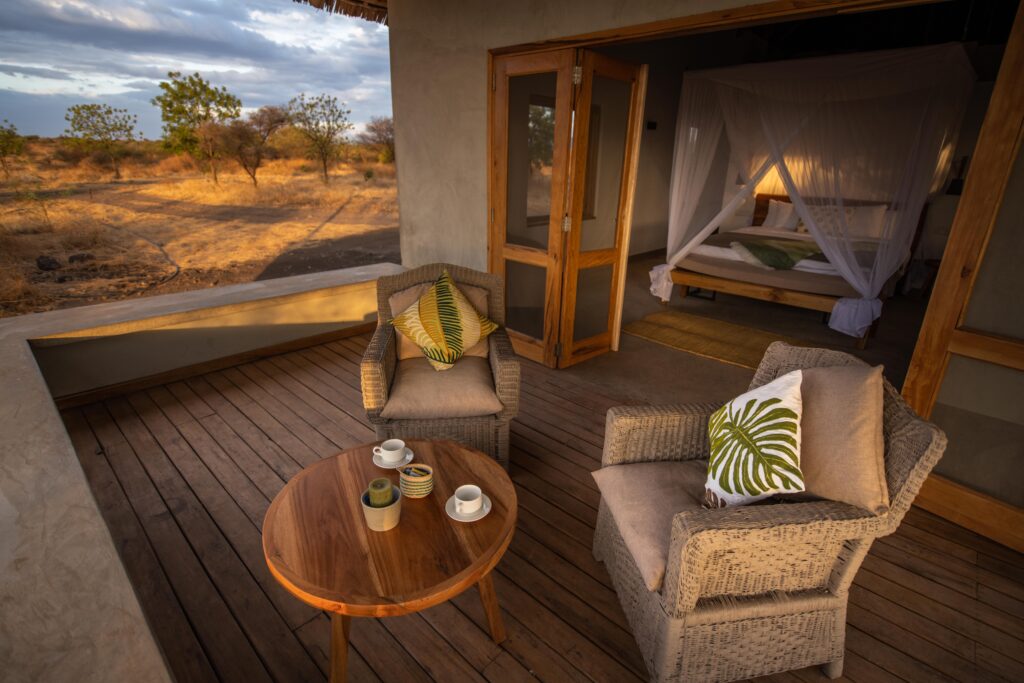
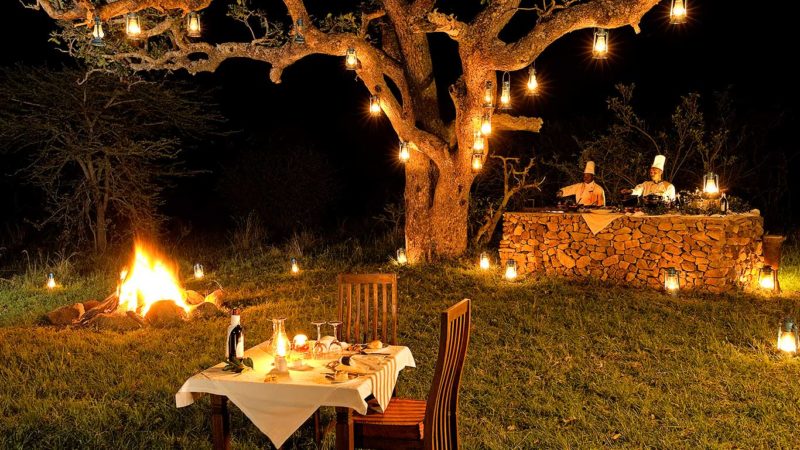
The tented camp is the best accommodation option for sleeping in the heart of Serengeti National Park. Whether fixed or mobile to follow the Great Migration, these upmarket camps made up of comfortable safari tents ensure a fully immersive journey into the wild. A moment of escape close to the iconic animals of the Tanzanian savannah awaits you! We will be able to offer you the lodge best suited to your budget and wishes for a complete change of scenery in the heart of Serengeti National Park.

The coexistence of the Serengeti’s different predators
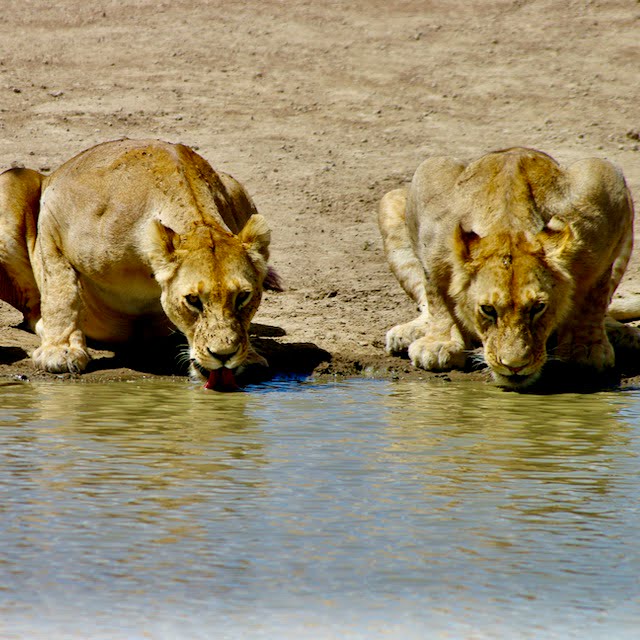
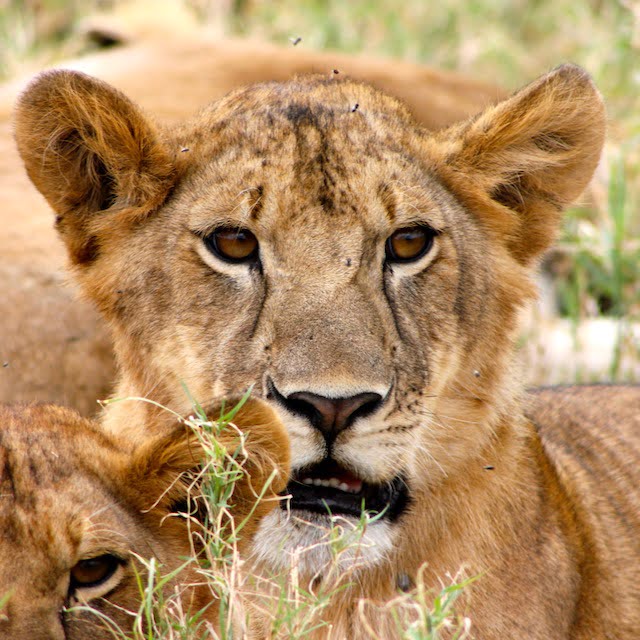
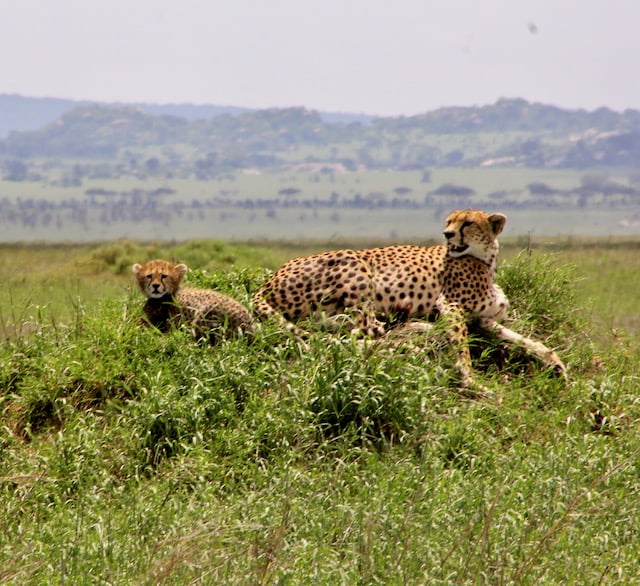
True stars of the African savannah, predators are among the animals most sought after by travellers on a safari in Tanzania. Emblems of the African bush, the lion and the leopard reign over the lands of the Serengeti. However, the famous members of the Big Five are not the only predators to have made their home on the wild expanses of Serengeti National Park. Cheetahs, hyenas, jackals and crocodiles are also present. These leading predators of the animal kingdom pose a danger to the many species that inhabit the vast plains of the park. Their coexistence is essential for regulating herbivore populations and contributes to the balance of a unique ecosystem. Serengeti National Park is the ideal place to observe hunting scenes on a safari in Tanzania because of its high concentration of predators.
The conservation and protection of threatened species in the Serengeti
The appeal of Tanzania is based essentially on the richness and beauty of its natural heritage. Preserving local biodiversity is therefore a major issue for the country. Long threatened by hunters and poachers, the iconic animals of the African savannah are the subject of preservation and conservation efforts. Serengeti National Park is one of the 14 national parks that were created with the aim of protecting threatened species. All human activity is prohibited, with the exception of tourism, on the vast plains of the Serengeti. The very strict regulations in these wild expanses protect the animals from poaching and support the stabilisation and growth of threatened species such as the lion and elephant. Raising awareness and educating the local populations who were forced to leave the lands of the Serengeti are also crucial to preserving the local fauna and flora.
The impact of tourism on the Serengeti and eco-responsible initiatives
Created with the aim of preserving local fauna and flora, Serengeti National Park plays a key role in protecting Tanzania’s biodiversity. Tourism is an indispensable source of income to fund the actions needed to conserve this fragile ecosystem. Despite its vital importance for preserving Tanzania’s iconic animals, tourism has a significant environmental impact. More and more eco-friendly initiatives are being launched to encourage the development of sustainable and eco-responsible tourism. The management of waste and natural resources is at the heart of concerns for tourism stakeholders committed to sustainable development. At Off Road Tanzania, we do everything we can to offer you an authentic and more sustainable safari itinerary. This commitment is reflected in concrete actions: taking part in educating local populations, raising travellers’ awareness, promoting local employment, and selecting partners committed to an eco-responsible approach.
The cultural richness and traditions of the local populations around the Serengeti
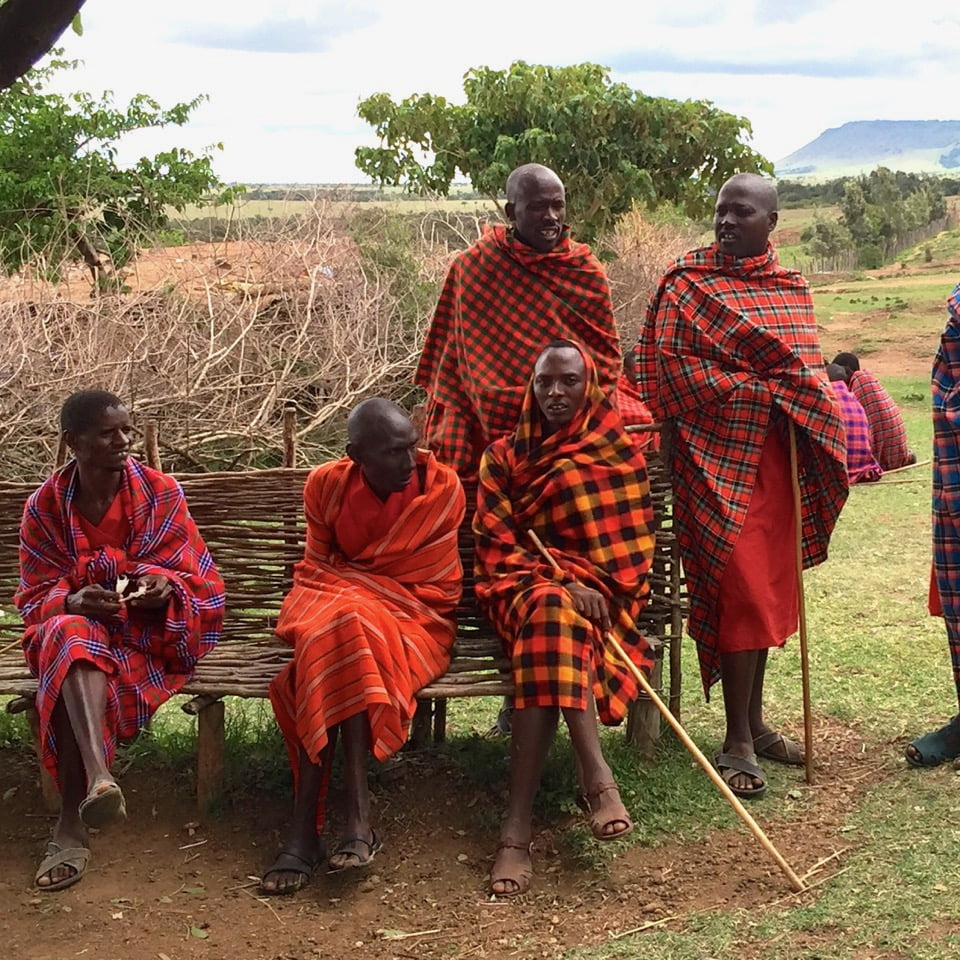
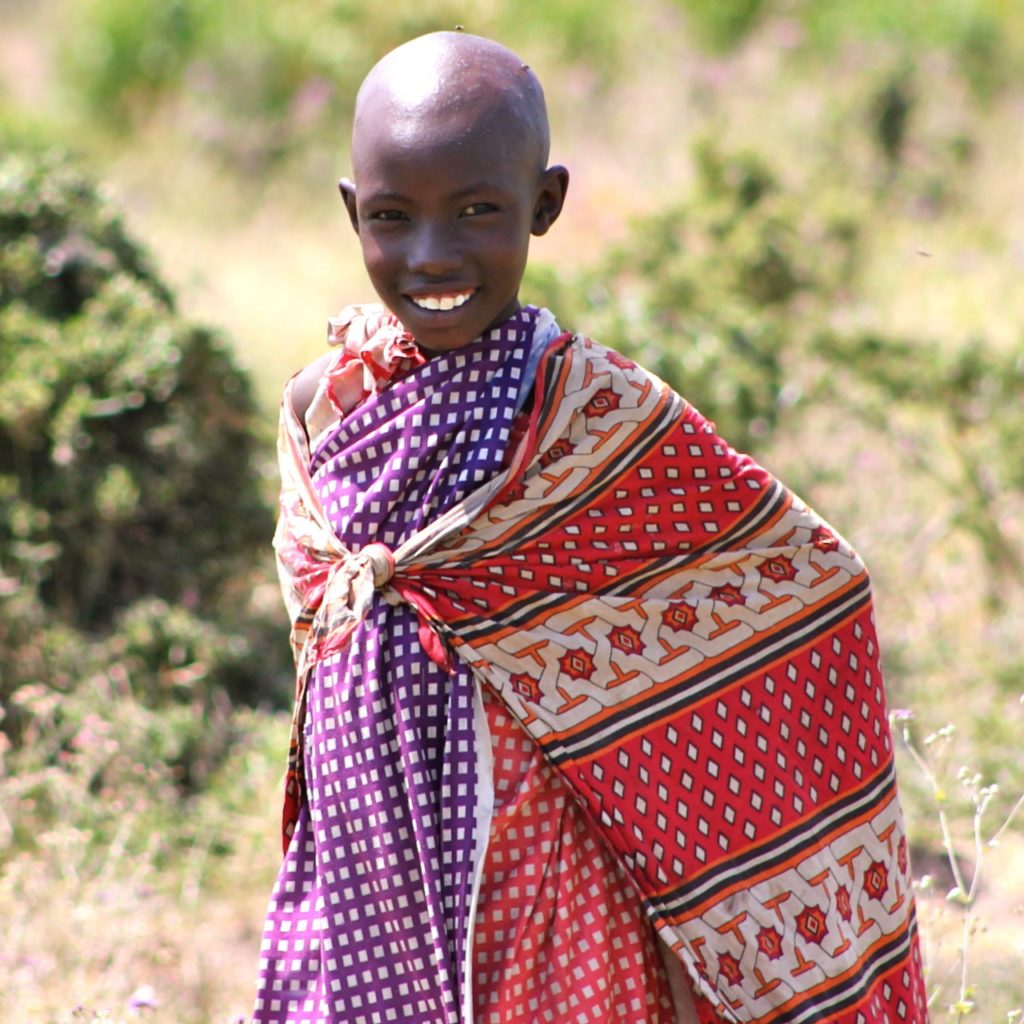
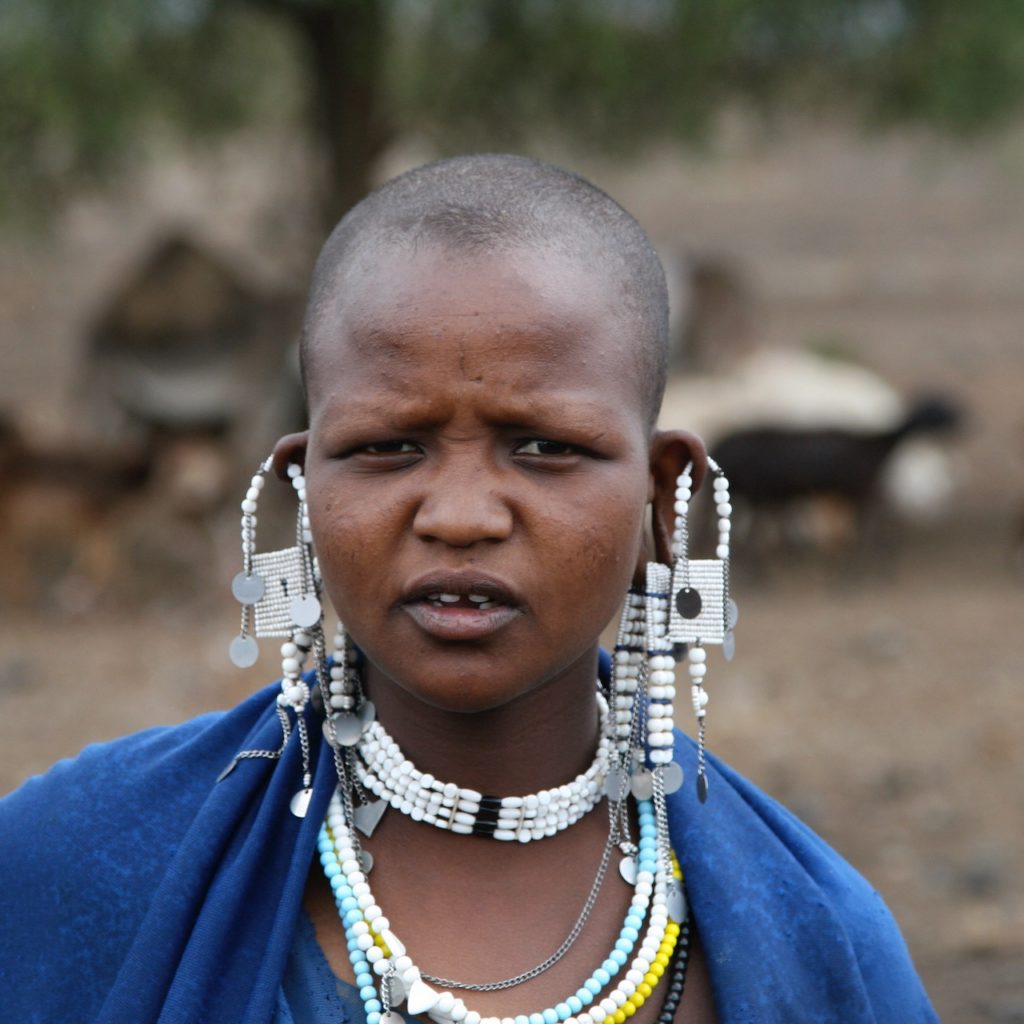
Exploring Serengeti National Park is not just about observing exceptional wildlife and breathtaking landscapes, it is also about discovering the territory of the Maasai. During your stay on the Serengeti tracks, you will have the opportunity to meet this emblematic semi-nomadic people of herders and warriors. By meeting a Maasai tribe, you will experience an authentic moment of sharing, you will meet fascinating people, and you will discover a way of life, a culture and traditions. The safari itineraries we organise in Tanzania encourage cultural exchange. We are keen to introduce you to this unique and authentic world during your tailor-made trip to Serengeti National Park. Going to meet the local populations is an integral part of the safari experience. A visit to a traditional village on the lands of the Serengeti will be an opportunity to create privileged moments of exchange and sharing with the Maasai people. An encounter you are unlikely to forget!
Must-sees on a stay in the Serengeti with Off Road Tanzania
Famous for its abundant wildlife, fantastic landscapes and the impressive migration of millions of zebras and wildebeest, Serengeti National Park offers a very full safari experience. The vast plains of the safari temple are full of wonders.
Watch our Off Road Tanzania video on the Serengeti reserve:
Here is our top 5 must-sees during a stay on the Serengeti tracks:
- Observe the famous Big Five
- Watch hunting scenes
- Admire the Great Migration of wildebeest
- Fly over the savannah in a hot-air balloon
- Discover the local culture by visiting a Maasai village
How do you prepare for your safari in Serengeti with Off Road Tanzania?
Would you like to discover this iconic national park in Tanzania? Discover all our practical tips for preparing your safari properly.
How do you get to Serengeti National Park?
Serengeti National Park is accessible by road or by plane.
- 8 hours by road from Arusha
- 3 hours by road from Ngorongoro
- 5 hours by road from Tarangire
- 1 hour 45 minutes by flight from Arusha Airport
To limit travel time, it is advisable to visit Serengeti National Park after a safari in Lake Manyara National Park, Tarangire or the Ngorongoro Conservation Area.
When should you go on safari in Serengeti National Park?
Located in northern Tanzania, Serengeti National Park enjoys a pleasant climate all year round. The two rainy seasons, from March to May and from November to December, are not incompatible with going on safari. Indeed, temperatures are mild and the rain is acceptable during this period. The dry season, which takes place from June to October, and the hot season, which runs from late December to late February, still offer more favourable conditions. The choice of period will mainly depend on what you want to see during your safari in Serengeti National Park. This iconic nature reserve is the setting for a fascinating spectacle: the Great Migration. Many travellers plan their trip to Tanzania around this incredible phenomenon. Each part of the park has its preferred season for observing this exceptional natural spectacle. Here are the key phases of the migration of millions of wildebeest between Tanzania and Kenya:
- December to March: calving season in the Ndutu region in the south of Serengeti National Park
- April – May: crossing the western corridor to the north of the park
- July – August: migration of wildebeest to Masaï Mara National Park in Kenya. An impressive crossing of the Mara River.
- October to December: movement of the herds towards the southern plains of Serengeti National Park.
Prices and regulations of Serengeti National Park
The entrance fee to Serengeti National Park varies according to age:
- 60 USD for adults
- 20 USD for children aged 5 to 15
- Free for children under 5
An additional fee will apply depending on the weight of the vehicle, and the guide’s entrance fee is also payable by visitors. In addition, there is 18% VAT. If you choose to travel with Off Road Tanzania, all these fees will be included in the price of your tailor-made safari in Tanzania.
A safari in Serengeti National Park is subject to certain rules:
- Respect the wildlife and flora
- Be accompanied by a guide
- Do not get out of the vehicle
- Do not smoke