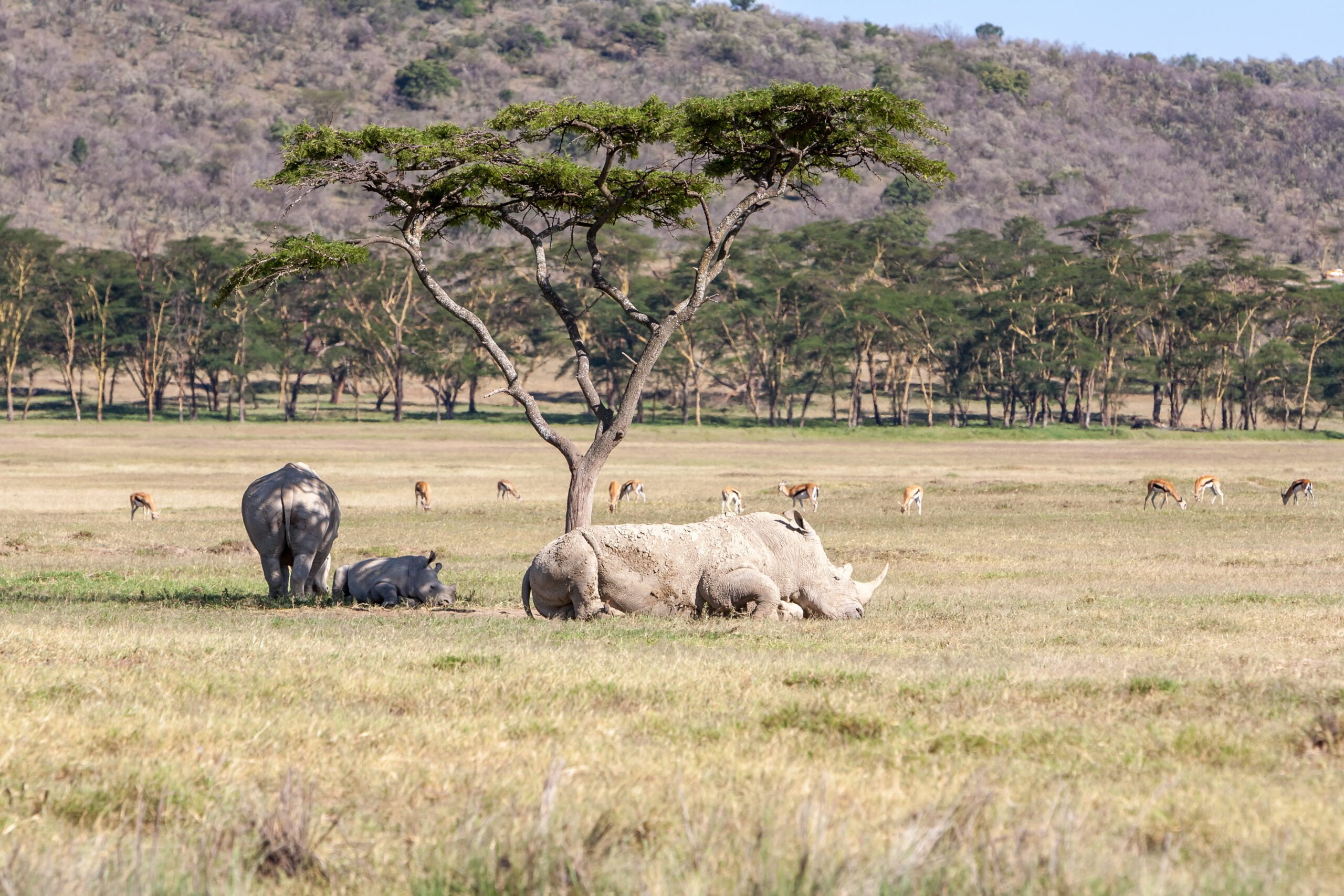
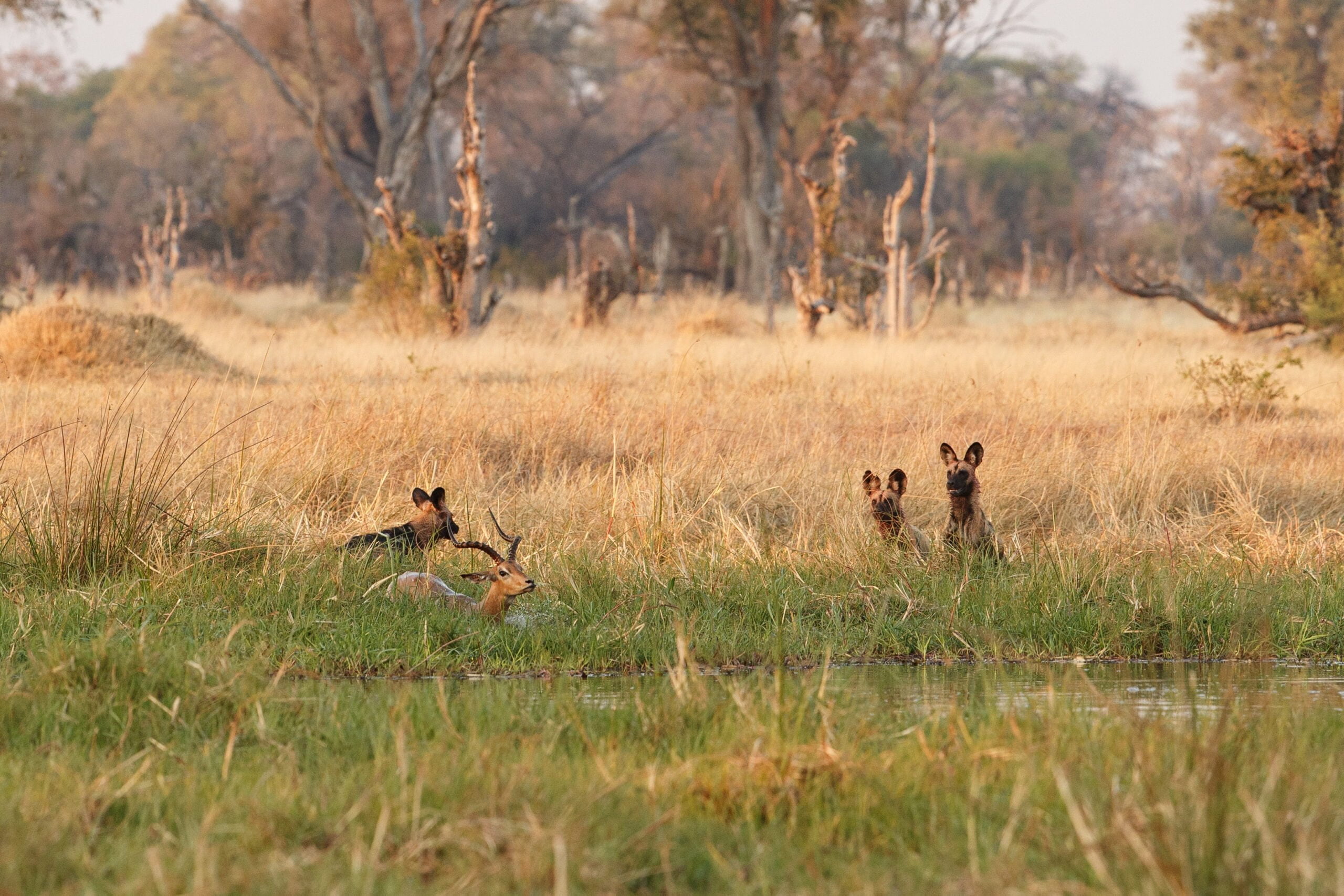
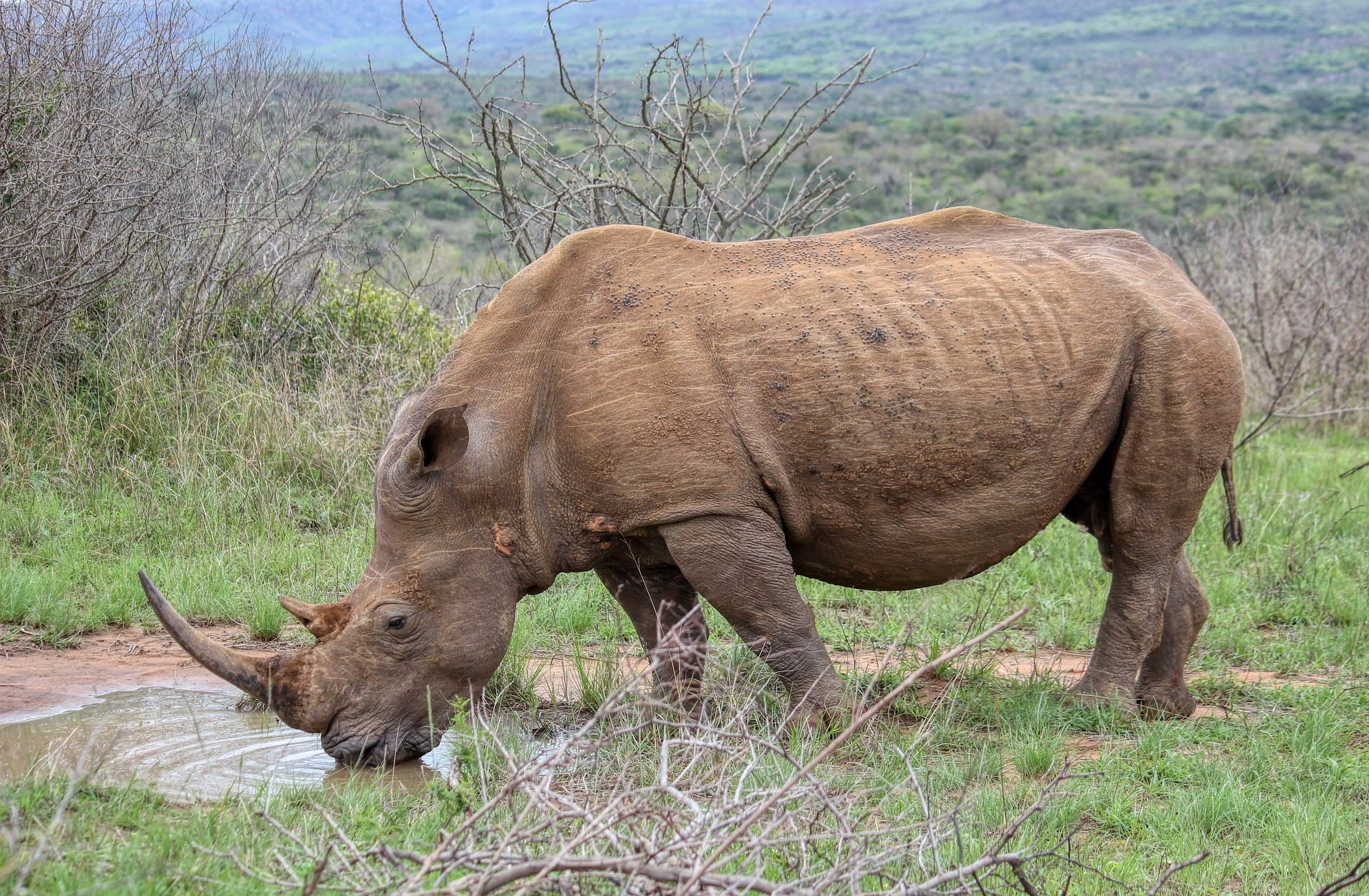
Mkomazi National Park was once a poaching site, which is why today the park is home to several threatened species such as the black rhinoceros and the wild dog.
The park works to breed black rhinoceroses so that their offspring can continue over time in Tanzania, as they represent 30% of the country’s total population. During your safari, you will learn about their way of life and the measures that have been put in place in the park to support their conservation.
The black rhinoceroses are in semi-captivity, while the wild dogs (which is also an endangered species) are in total captivity.
During your safari you will have the chance to spot different animals.
- Leopard
- Antelope
- Cheetah
- Buffalo
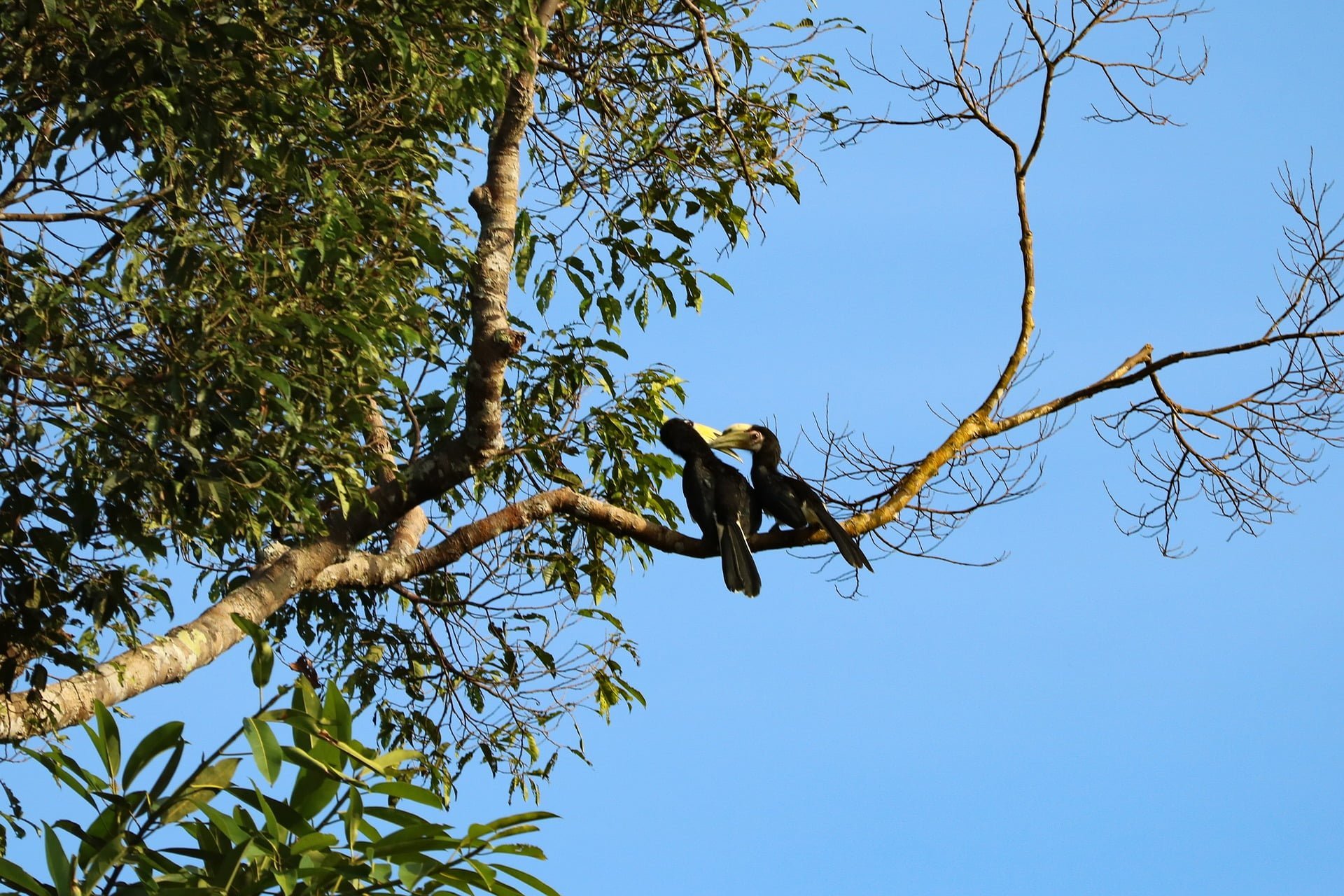
- Hornbills
- Lion
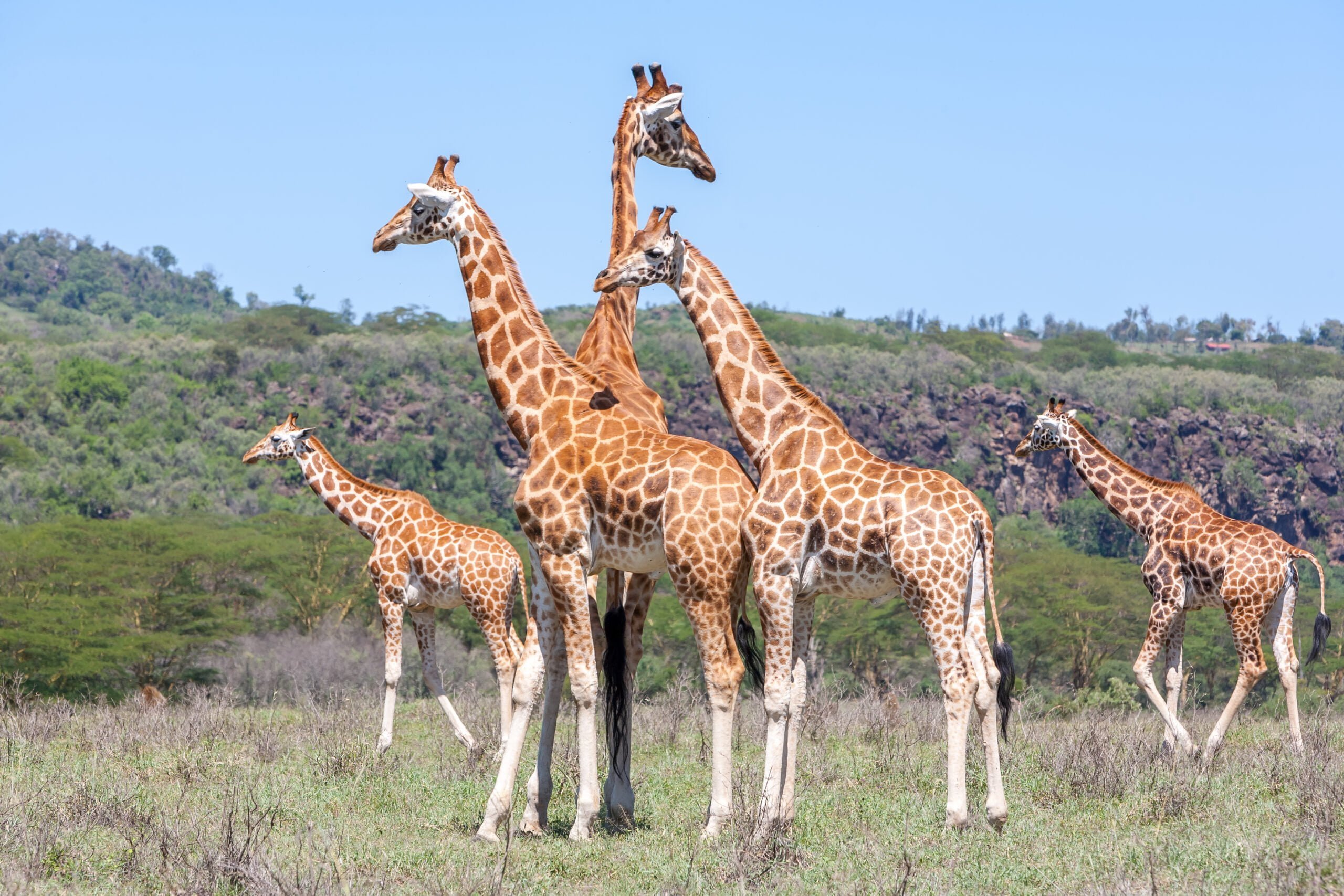
- Giraffe
- Zebra
- Oryx
- Elephant
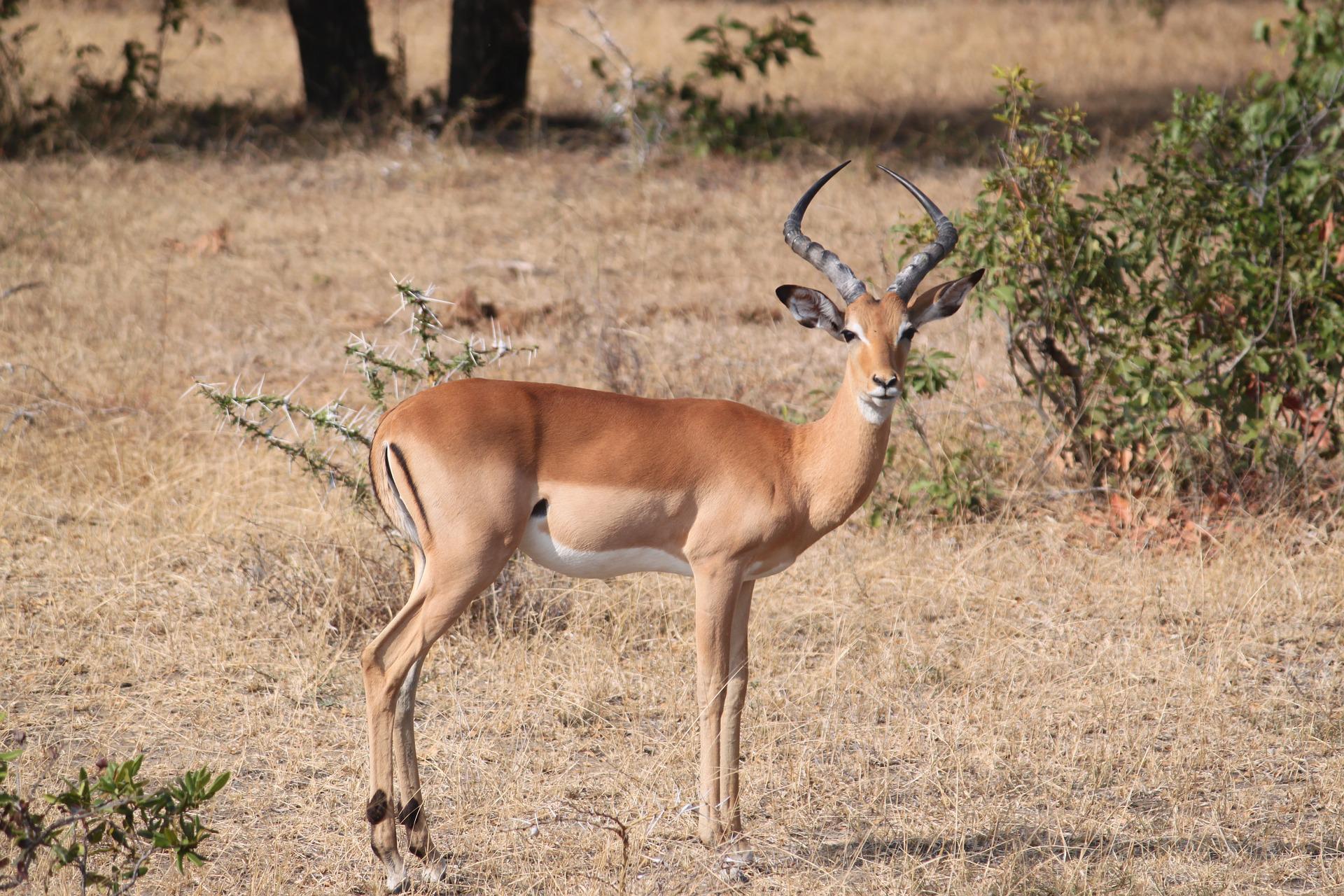
- Impala
- Gazelle
- Martial eagles
In total, more than 400 bird species are recorded in the park. Among them are some species from the northern arid regions
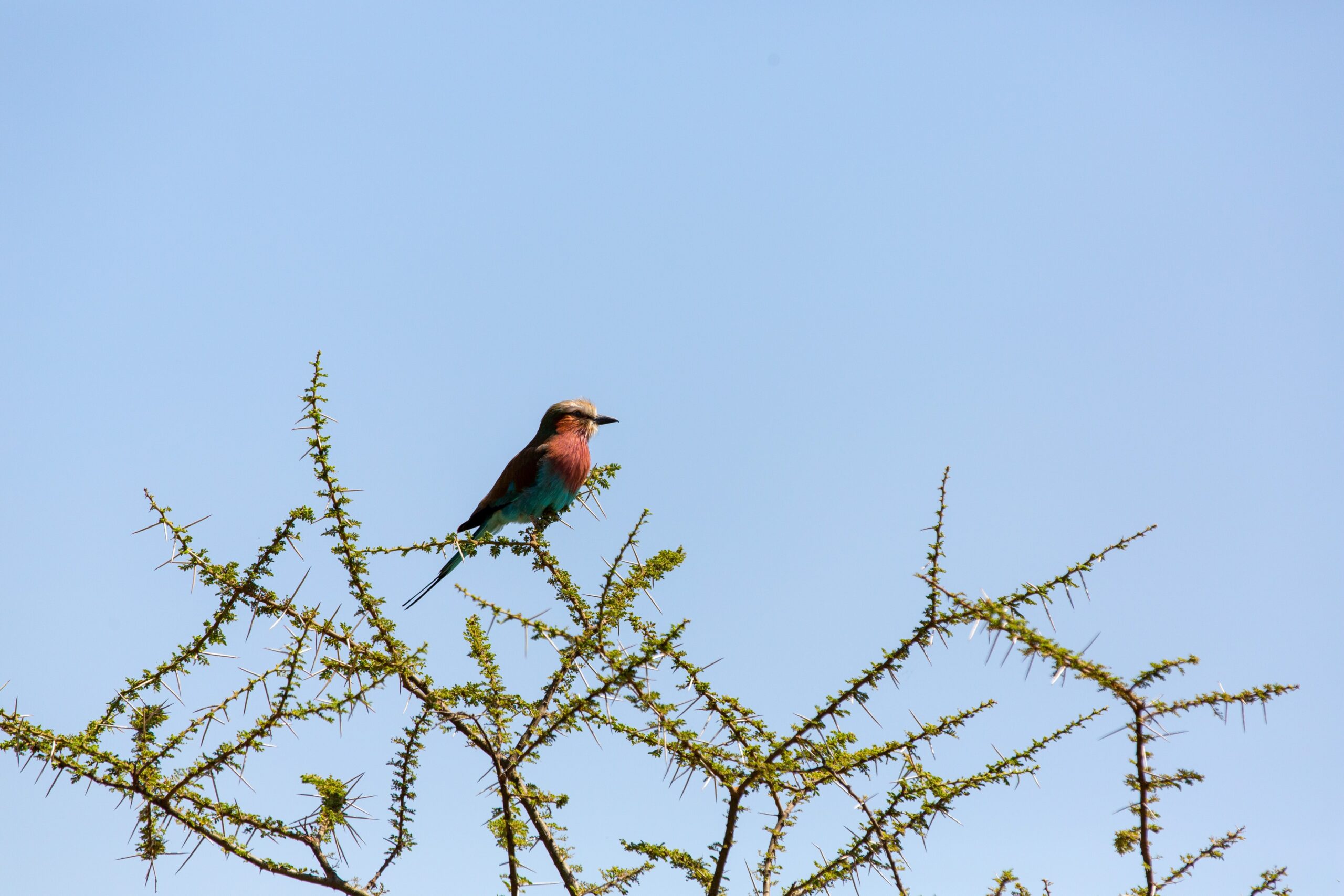
It is an ideal place for birdwatching: martial eagles, hornbills, weavers, guinea fowl and many more.
With its vast area (3,500 km), the park will delight hikers. You will be able to encounter wild animals in dry landscapes, and take magnificent photos in a unique setting.
When to visit the park?
The best time to observe large mammals and birds is from June to early September. If you wish to admire the beauty of its flora, we recommend the period from March to June.
How do you get to Mkomazi National Park?
Access to Mkomazi National Park is fairly straightforward, as several African towns serve it:
- Allow 4.5 hours’ driving from Tanga
- About 6 hours’ driving from Pangani
- Or 5.5 hours’ driving from the Usambara Mountains
Where to sleep?
As far as accommodation is concerned, a semi-permanent campsite is located near the park offices.
You also have the option of finding small hotels or even other rooms in the town of Same.
However, we recommend “Babu’s camp”, accommodation in Mkomazi Park. If you are looking for seclusion in the heart of the wilderness, this accommodation will be ideal for you. Off the beaten track, you will have the chance to observe herds of zebras and elephants on the plains. However, it should be noted that the camp has only 5 tents, which is fairly limited.
To enjoy this magnificent accommodation, you should expect to pay around $270 per day per person on a full-board basis.
Park prices and regulations
Park entry fee:
- $30 per day for those over 16
- $10 for children aged 5 to 16