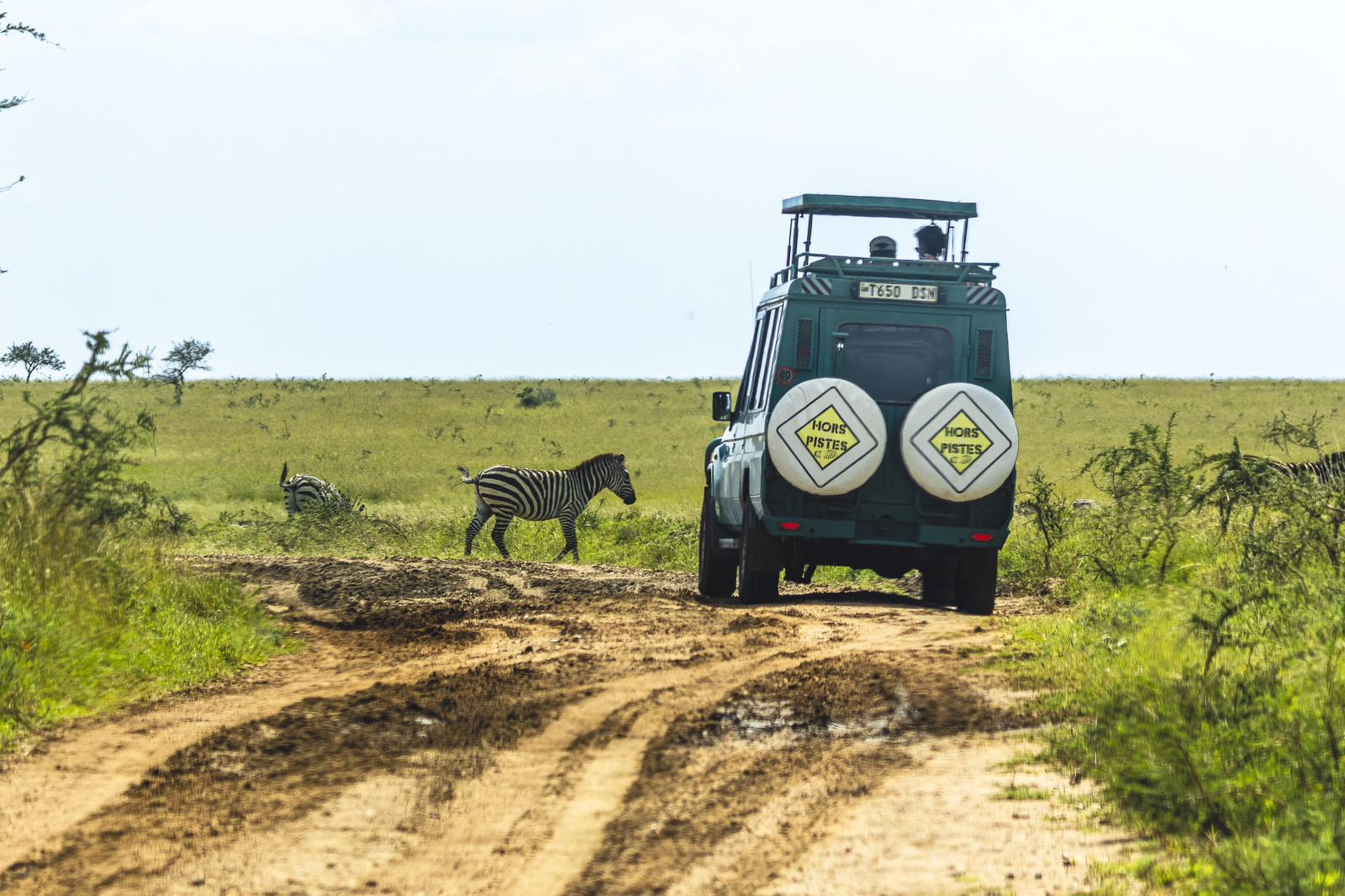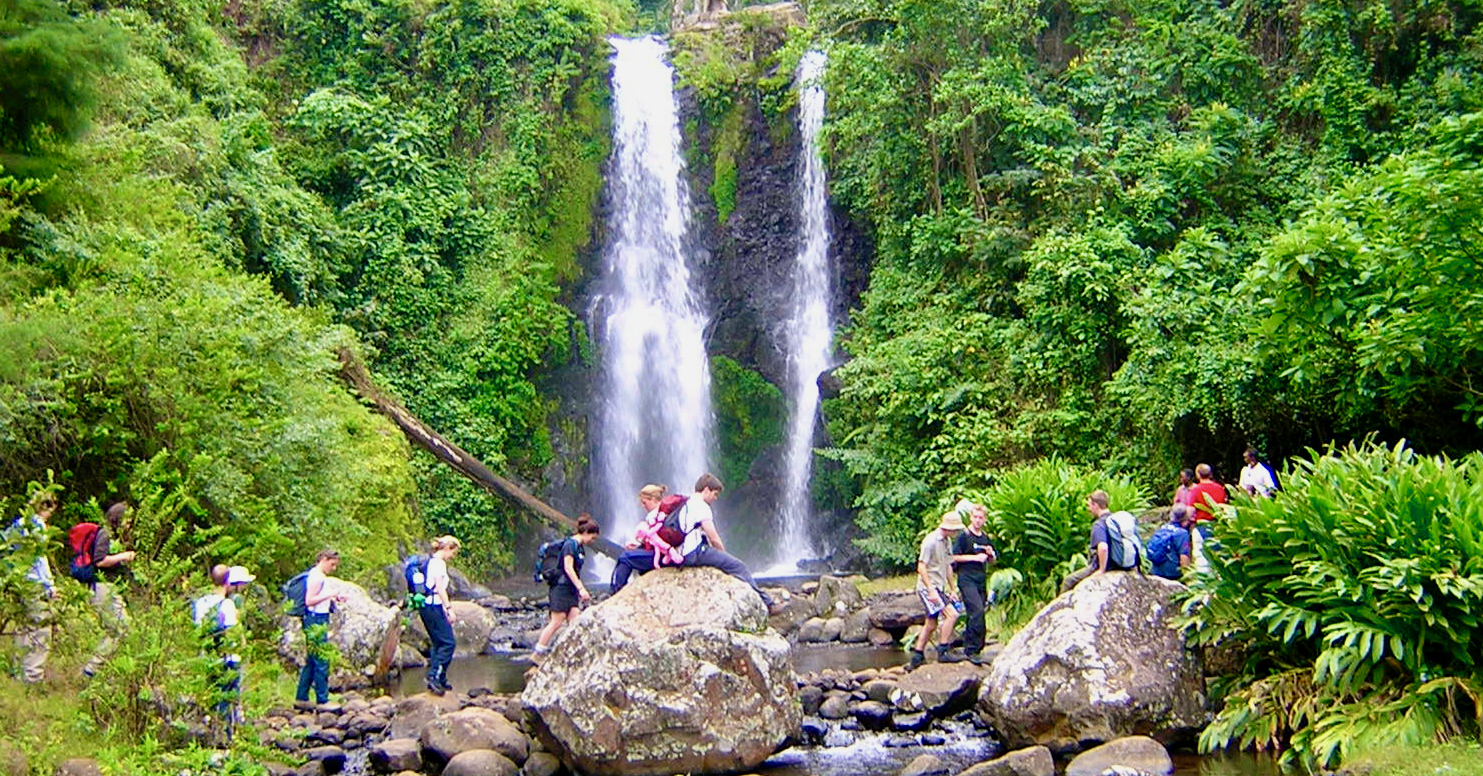
When one evokes the Serengeti, the mind immediately soars to images of wild expanses and vast migrations of animals crossing endless plains. This Tanzanian national park, whose name is derived from the Maasai term “siringet” meaning “the endless plain”, is one of the most renowned ecosystems for observing African wildlife in all its splendour. Whether one is a nature enthusiast, a photographer in search of rare moments or simply looking for adventure, the richness of the Serengeti’s biodiversity promises unforgettable experiences.
The Great Migration: A Wildlife Spectacle
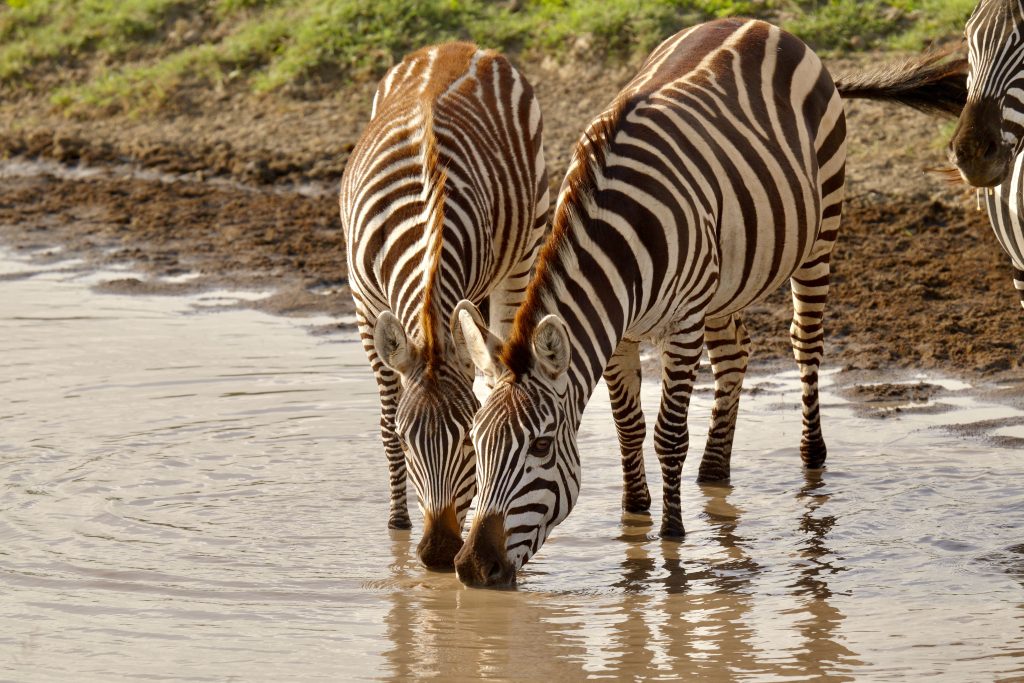
The Great Migration is undoubtedly the Serengeti’s most emblematic phenomenon. More than two million herbivores, mainly wildebeest, but also zebras and Thomson’s gazelles, undertake this annual journey in search of fresh pasture and water. This circular migration takes them across rivers teeming with crocodiles and terrain where predators lie in ambush, offering spectators striking scenes of life and survival.
The Serengeti’s “Big Five”
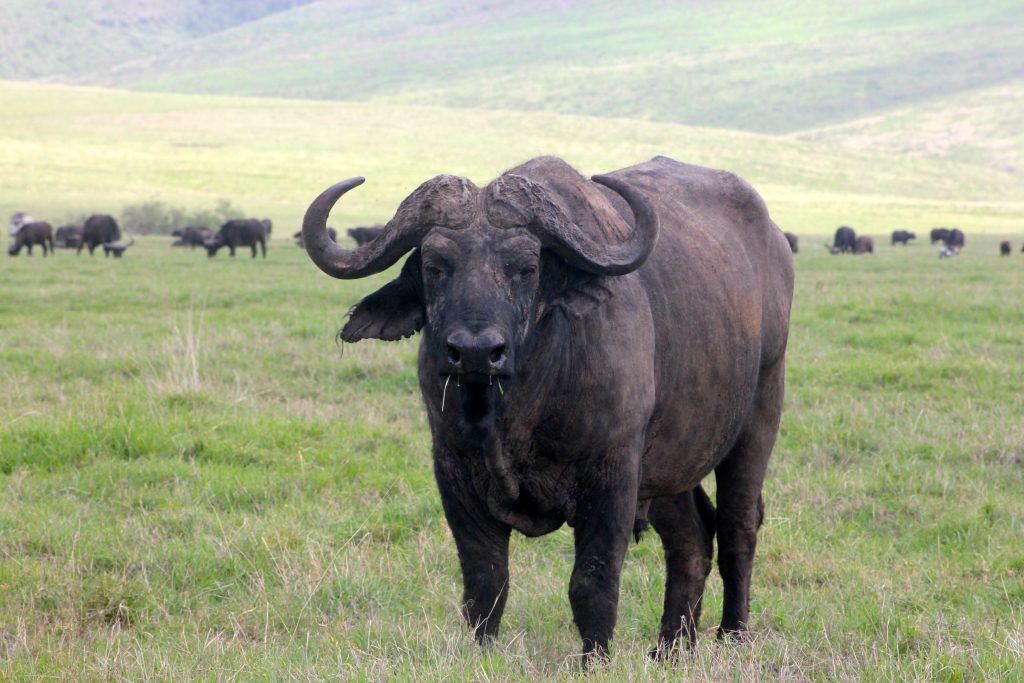
Serengeti is one of the few places on Earth where you can still observe the “Big Five” in their natural habitat. This hunter’s term refers to the five African mammals that are the hardest and most dangerous to track on foot. Fortunately, this hunt has become metaphorical, and the aim is now to immortalise them through the lens of a camera rather than in the sights of a weapon. The “Big Five” are made up of the lion, the leopard, the African elephant, the African buffalo and the rhinoceros.
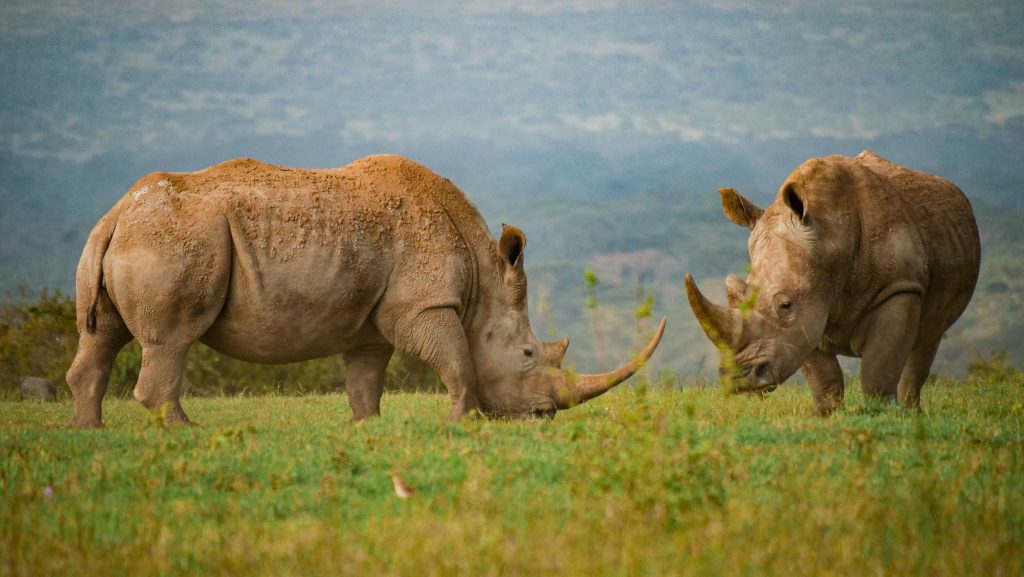
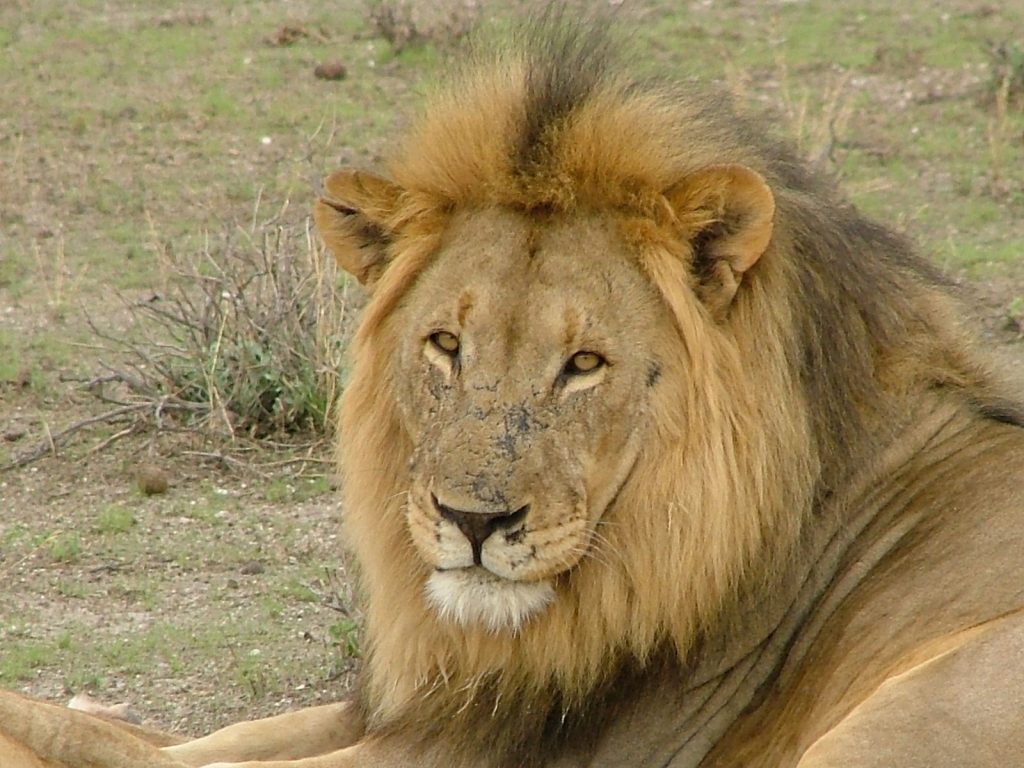
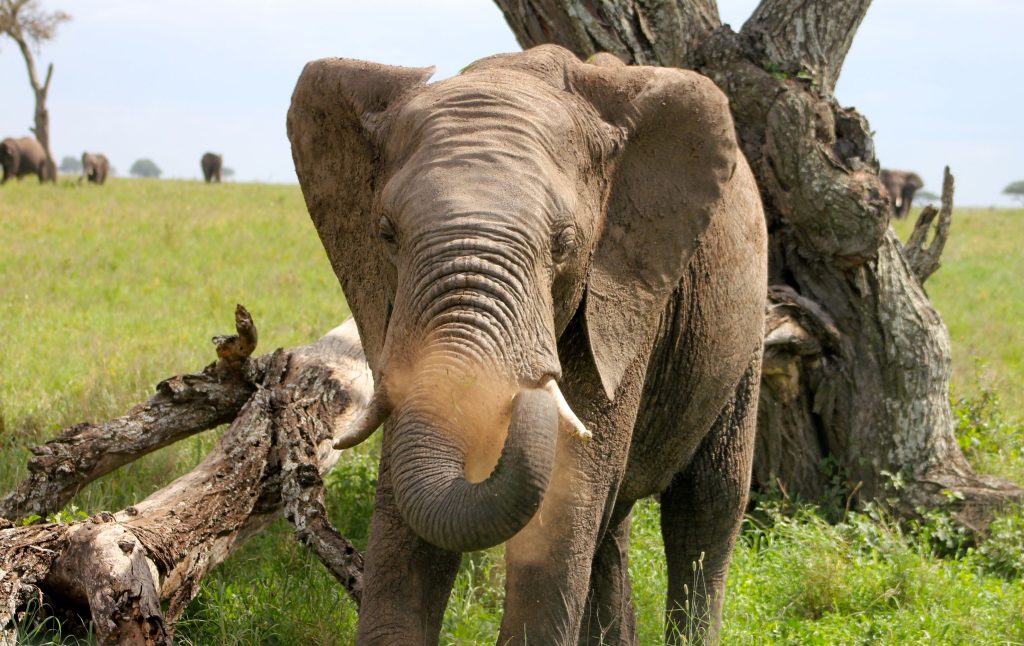
- Lions are relatively easy to spot, especially at dusk or dawn when they are most active.
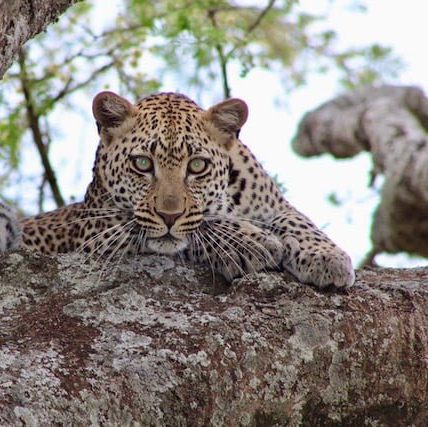
- Leopards, being more solitary and nocturnal, require careful observation and are often found resting in the branches of acacia trees.
- The elephants of Serengeti, majestic creatures, can be seen in herds, strolling peacefully or bathing in one of the park’s many water sources.
- Buffaloes, with their imposing horns and unpredictable nature, are often seen in large herds, particularly around waterholes during the dry season.
- As for the rhinoceroses, particularly the endangered black rhinoceros, they are quite difficult to spot, but remain a possible reward for the most patient and luckiest visitors.
Predators and Players in the Food Chain
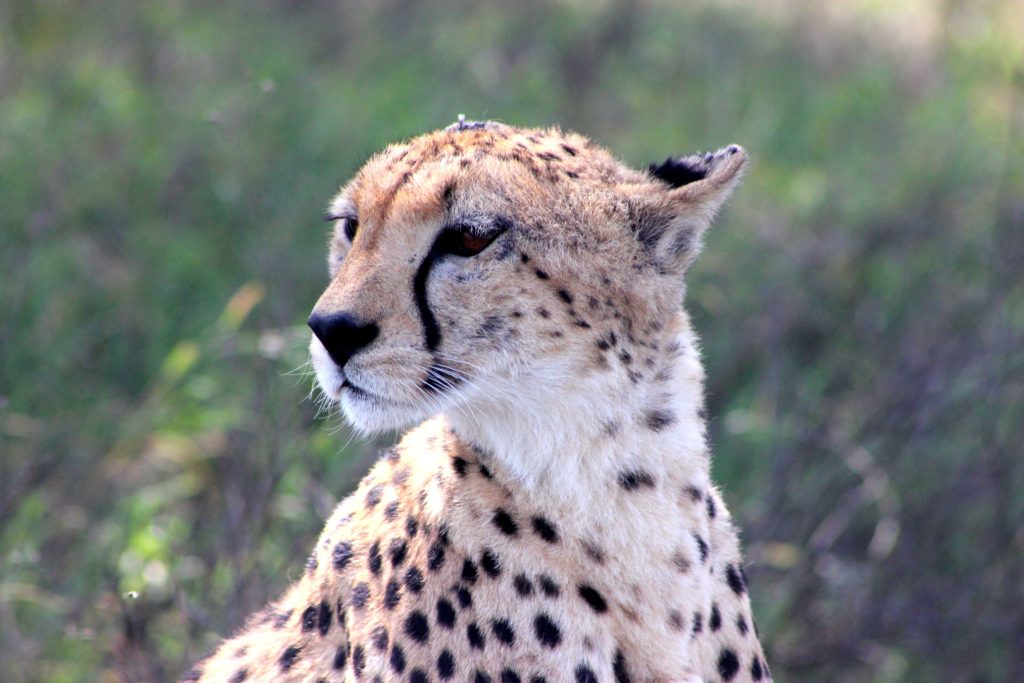
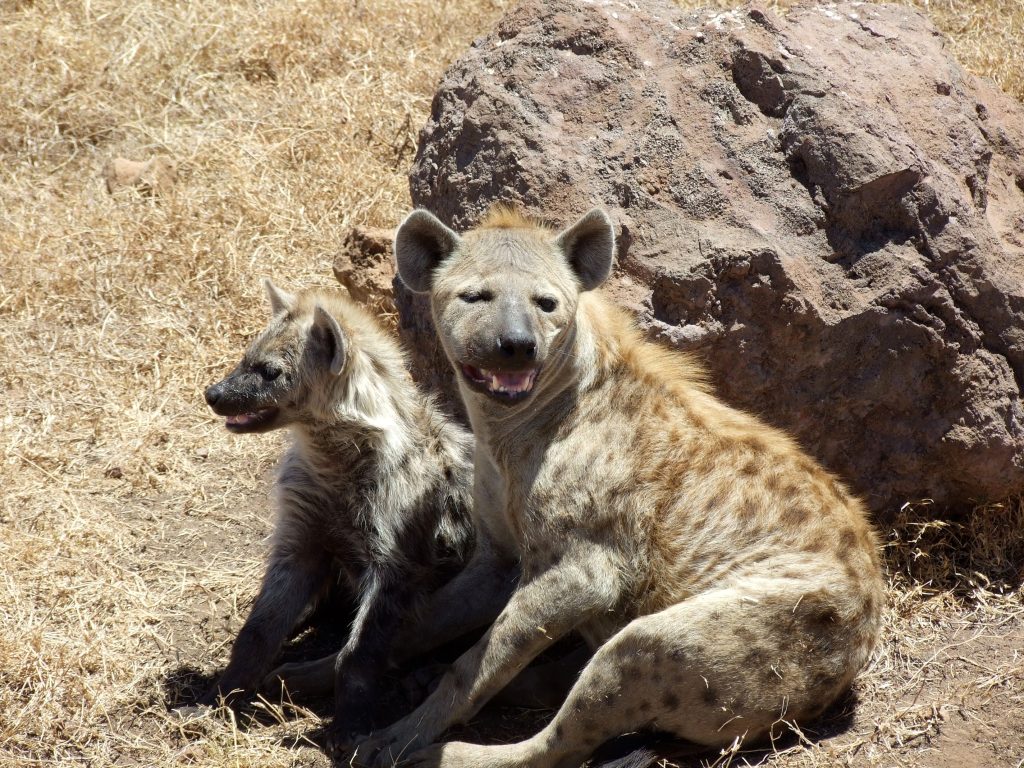
Serengeti is also home to an impressive variety of predators. In addition to lions and leopards, one can observe cheetahs, whose grace and speed while hunting are fascinating. Spotted hyenas and packs of African wild dogs also play a crucial role in the ecosystem as cleaners, consuming the remains left by the larger carnivores.
- Cheetahs, despite their incredible speed, hunt mainly during the day and are therefore more visible at those times.
- Hyenas, although seen as scavengers, are excellent hunters and can be seen in action especially at night.
- Wild dogs, with their interesting social dynamics, although fairly rare, offer a thrilling spectacle when observed hunting in coordinated packs.
The Inhabitants of the Savannah and Aquatic Environments
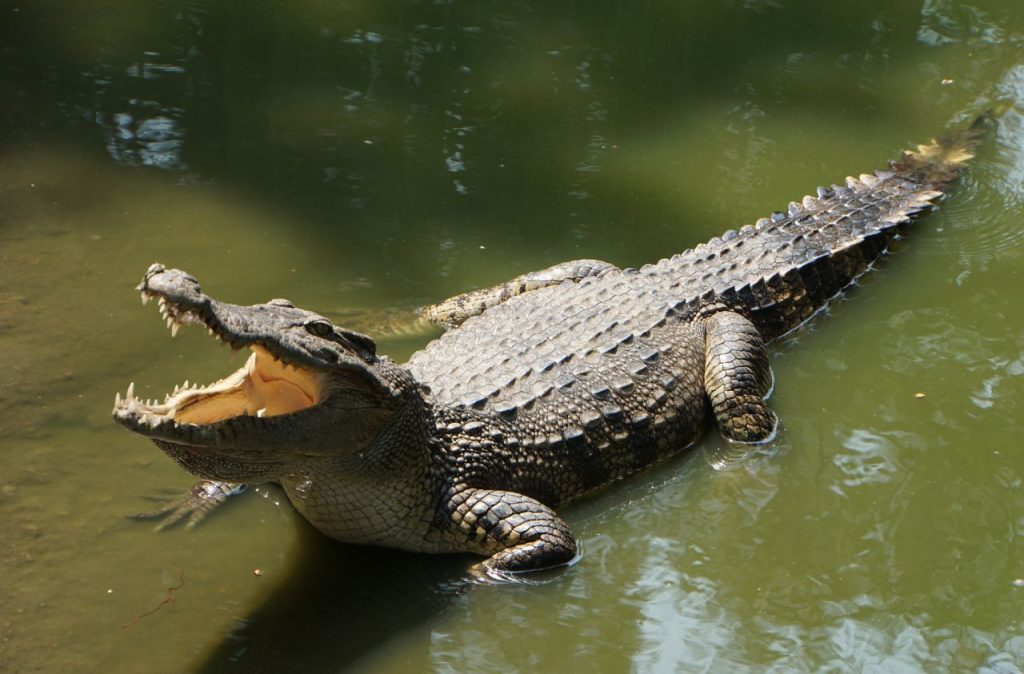
Beyond the great mammals, the Serengeti is teeming with a myriad of other species that contribute to the living tableau of the savannah. From majestic giraffes to hippopotamuses wallowing in the marshes, and Nile crocodiles lurking from the waterways, each animal plays its part in the vast ecosystem.
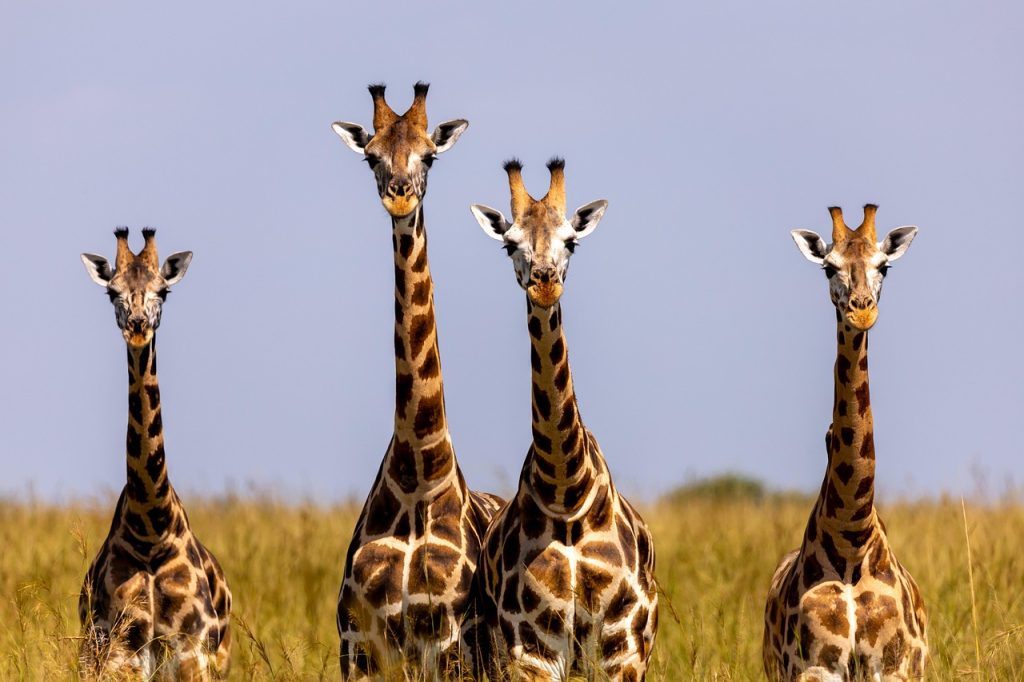
- Giraffes, easily recognisable by their long necks and spotted coats, are often seen browsing the tops of trees.
- Hippopotamuses offer entertaining viewing, especially when they interact within their group in ponds and rivers.
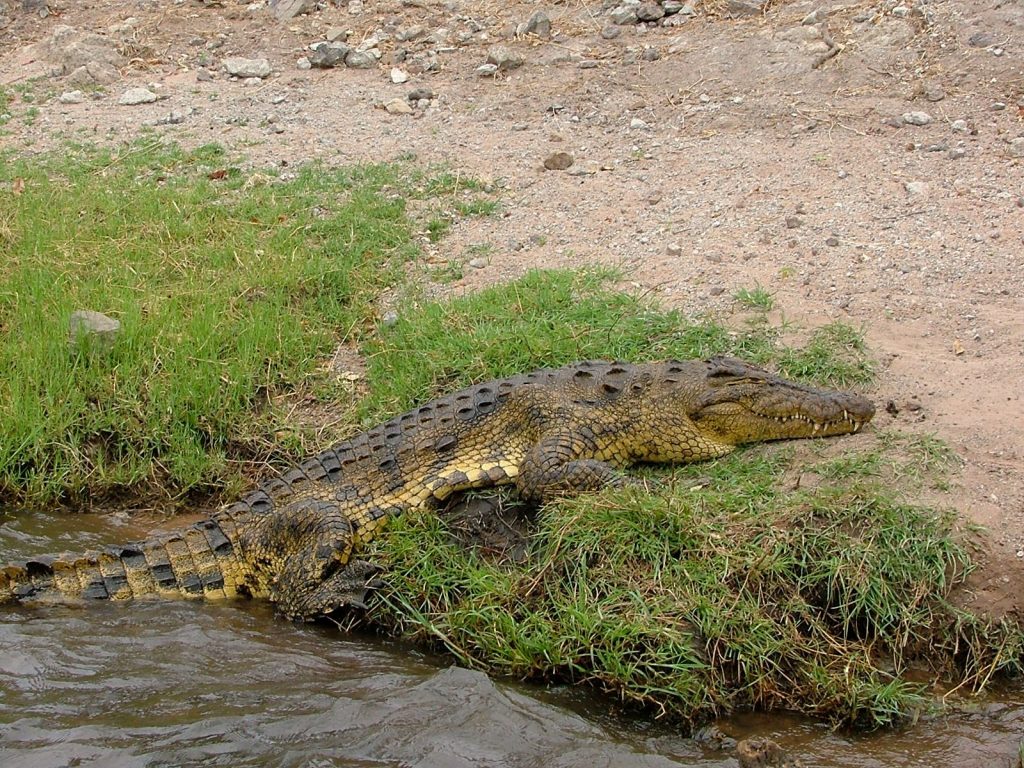
- Crocodiles are the ultimate ambush hunters, remaining motionless for long periods while waiting for an unwary prey to pass by.
Avian Wildlife: A Paradise for Birdwatchers
For bird lovers, the Serengeti is a true haven of peace. With more than 500 recorded bird species, from the tiny, dazzling sunbird to the great vulture, ornithologists, whether professionals or keen amateurs, will be enthralled by the diversity and beauty of the species present.
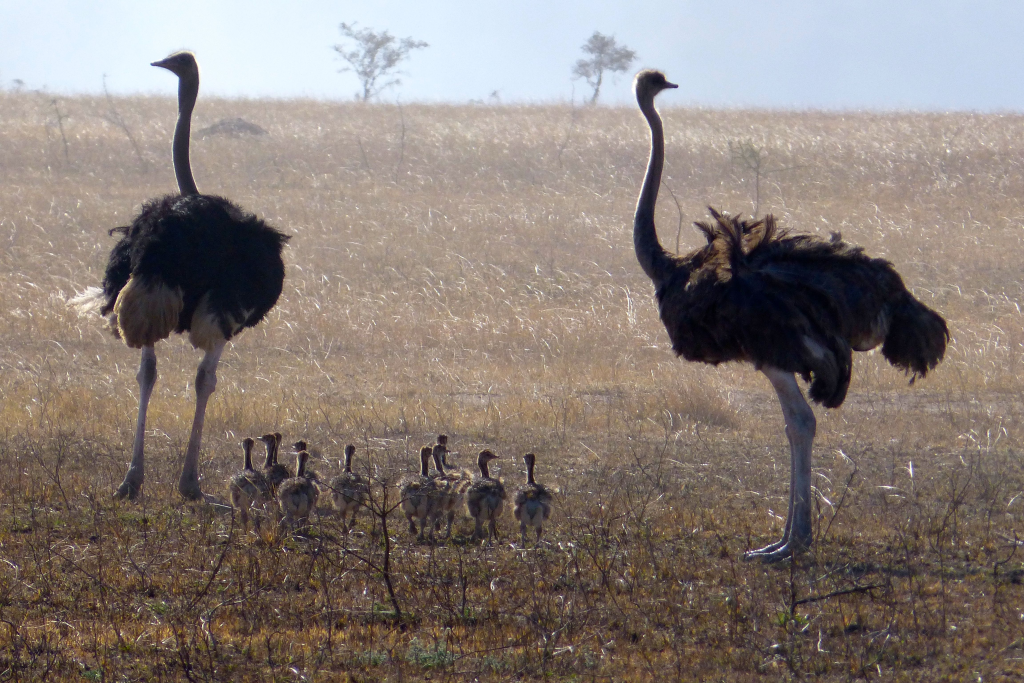
- Watch ostriches, the world’s largest birds, striding across the plains in great leaps.
- Witness the majestic flight of eagles and falcons soaring in search of prey.
- Admire the colourful courtship dance of the bee-eater, a spectacle often synonymous with the mating season.
Conservation and Coexistence
In a world where the preservation of wildlife is becoming increasingly crucial, the Serengeti is both a model of conservation and an example of the fragility of biodiversity. Efforts to maintain this natural habitat and protect the species it shelters are constant. Visitors play an important role in this mission through responsible tourism and raising awareness of the importance of living in harmony with nature.
It is essential to note that the Serengeti is not the only park in Tanzania worth visiting. Another wonder is Tarangire, famous for its seasonal concentrations of wildlife and its imposing baobabs. The national parks in Tanzania hold a treasure trove of discoveries and experiences waiting for adventurous travellers from all walks of life.
The wildlife of the Serengeti therefore offers a window onto a world where nature still dictates its laws, where each species, from the tiniest to the giants of the savannah, forms a living mosaic of unmatched diversity. Exploring the Serengeti means giving yourself the unique chance to be a privileged witness to the harmony, sometimes brutal, always fascinating, that governs African wildlife.