When to go to Tanzania
When to go to Tanzania
Dreaming of going to Tanzania for an adventure safari or an exotic trek in the heart of the wilderness? Choosing the ideal time for this trip is essential if you want to enjoy it to the full.
Off Road Tanzania presents the different seasons and the climate in Tanzania, the best times to go depending on your preferences, as well as practical advice for planning your trip. Whether you want to observe the exceptional wildlife, climb Kilimanjaro or explore the natural wonders of this fascinating country, follow our guide to find out when to go to Tanzania.
The dry season, which runs from June to October, is considered the best time to go to Tanzania. The days are sunny, the temperatures are pleasant and the wildlife is easy to spot. It hardly ever rains and the temperatures are pleasant.
In November, summer arrives, it starts to get very hot and there can be a few showers, especially towards the end of the day; these rains are generally short-lived and the colours are often superb. It is a less busy period, but it also offers good travel opportunities at more affordable prices.
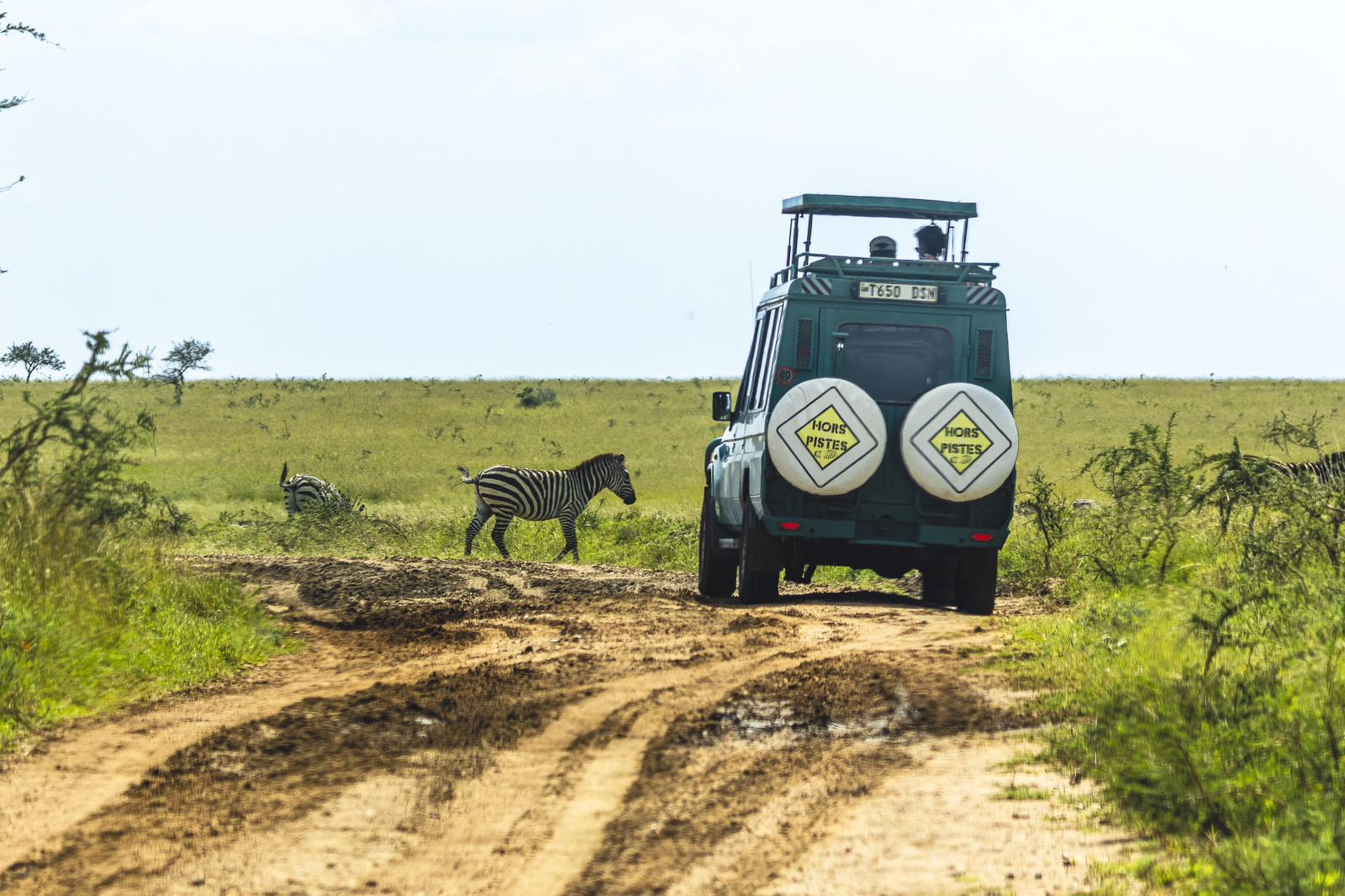
The hot season runs from December to February, and it can get very hot! Best avoided if you are sensitive to high temperatures! This is the time when you can witness the great migration of wildebeest and zebras, which gathers in the south of Serengeti National Park.
The main rainy season lasts from March to May. This is a period when the rains can be heavy and may disrupt certain activities. However, the nature is lush, the landscapes are incredible, and it is an ideal time for amateur birdwatchers who wish to observe migratory birds.
It is important to note that the climate in Tanzania can vary depending on the region. The coastal areas and islands generally have a more humid climate, while the highlands have cooler temperatures. Take these factors into account when choosing the ideal time for your trip to Tanzania.
During the high season (July-August ), national parks such as Serengeti and Ngorongoro are very busy. It is therefore important to book your accommodation and safaris in advance to guarantee your place.
During the low season (mid-March to late May), you will encounter fewer tourists in the national parks and main attractions. However, bear in mind that some parks may be closed during this period because of the weather conditions.
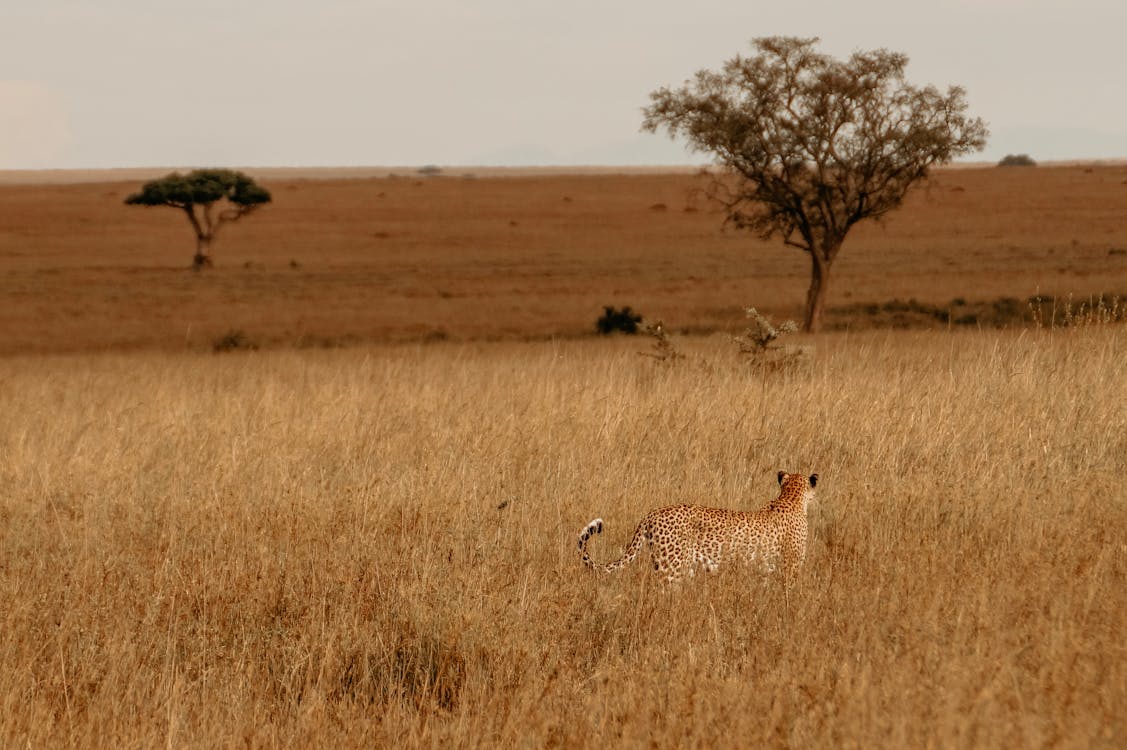
The best times to observe wildlife are generally early in the morning and late in the afternoon. During these times, the light is soft, the temperatures are cooler, and the animals are more active. Morning safaris often offer the best opportunities for sightings.
Set your travel budget and look at the prices of flights, accommodation and activities during the periods you are interested in. The low season can offer more affordable rates, while the high season can guarantee a better safari experience.
To choose the ideal time to go to Tanzania, it is important to take into account the different seasons, the climate, tourist numbers and your personal preferences. The high tourist season offers better weather conditions and exceptional opportunities to observe wildlife, but it can be more expensive and busier. The low season offers more affordable prices and green landscapes, but you will need to be prepared for possible showers.
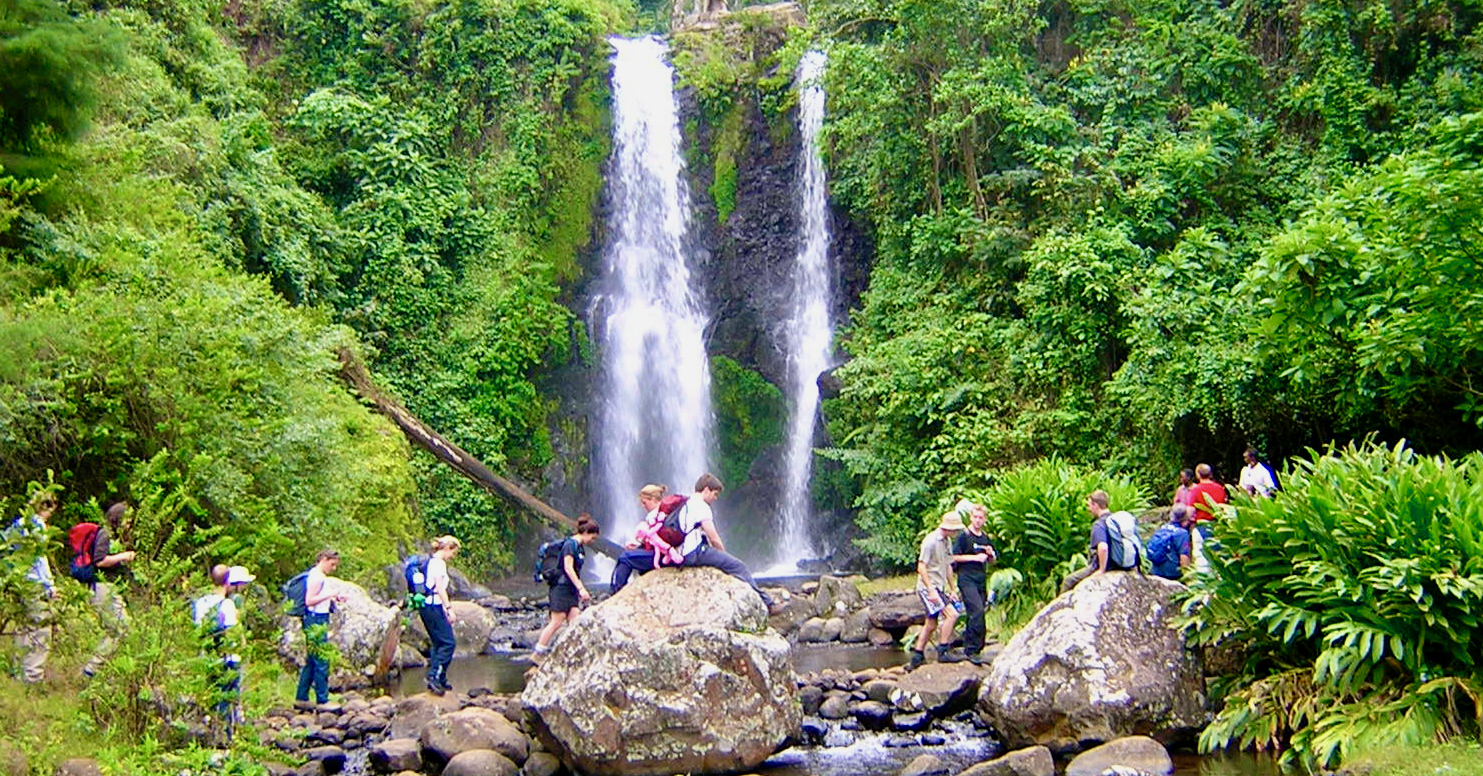
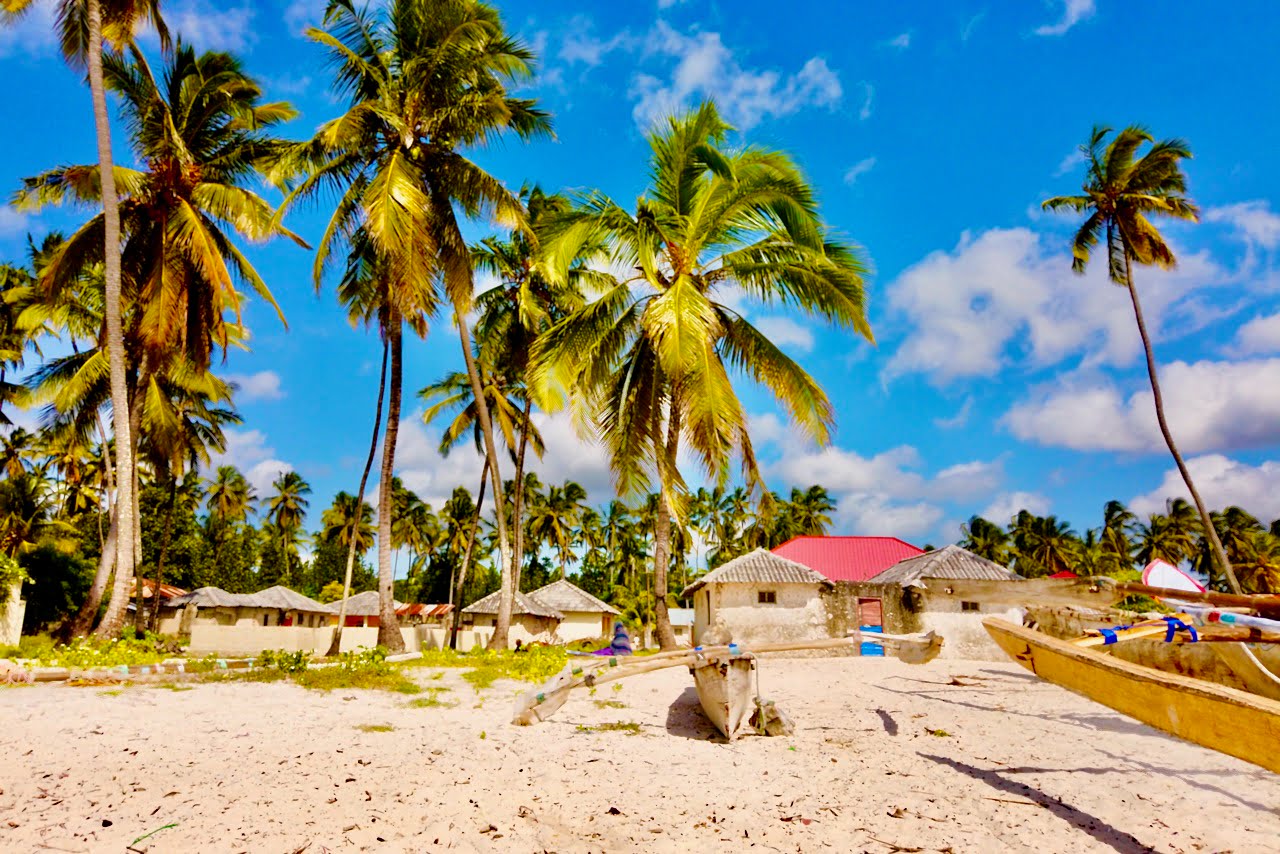
Whether you choose the high season or the low season, you will experience unforgettable moments in Tanzania. Be sure to take into account the specific features of each region when planning your activities, whether that is a safari in Serengeti, a climb of Kilimanjaro or exploring the beaches of Zanzibar.