
To make the most of your adventure trip in Tanzania and Zanzibar, it is essential to know a few basic words and phrases in Swahili. This gentle, welcoming language, spoken mainly in these regions, will help you communicate better with the locals, fit in and enrich your experience. Discover here a detailed plan to learn Swahili simply and effectively before you depart.
An introduction to the Swahili language
Origins and history of Swahili
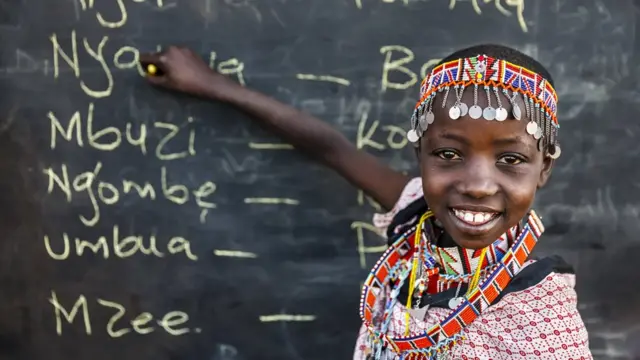
Swahili, or Kiswahili, is far more than a language: it is a genuine cultural bridge between the peoples of East Africa. Its origins date back over 1,000 years, when trade along the East African coast encouraged the meeting of local Bantu cultures and Arab merchants. This blending gave rise to a rich and diverse language, marked by words of Arabic, Persian, Portuguese, English and even German origin. A true witness to this heritage, Swahili is today one of the most widely spoken languages in sub-Saharan Africa, with more than 150 million speakers, and it is adopted as an official language in countries such as Tanzania and Kenya. Travelling through Tanzania, visitors can feel this in the musicality of the language and the warm welcome of its people, making Swahili not only a means of communication, but also a cultural experience in its own right.
Why is Swahili so important in Tanzania?
Why is Swahili so important in Tanzania? Swahili, or Kiswahili, holds a central place in daily and cultural life in Tanzania, beyond its status as an official language. Unlike many African countries where colonial languages dominate, Tanzania chose from independence onwards to promote Swahili as a tool for national unity. Spoken by the overwhelming majority of the population, this language brings together more than 120 ethnic groups with distinct dialects, thus creating a strong bond between Tanzanians. As the language of education, business, the media and administrative institutions, Swahili is a fundamental driver of the country’s development. Learning it is also an essential step for any traveller wishing to discover the human and cultural richness of Tanzania. By adopting a few local expressions, you will fully immerse yourself in the warm and welcoming spirit of the people, while paying tribute to this unique heritage that embodies the very soul of the country.
Swahili: a language of connection and culture
Swahili, as an East African language, is far more than a simple means of communication. It is a powerful key to connecting with the people of Tanzania and Zanzibar, as well as their rich, multi-faceted culture. More than a language, it reflects a philosophy: the deep sense of hospitality and community so dear to Tanzanians. Learning a few simple words such as “Jambo” (hello) or “Asante” (thank you) does more than break down the language barrier; it opens the door to a rare authenticity in your interactions. The musicality of Swahili tells the story of the peoples who shaped this region, and speaking the language, even in a modest way, is seen as a sign of respect and genuine interest in the local culture. Every interaction then becomes an opportunity not only to better understand customs and traditions, but also to forge deeply meaningful human connections, making your journey even more exceptional.
The first steps to learning Swahili
Basic words to get started
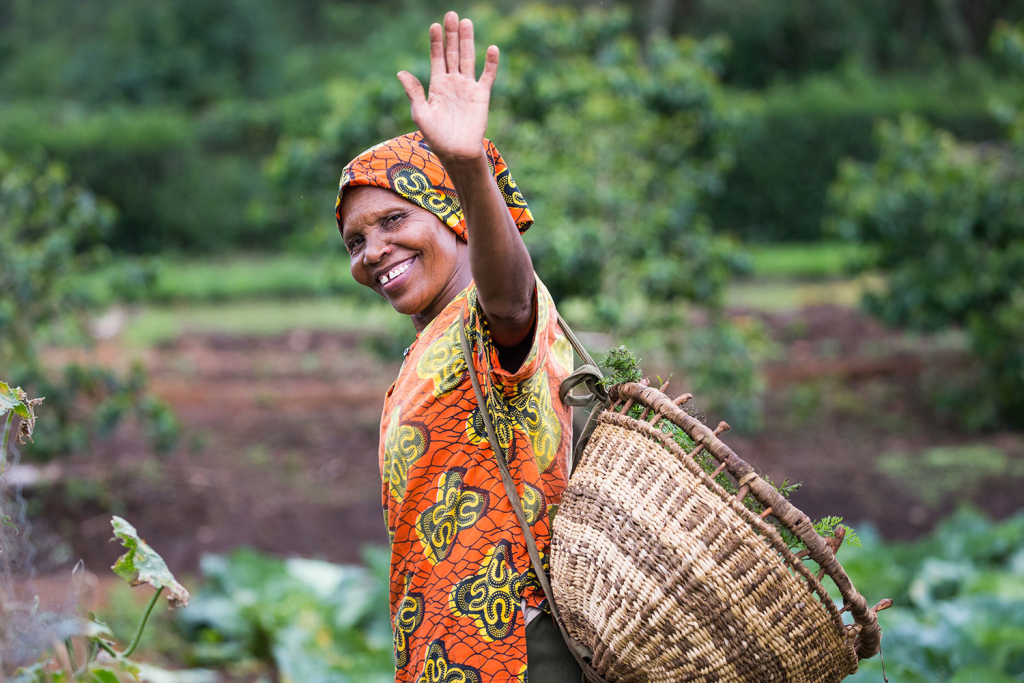
To begin your Swahili language adventure, it is essential to become familiar with the most useful expressions in everyday life. These simple words and phrases will help you communicate during your everyday interactions in Tanzania or Zanzibar. Here are some essentials: Jambo (hello), Asante (thank you), Habari (how are you?), Pole pole (slowly), and Hakuna Matata (no problem). These commonly used terms bring a warmth and friendliness that is characteristic of your exchanges. By using them, you will not only show your respect for the local culture, but you will also create precious moments of exchange with the locals. Once you have mastered these basics, you will be ready to explore more deeply the subtleties of this remarkable language and feel its full cultural resonance during your stay.
Greetings and common expressions
In Tanzania, greetings are much more than a simple exchange of words: they embody a true way of life, steeped in respect and friendliness. Common phrases such as “Hujambo?” (how are you?) or its simplified variant “Jambo” are an excellent way to start a conversation by creating a warm atmosphere. Reply with “Sijambo” (I am well) to say that everything is fine, or alternatively, ask after your interlocutor with “Na wewe?” (and you?). To say thank you, a simple “Asante” will do, while “Asante sana” expresses deeper gratitude (“thank you very much”). If someone greets you with “Habari?”, which means “what’s new?” or “how are you?”, reply with “Nzuri” (good) or “Salama” (at peace), depending on how you feel. These simple words, intertwined with smiles, form the basis of rich exchanges that will connect you instantly with the locals, making your interactions as authentic as they are memorable.
Understanding the simple structure of Swahili
One of the reasons why Swahili is accessible to beginners is its relatively simple and regular grammatical structure. Unlike other languages, there are no declensions or genders (no distinction between masculine and feminine), which considerably simplifies learning. Sentences follow a clear structure: subject-verb-object, like French. For example, to say “I see a lion”, you say “Ninaona simba”, where “ni” means “I”, “naona” means “see”, and “simba” means “lion”. In addition, verbs in Swahili are conjugated using prefixes to indicate tense, such as “na” for the present or “li” for the past. This consistent logic not only makes memorisation easier, but also quickly provides the tools needed to form functional sentences. Mastering this basis will allow you to express yourself simply but effectively, making your interactions with the locals even more rewarding.
Exploring Swahili thematic vocabulary for your journey
List: Essential vocabulary for a safari
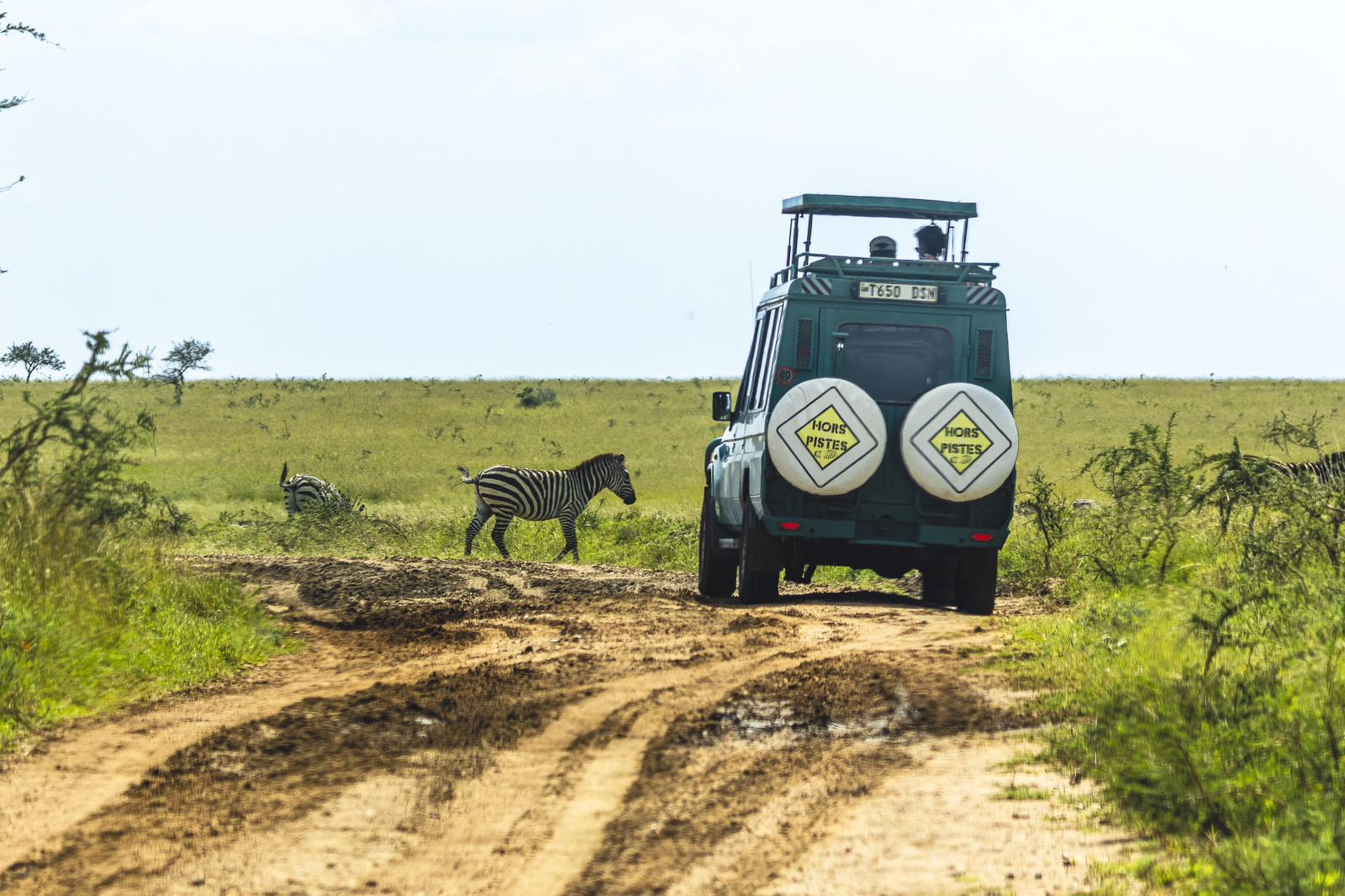
During a safari in Tanzania, knowing a few key words and expressions in Swahili can transform your experience and enrich your interactions with your guides and the locals. Here is a practical list of vocabulary specially designed for safari lovers:
- Simba : Lion
- Tembo : Elephant
- Kifaru : Rhinoceros
- Twiga : Giraffe
- Pundamilia : Zebra
- Duma : Cheetah
- Kiboko : Hippopotamus
- Nyati : Buffalo
- Boma : Traditional village
- Safari : Journey (the Swahili word itself!)
- Msitu : Forest
- Mto : River
- Jua : Sun
- Nyasi : Grass
In addition to the names of iconic animals, you may also hear expressions such as “Twende” (let’s go) from your guide, or “Tazama” (look) to invite you to spot an animal. By using a few of these words during your safari, you will not only show your interest in the language and culture, but also fully appreciate the natural wonders of Tanzania.
Useful words for exploring Zanzibar
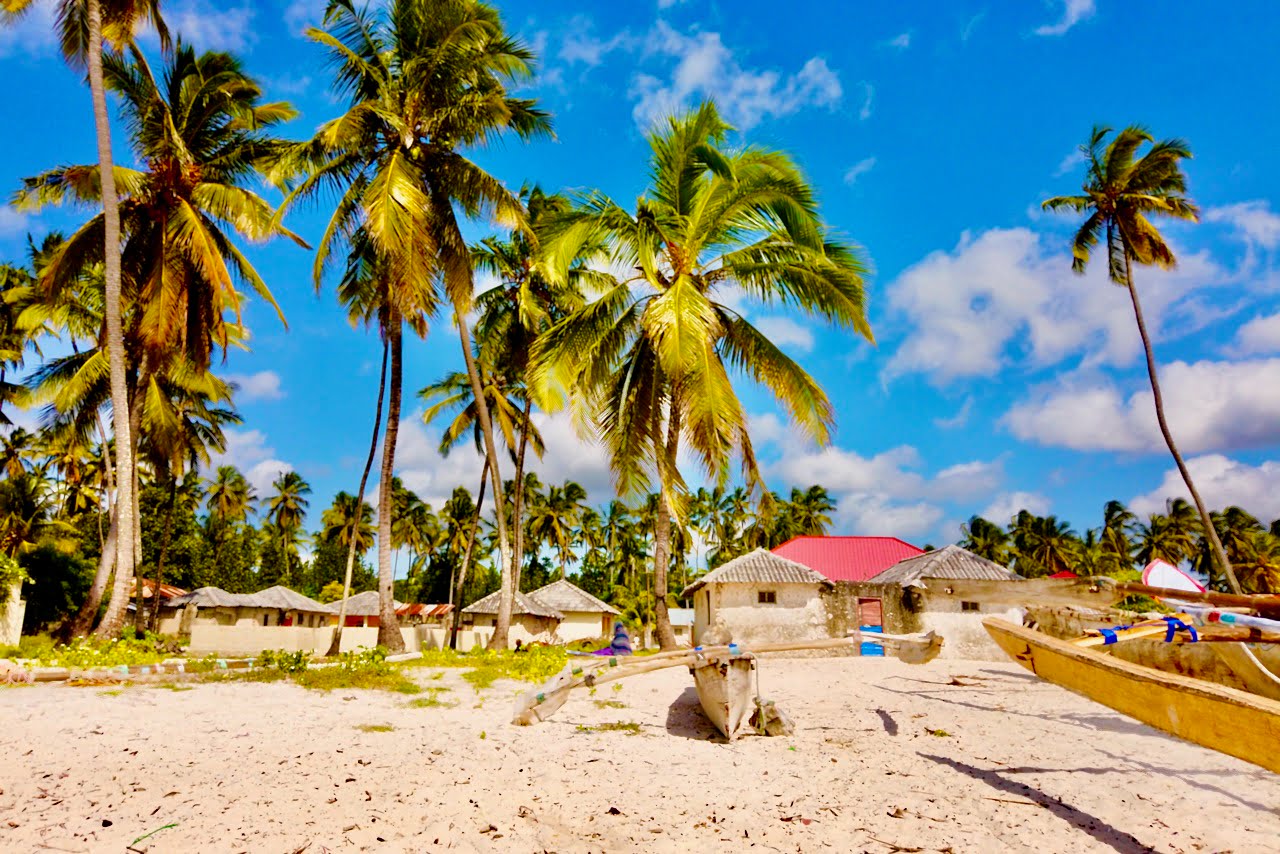
Exploring Zanzibar means immersing yourself in a rich culture where words take on a special flavour. Learning a few key expressions in Swahili will allow you to build genuine connections with the people of this paradisiacal island. Here are some essential terms for your adventures: “Karibu” (welcome), often accompanied by a big smile, is perfect for breaking the ice. When you meet people at the market, the expression “Bei gani?” (how much does it cost?) will often be useful for bargaining in a friendly way. On your walks along the beach or in the villages, a simple “Nzuri sana” (very good, thank you) in response to a “Habari?” (how are you?) will be enough to brighten the exchange. Finally, if you are charmed by a view or a moment, do not hesitate to say “Nzuri kabisa” (absolutely beautiful) to share your enthusiasm. By learning these simple words, you will be better equipped to fully experience everything Zanzibar has to offer, beyond the dream beaches and heady spices. Every word spoken in the local language is an open door to memorable experiences and a closeness with the people of Zanzibar, generous and welcoming by nature.
Vocabulary related to food and local markets
Exploring local markets in Tanzania or Zanzibar is a true immersion in the country’s daily and cultural life. Whether it is tasting exotic tropical fruit or chatting with traders, knowing a few Swahili words related to food can enrich your experience. On the bustling stalls, you will hear words such as “Matunda” (fruit) or “Mboga” (vegetables). Do not miss the chance to taste the famous “Ndizi” (banana) or the sweet “Embe” (mango). To ask the price, use the expression “Bei gani?” (How much does it cost?), and if you would like more, say “Ongeza tafadhali” (Add more, please). Local cuisine is full of unique flavours such as “Pilau” (spiced rice) or “Chapati” (flatbread). Lastly, when speaking with cooks or vendors, a simple “Asante sana” (thank you very much) and a smile will always help create a warm and welcoming atmosphere. Familiarise yourself with these words, and each market visit will become a feast for the senses and for genuine exchanges with Tanzanians.
Expressions for treks and outdoor adventures
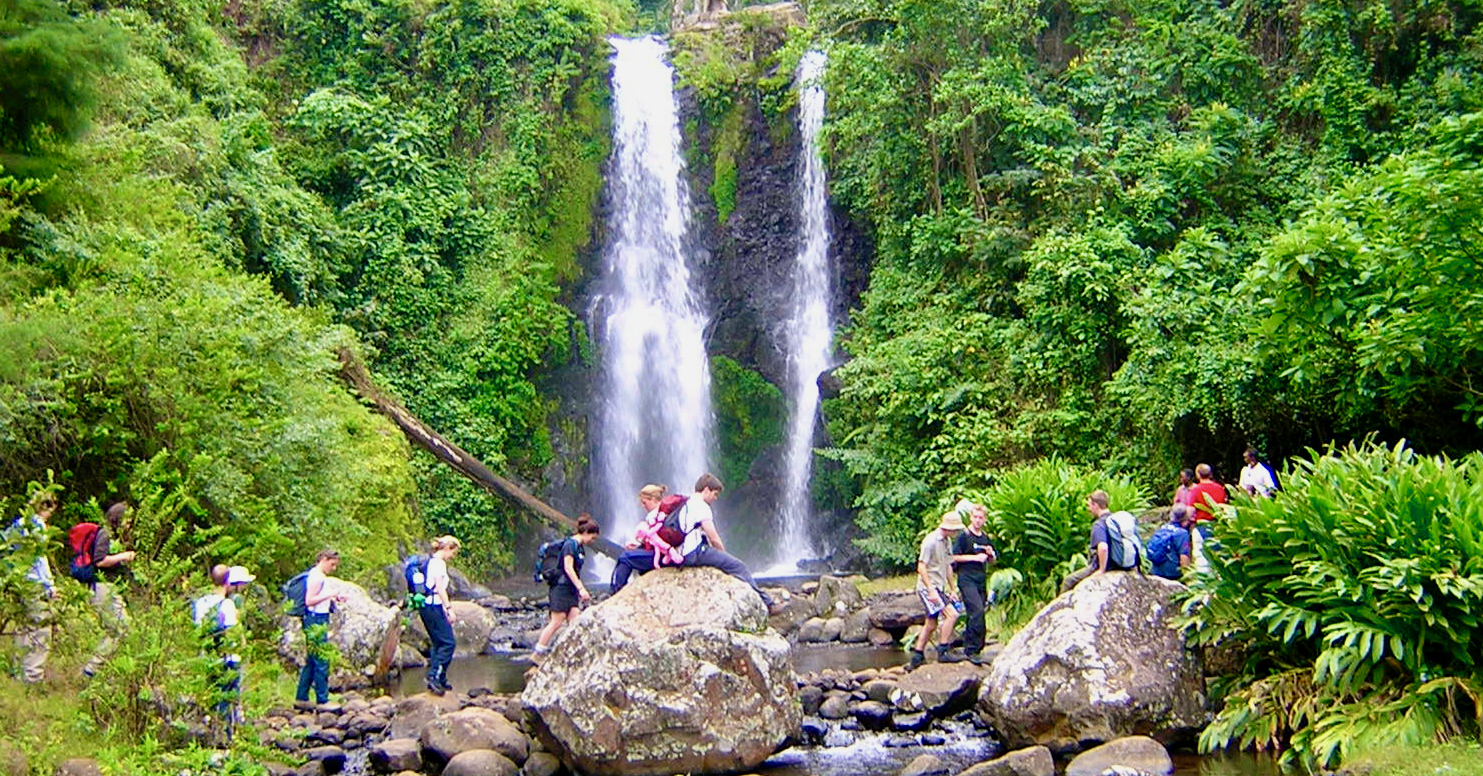
Whether you are undertaking the legendary ascent of Kilimanjaro or exploring the wild trails of Tanzania’s national parks, knowing a few expressions in Swahili can enrich your adventures in the great outdoors. Imagine yourself at the foot of Kilimanjaro, welcomed by your guide who says enthusiastically “Twende juu!” (Let’s go to the summit!). Or, during a well-earned break, hearing “Pole pole” (slowly, slowly), a local mantra that reminds you of the importance of savouring each stage of the journey. In the vast landscapes, words such as “Mlima” (mountain), “Maji” (water) or “Mbingu” (sky) take on their full meaning as you connect deeply with nature.
On treks, you may also hear encouragement such as “Hakuna matata” (no problem) or “Subira” (patience), precious terms for keeping a calm spirit in the face of challenges. Learning simple expressions such as “Msimu mzuri” (beautiful season) or “Mazingira safi” (clean environment) can also help you better understand and share local people’s love for their environment. Inspired by these words, your hikes and treks become much more than a physical exploration: they become a dialogue with the raw beauty and essence of Tanzania.
Techniques and tips for learning quickly
Why learn spoken language before written language?
Learning a language orally before delving into the written form offers many advantages, especially when it comes to Swahili, a lively and expressive language. Speech is at the heart of human interaction and forms a true cultural bridge, making it possible to establish a connection with local people quickly. In Tanzania, informal exchanges and greetings are essential in everyday interactions. By mastering a few simple expressions such as “Jambo” (hello) or “Asante sana” (thank you very much), you will be able to move around more easily in busy markets, villages or even on your safari.
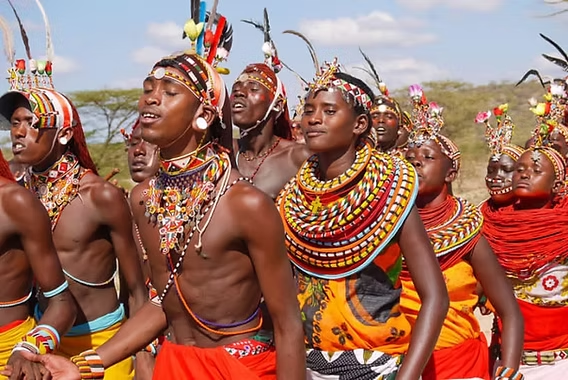
Moreover, prioritising oral learning will help you to grasp the local nuances, such as intonation and rhythm, which give Swahili all its musicality. This will enrich your human exchanges, which are often more spontaneous in speech than in writing. Finally, this active learning method will enable you to gain confidence quickly in your interactions, making your trip to Tanzania or Zanzibar more engaging and authentic from the very first days. Once these oral foundations are in place, you will be able to develop your written skills more easily, further enriching your linguistic and cultural discoveries.
The best methods for memorising vocabulary
To enrich your trip to Tanzania or Zanzibar, learning and memorising Swahili vocabulary is a key step towards authentic exchanges. Several effective techniques can help you in this process. First, use spaced repetition, a method involving regularly reviewing your key words at strategic intervals in order to cement this knowledge in your memory over the long term. Apps such as Anki or Memrise can make this practice much easier. Next, integrate vocabulary into your everyday life through concrete situations: for example, by repeating the words for the iconic animals of a safari, such as simba (lion) or twiga (giraffe). Associating words with images or emotions makes them more vivid and enjoyable to memorise. Mind maps are also very useful for organising specific themes, such as food, nature or greetings. Finally, practise directly with native speakers, سواء online or during your interactions in Tanzania; hearing and using expressions such as Asante (thank you) or Karibu (welcome) will help you anchor the language in a real context. These learning experiences connect you instantly to the local culture, making your travel experience even more memorable and enriching.
List: Interactive activities to develop your skills
Enriching your skills on an adventure trip in Tanzania and Zanzibar is not limited to admiring grand landscapes or encountering impressive wildlife. It is also an opportunity to take part in interactive activities that combine discovery, practical learning and cultural immersion. Here is a list of ideas to make your experience even more memorable:
- Culinary learning: Take part in workshops where you will learn to prepare and taste traditional Tanzanian dishes, such as spicy rice “Pilau” or Chapati. A delicious and authentic adventure!
- Introduction to the Swahili language: Interactive learning sessions with local guides to master practical phrases in Swahili can transform your everyday exchanges.
- Wildlife participation: Accompany a naturalist guide to understand the behaviour of bush animals. Observe, ask questions and learn tips for identifying the species hiding in the savannah.
- Visit to local farms: Explore spice plantations in Zanzibar or agricultural cooperatives in Tanzania. Get involved in activities such as harvesting or identifying exotic spices.
- Cultural exchanges: Contribute to local projects by visiting an orphanage or taking part in craft workshops to create your own souvenirs, such as Massai beads or printed fabrics.
- Introduction to traditional dances: Join a community to learn local dances to the enchanting sounds of African music. A fun way to immerse yourself in Tanzanian culture.
- Stargazing: On an evening at a bivouac, let your guide introduce you to local astronomy, where constellations and African mythological tales meet.
- Sessions with tracker guides: Learn to recognise the footprints, sounds and signs left by animals during treks or walking safaris.
These interactive activities are not just moments of learning; they create priceless human connections and make it possible to experience unique and transformative moments. Together, they make your trip an opportunity for personal growth and an unforgettable memory.
Tips for practising Swahili in everyday life
Practising Swahili every day, whether before or during your trip to Tanzania and Zanzibar, can be a rewarding and enjoyable experience. To reinforce what you have learnt, try incorporating this beautiful language into your everyday activities. For example, replace some English words with their Swahili equivalent: say “Asante” (thank you) or “Karibu” (welcome) in your usual interactions. You can also listen to songs or podcasts in Swahili, which are ideal for improving your listening comprehension while discovering East African culture. Another tip is to keep a notebook and jot down new words you learn through your encounters or reading. Finally, why not practise directly with native speakers? Online platforms or apps such as Tandem will allow you to exchange with Tanzanians with ease. These small daily exercises make learning feel natural and will prepare you to interact with local people during your stay, creating authentic and memorable moments of exchange.
The essential resources for mastering Swahili
Applications mobiles et plateformes en ligne
To learn Swahili or deepen your knowledge before your trip to Tanzania or Zanzibar, a selection of mobile apps and online platforms can prove particularly useful. Among the most accessible solutions, apps such as Duolingo, Busuu and Memrise offer interactive courses designed to build basic vocabulary, improve pronunciation, and even revise through quick, engaging daily exercises. For those who want to go further, platforms such as italki make it possible to practise directly with native speakers, an excellent way to immerse yourself in the language and refine your accent. More adventurous travellers can opt for specialist modules, such as on SwahiliPod101, which focus on specific cultural contexts – ideal for understanding the subtleties of local interactions. Alongside these tools, YouTube is full of dedicated channels which, in addition to free language lessons, introduce Tanzanian culture through immersive videos. Using these modern solutions is not only practical: it is also a fun way to expand your skills while familiarising yourself with Swahili, enriching your travel experience even before departure.
Table: Recommended books for learning Swahili
For those who prefer traditional learning and want to deepen their knowledge of Swahili, books dedicated to this language are a valuable resource. Whether you are a beginner or keen to improve your skills, these works will guide you step by step. Here is a selection of popular books designed to meet different needs:
| Book title | Level | Description |
| “Colloquial Swahili: The Complete Course for Beginners” | Beginner | Ideal for novices, this book offers accessible, progressive lessons accompanied by audio to improve your listening and pronunciation. |
| “Teach Yourself Swahili” | Beginner to intermediate | A practical guide with everyday dialogues, perfect for mastering basic vocabulary and building simple sentences. |
| “Simplified Swahili” | Intermediate | A clear and comprehensive grammatical focus, ideal for those who wish to deepen their understanding of the language’s structures. |
| “Swahili Grammar and Workbook” | Intermediate to advanced | A valuable tool that combines grammatical theory and practical exercises, perfect for consolidating your foundations and preparing for more complex conversations. |
| “Kamusi ya Kiswahili-Kiingereza / Swahili-English Dictionary” | All levels | An indispensable bilingual dictionary for enriching your vocabulary and understanding the cultural nuances of words in context. |
By incorporating these resources into your preparations, you will benefit from a solid linguistic foundation for speaking with locals during your trip to Tanzania or Zanzibar. These rich and varied books will also offer you cultural immersion through the language, for an even more complete and authentic experience.
Films and songs in Swahili to improve while having fun
Learning Swahili can easily become a fun and immersive activity thanks to the cinematic and musical treasures of Tanzanian culture. Swahili-language films, such as “Mwezi wa Wanga” or “Maangamizi: The Ancient One”, offer a captivating insight into society, traditions and local stories, while familiarising you with everyday spoken language. On the music side, diving into hits by icons of the East African scene such as Diamond Platnumz, Ali Kiba and Lady Jaydee is an excellent way to improve your listening skills while discovering the cultural richness of the region. Popular songs such as “African Beauty” or “Inama” are full of everyday expressions and catchy rhythms that make learning particularly enjoyable. Do not hesitate to sing along to the lyrics or translate them to understand the meaning. Whether you are comfortably settled in front of a film or dancing to a Swahili hit, these immersive methods will help you make progress naturally, while connecting deeply with the vibrant soul of Tanzania and Zanzibar.
Online and in-person courses: a structured approach
For Off Road Tanzania travellers wishing to deepen their knowledge of Tanzania, Swahili or the tips for a successful trek, combining online and in-person classes can prove to be a particularly effective approach. Online, the sessions offer the flexibility to progress at your own pace, even before departure. Thanks to interactive tools such as immersive videos, quizzes or discussions with experts, you can already familiarise yourself with the basics of Swahili or the safety rules for safaris. Once on site, in-person classes make it possible to complement this virtual learning in a lively and practical way. Our local guides and escorts organise personalised sessions where you can actively practise: perfect your Swahili vocabulary in a local market, take a short course on the ecosystems you will cross, or receive tailored advice for climbing Kilimanjaro. Using this dual approach not only maximises your cultural immersion, but also optimises your preparation so you can fully experience the magic of your adventure in Tanzania and Zanzibar.
The benefits of learning Swahili for your trip
Creating authentic connections with Tanzanians
Travelling in Tanzania is not limited to exploring exceptional landscapes or observing impressive wildlife. It is also an opportunity to create genuine bonds with local people, which will enrich your experience beyond the tourist discovery. The warm welcome of the Tanzanians, rooted in the philosophy of “Ujamaa” (solidarity and brotherhood), invites sincere and memorable exchanges. Whether during a chat in a colourful market, a shared meal in the heart of a village or informal conversations with your guide on a safari, every interaction is a precious window onto their rich and diverse culture. By taking the time to learn a few words in Swahili or to take an interest in local customs, you show your respect and your willingness to understand their daily lives. These simple but meaningful gestures pave the way for moments of authenticity, marked by smiles, anecdotes and a human connection that will stay with you long after you return home. For in Tanzania, travelling “off the beaten track” means above all going to meet the soul of the country: its people and their incredible hospitality.
Access exclusive off-the-beaten-track experiences
With Off Road Tanzania, set off to discover a Tanzania that does not reveal itself at first glance. This unique off-the-beaten-track approach opens the door to exclusive experiences, carefully designed to capture the country’s authentic, wild essence. Imagine a bivouac beneath a star-studded sky in the heart of Serengeti, where only the sounds of nature accompany your nights, or a cultural immersion alongside the inhabitants of a Maasai village, far from the traditional routes. These privileged moments are the result of in-depth local knowledge and a genuine partnership with expert local teams, ready to personalise every detail of your stay. Whether you dream of a tailor-made 4×4 safari, a unique trek on the slopes of Kilimanjaro or a peaceful escape on the secret beaches of Zanzibar, every experience is designed to exceed your expectations. Explore the unexplored, step outside your comfort zone and discover lesser-known corners of Tanzania with passionate guides, for a journey that will leave a lasting impression on your memories. With Off Road Tanzania, adventure is lived intensely, in all its singularity.
Understanding local customs and traditions
Immersing yourself in the local customs and traditions of Tanzania and Zanzibar is an essential way to bring deep cultural resonance to your journey. As you explore these places, you will often be greeted with the famous “Karibu” (welcome) or invited to share a meal of traditional food, a key gesture expressing Tanzanian hospitality. Each region has its own cultural characteristics, from the rhythmic dances of the Maasai to the ancestral stories of the Chagga people, not to mention the unique Swahili celebrations along the coasts of Zanzibar. Taking part in these rituals or gatherings, even simply as a respectful observer, not only helps you to better understand the history and values of these communities, but also to build unforgettable human connections. By joining, for example, a Maasai boma ceremony or tasting a pilau accompanied by local chai, you will sense a vibrant authenticity that goes beyond the pages of a guidebook. Respecting customs and traditions, understanding the gestures, words and symbols that accompany them, means embracing the soul of the country, while travelling with an open and engaged mindset. In this way, every encounter becomes a memory etched in the mind, turning your trip into a unique human and cultural experience.
Feeling more comfortable and safe while travelling
Travelling in Tanzania and Zanzibar with the Off Road Tanzania agency means setting off on a carefully managed adventure, where safety and peace of mind take centre stage. Thanks to their hands-on experience and a passionate local team, Gary and Jonathan have built a reliable organisation that anticipates every detail so you can make the most of your journey. We provide you with fully maintained 4×4 vehicles, driven by expert driver-guides who are equally skilled in mechanics and local knowledge, ready to deal with any situation. In addition, constant communication is maintained between our teams thanks to the onboard VHF/SSB radios, ensuring effective coordination even in the most remote areas. On top of that, your stays and tours are planned with care to strike a balance between discovery and comfort, whether during wild camping in the great outdoors or in our well-equipped lodges. All this, combined with the support of our attentive advisers and briefings before each departure, allows you to travel with complete peace of mind, knowing that every aspect of your adventure has been designed to maximise your safety and wellbeing. With Off Road Tanzania, explore Tanzania with confidence, ready to experience unforgettable moments.
List of expressions that will make Tanzanians smile
Funny key phrases to slip into your conversations
To enjoy an even more authentic immersion during your trip to Tanzania or Zanzibar, it can be fun to introduce a few original local expressions into your conversations. Not only will they bring warm smiles from the locals, but they will also add a playful touch to your exchanges. Here are a few phrases to remember to surprise the people you speak to: start with “Pole pole” (slowly, slowly), a very Tanzanian mantra for appreciating life at its own pace. If you would like to say thank you with humour, try “Asante kwa chakula kitamu kama nyota” (thank you for this meal, as delicious as a star) – a compliment that is sure to please after a good local dinner. Need to encourage or motivate? Give a lively “Twende kazi!” (Let’s get to work!) or “Hakuna matata kabisa” (no problem at all). Finally, to ease the atmosphere with complete simplicity, add the famous “Mambo vipi?” to your repertoire, an informal greeting equivalent to “what’s new?”. These key phrases, used with a smile, will certainly attract the goodwill and complicity of Tanzanians, while making your conversations full of memorable moments and bursts of laughter.
Polite expressions to break the ice
In Tanzania and Zanzibar, polite expressions play an essential role in building genuine connections from the very first contact. Tanzanians place great importance on a warm welcome, and a simple word or phrase in Swahili can turn an ordinary meeting into a memorable exchange. To start on a friendly note, use “Shikamoo”, a respectful greeting addressed to older people, to which the reply is “Marahaba”. Among peers, opt for the classic “Jambo” (hello) or the more friendly “Mambo”, with its relaxed reply “Poa” (cool). Greet your hosts with a warm “Asante sana” (thank you very much) or show your appreciation with “Nzuri sana” (very good). If you would like to express your apologies or thank them for their understanding, “Pole” (sorry) or “Samahani” will be your allies. These small linguistic touches do more than break the ice; they also demonstrate your respect for the local culture, creating fertile ground for sincere and unforgettable interactions throughout your stay.
Words you already know without realising it
Swahili loanwords in European languages
Few travellers know it, but several everyday words in French and other European languages originate in Swahili. The most famous is undoubtedly the term “safari”, which simply means “journey” in Swahili, but has been adopted in many languages to refer specifically to expeditions in the African savannah. Another notable loanword is “simba”, the Swahili word for “lion”, popularised around the world thanks to the famous film “The Lion King”. We also find terms such as “jumbo” or “jambo”, often heard in tourism, which mean “hello” or “greetings”. In addition, the expression “Hakuna Matata”, translated literally as “there is no problem”, has become a universal synonym for serenity, carried by popular culture and by travellers who discover it in Tanzania. These words, rooted in the linguistic richness of Swahili, bear witness to the connections and cultural exchanges between East Africa and the rest of the world. Knowing their origin gives their use a new depth, and using them in their local context enriches the experiences of travellers curious to discover this fascinating language.
Origins of universal words such as “safari” or “asante”
Some languages, such as Swahili, have the special feature of transcending borders thanks to words that have become universal. One of the most emblematic examples is “safari”, which simply means “journey” in Swahili, but is now associated worldwide with the idea of adventure in the African savannah. This term has travelled through the centuries, carried by exchanges between Bantu peoples and Arab traders who used the Arabic word “safar” (journey), from which it derives. Similarly, the word “asante”, which means “thank you”, reflects the warmth and gratitude inherent in Tanzanian culture. It embodies the closeness that local people spontaneously build with visitors. Other expressions such as the famous “Hakuna Matata”, translatable as “no worries”, and popularised by cinema, recall the relaxed and welcoming spirit of the region. These words, simple yet rich in meaning, bear witness to the cultural connections and the influence of a language that tells the story and soul of East Africa. Every word spoken in Swahili, whether during a safari or a stroll in Zanzibar, then becomes an opportunity to build deeper ties with this fascinating land.
Tips for continuing to learn during your stay
Interacting with your guide and local residents
A rewarding part of your adventure in Tanzania and Zanzibar lies in the authentic interactions with your guide and local residents. Our guides, true experts in wildlife, flora and Tanzanian culture, prove to be far more than mere escorts. They share fascinating stories about traditions, landscapes and daily life, while helping you improve your Swahili through simple yet engaging exchanges. By striking up conversations with them or with local people during visits to markets, villages or farms, you will discover their outlook on life and their rich cultural heritage. Take the time to learn local phrases, even basic ones, such as greeting with a warm “Jambo” or thanking someone with a sincere “Asante sana”. These gestures show your respect and interest in their culture and are often met with welcoming smiles. By nurturing these moments of exchange, you will build deep human connections, enriching not only your understanding of the country, but also the soul of your journey. Every conversation becomes an open door to worlds that can only truly be understood through direct contact.
Taking part in activities where Swahili is used
During your trip to Tanzania and Zanzibar, immersing yourself in activities where Swahili is used will allow you to create memorable experiences and enjoy a unique cultural immersion. Many interactive experiences make it possible to practise this emblematic East African language while discovering local customs. For example, take part in Tanzanian cooking classes, where you will learn to prepare traditional dishes such as pilau rice or chapati, while chatting in Swahili with the local cooks. You can also explore the lively markets by asking the sellers questions, using expressions such as “Bei gani?” (How much is it?) or “Ongeza tafadhali” (Add more, please). For a more cultural moment, take part in artistic or craft workshops with local communities, such as making Maasai jewellery or dyeing fabrics. Finally, language games organised by our guides, from simple word games to riddles in the middle of the savannah, make learning fun and accessible to everyone. These activities, using Swahili as a tool for connection, deeply enrich your interactions while offering a better understanding of the region’s cultural heritage. Every word learned becomes a bridge to authentic exchanges and genuine moments of closeness with the local people.
Going to the market or visiting villages: speaking to practise
What better way to immerse yourself fully in Tanzania than to venture into the local markets or picturesque villages where the residents welcome you with a warm smile? These places, steeped in authenticity, are unique opportunities to exchange and practise a few words of Swahili, making every interaction memorable. At the markets, immerse yourself in an explosion of colours and flavours by asking the price of an exotic fruit with a simple “Bei gani?”, or warmly thanking the seller with “Asante sana”. In the villages, discover local traditions and ways of life by striking up conversations with the residents using friendly expressions such as “Habari za leo?” (How is your day going?). These exchanges are not limited to words: they create cultural bridges, value local communities and enrich your experience with unique and sincere moments. In Tanzania, speaking, even modestly, is already stepping into a world of human discoveries and incomparable authenticity.