The Great Rift Valley, which crosses East Africa from the Horn of Africa to Mozambique, is a place of remarkable geology, formed by the divergence of two tectonic plates. This extraordinary phenomenon has given rise to a series of impressive lakes stretching along this immense fault. Let us explore together some of the most remarkable lakes of the East African Rift, which attract not only scientists and naturalists but also travellers and adventure enthusiasts from all over the world.
Lake Victoria
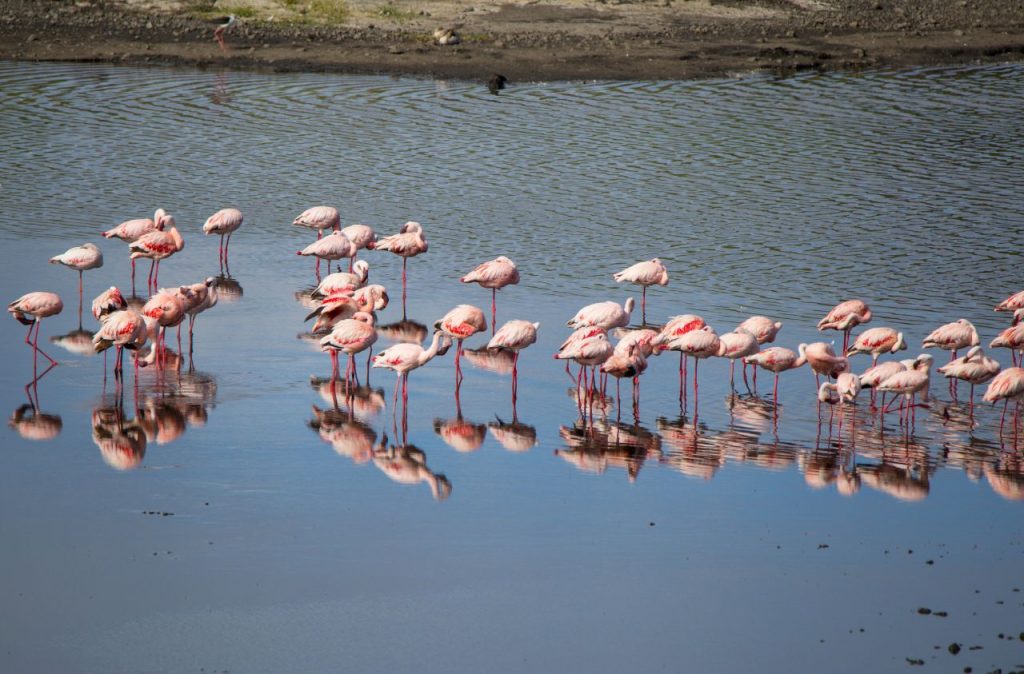
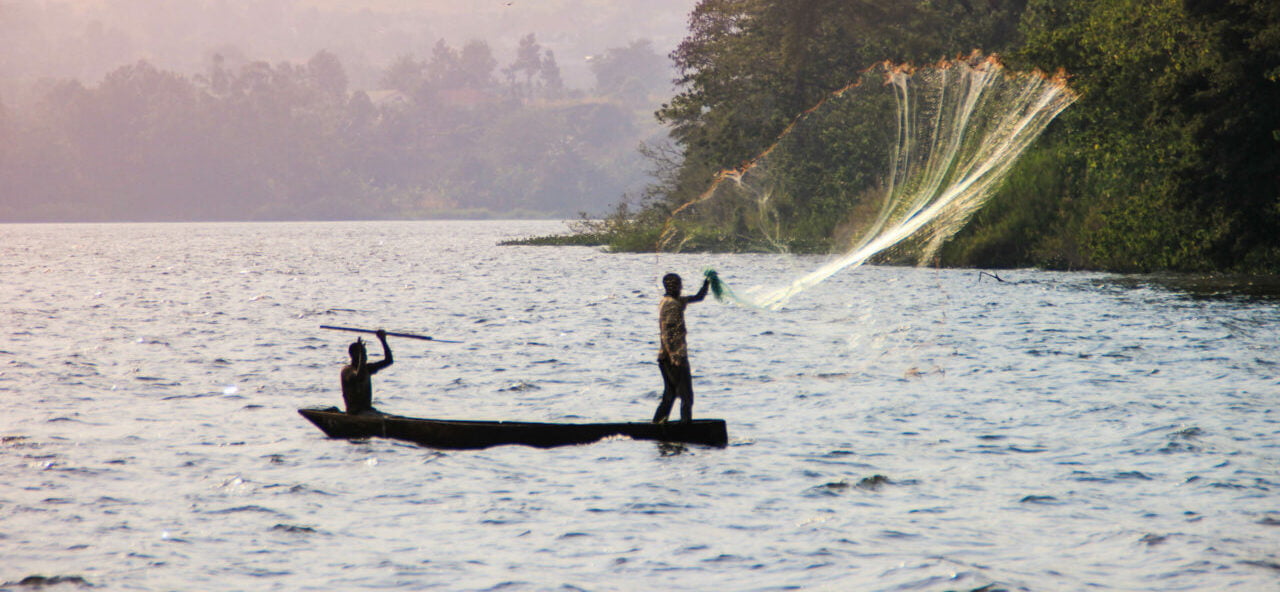
The Lake Victoria is not only the largest lake in Africa, but it is also the largest tropical lake in the world. Shared between Kenya, Tanzania and Uganda, this imposing lake is a key feature in the region’s ecosystem. It is a crucial habitat for a diverse array of wildlife, whether for the many fish that inhabit its waters or for the birds that frequent its shores. Although technically not a lake of the Rift Valley itself, Lake Victoria is linked to the Great Rift Valley ecosystem and contributes to the region’s biodiversity.
Lake Tanganyika
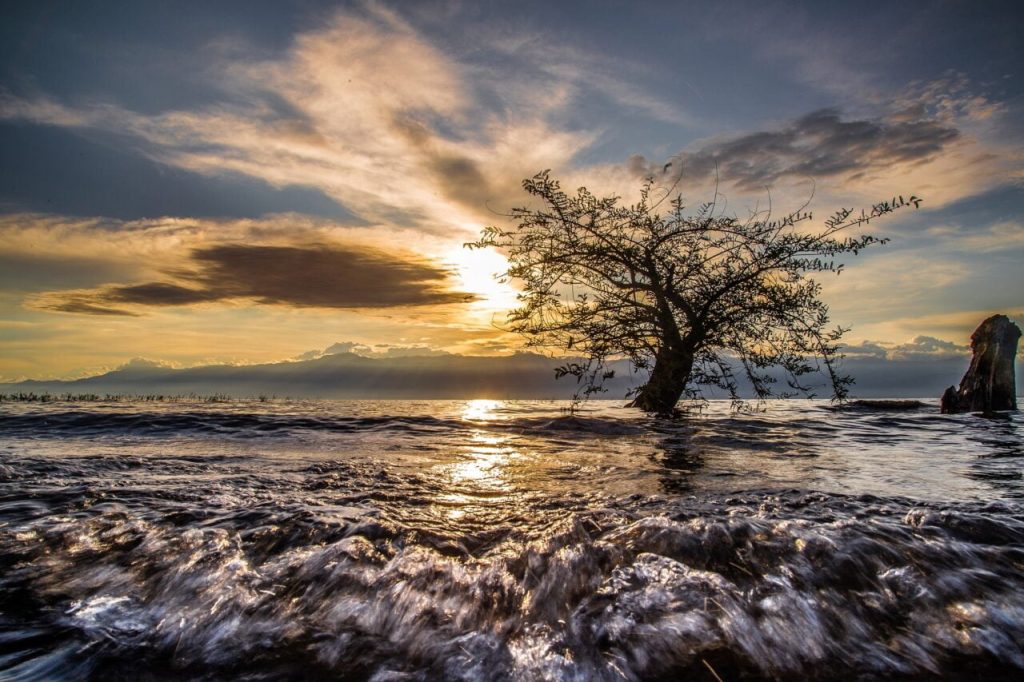
Lake Tanganyika is renowned for its clear, deep waters. In fact, at more than 1,470 metres deep, it is the second deepest lake in the world and the largest lake in the African Rift Valley in terms of volume. Located between the borders of Tanzania, the Democratic Republic of the Congo, Burundi and Zambia, Lake Tanganyika is home to extraordinary biodiversity, including hundreds of species of cichlid fish found nowhere else on Earth. Popular activities include diving, sailing and fishing, making it a favoured destination for adventure lovers and those keen on aquatic life.
Lake Malawi (or Nyasa)
Do you know Lake Malawi? This freshwater body, also shared between Malawi, Tanzania and Mozambique, is Africa’s third-largest lake. With its idyllic beaches and prolific aquatic life, Lake Malawi is often referred to as the “lake of stars” because of the thousands of fish species that glimmer beneath its surface. Its endemic biodiversity, notably the large number of cichlids, attracts biology enthusiasts and eco-tourists.
Lake Turkana
Lake Turkana in Kenya, once known as Lake Rudolf, is the largest permanent desert lake in the world. This expanse of fresh water is often nicknamed the “Jade Sea” because of the distinctive green-blue colour of its waters. The lake is teeming with algae that attract masses of fish, which are a vital resource for local communities. Lake Turkana is surrounded by an arid landscape and formidable volcanoes, adding to its prehistoric atmosphere and its appeal for tourists seeking unique scenery.
Lake Nakuru
Lake Nakuru, located in Kenya, is famous for its pink flamingos that come to feed in its alkaline waters. Apart from these charming birds, the lake is also the heart of the wildlife in Lake Nakuru National Park, where you can see rhinoceroses, lions and various bird species. Although it is smaller than some of the other lakes mentioned, its impact on tourism and conservation makes it an important site in the Rift region.
Lake Manyara
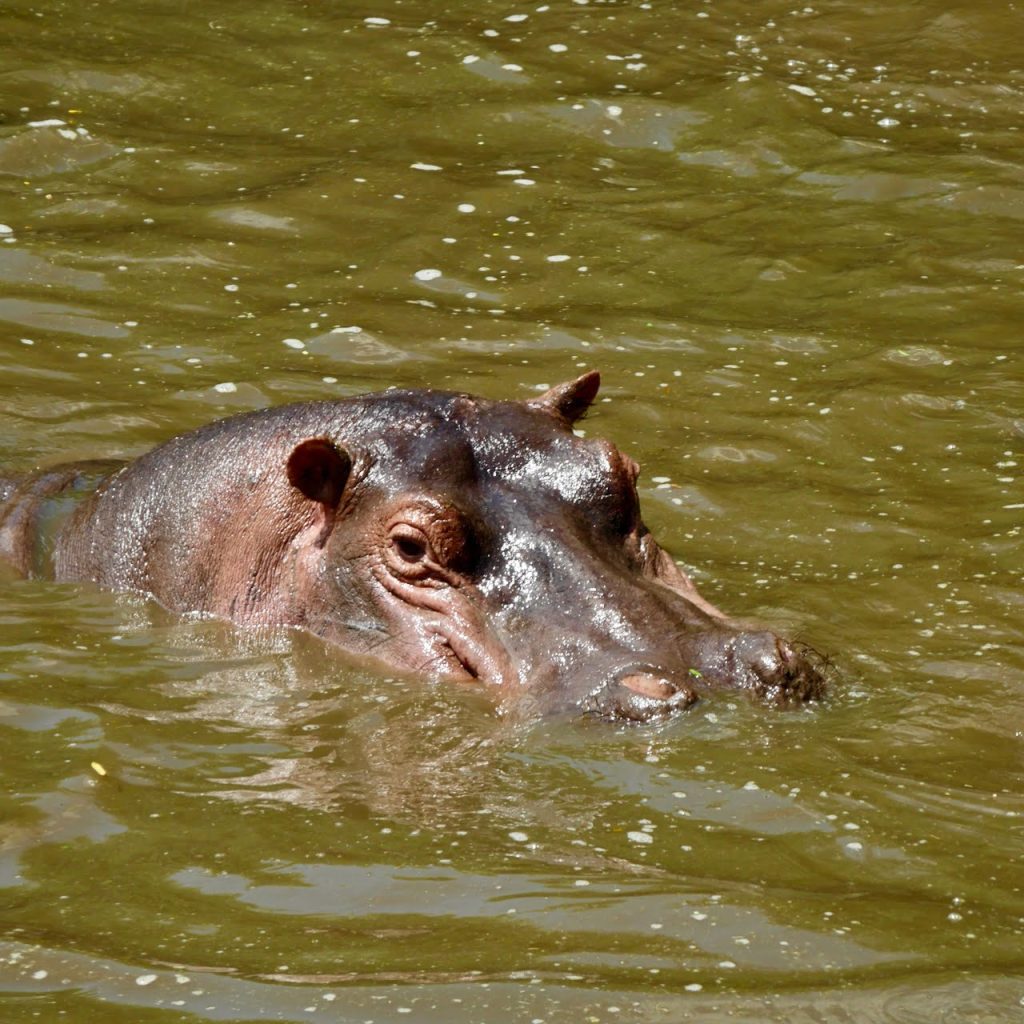
Lake Manyara, in Tanzania, offers visitors a unique experience. In addition to its populations of flamingos and other water birds, Lake Manyara National Park is famous for its lions, which have the rare habit of climbing trees. The lake is a central feature in an ecosystem that also includes elephants, giraffes and baboons, making a visit to this park an unforgettable experience for nature lovers.
Each lake mentioned here is an integral part of the complex ecosystem of the Great Rift Valley and offers unique features that set it apart. Whether it is birdwatching, spectacular dives or simply relaxing on pristine beaches, the lakes of the East African Rift offer something for everyone, promising an unforgettable adventure for those seeking to go Off Road Tanzania.
These freshwater reservoirs are not only significant for tourism in East Africa, but they also support incredible biodiversity and human communities for millennia. Thus, a visit to the East African Rift region would not be complete without exploring these lush and dynamic lakes, reflections of the power and beauty of the Earth.