What is the best time to climb Kilimanjaro?
What is the best time to climb Kilimanjaro?
At 5,895 metres above sea level, Kilimanjaro is not only the highest peak in Africa but also one of the world’s most famous treks. Every year, thousands of hikers and adventurers climb its slopes in search of spectacular landscapes and the thrill of reaching the roof of Africa. However, climbing Kilimanjaro is a serious undertaking that requires careful planning, particularly when it comes to choosing the best time to embark on this exceptional adventure. In this context, understanding the weather and climatic conditions of the region is essential to maximise the chances of success.
Understanding the Climate of Kilimanjaro
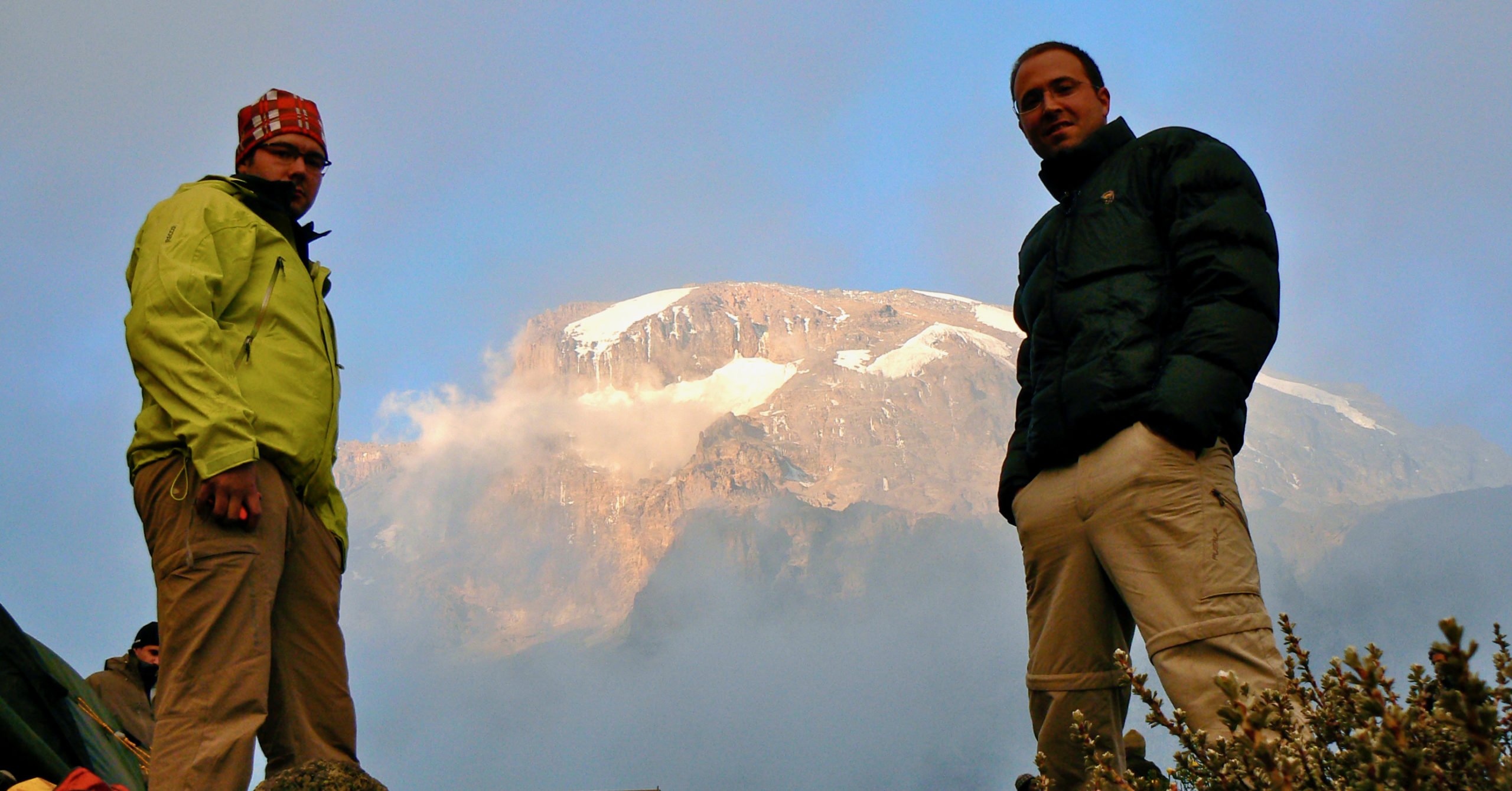
Kilimanjaro is located near the equator, which means temperatures there are relatively stable throughout the year. However, the climate on the mountain is influenced by altitude, and climbers will pass through five distinct eco-zones, ranging from tropical rainforest to the arctic zone at the summit.
Kilimanjaro has two main rainy seasons: from March to late May (the long rains season) and from November to early December (the short rains season). Rainfall increases and the routes become muddy, making the ascent more difficult and less enjoyable. The rainy periods also coincide with increased cloud cover and snowfall at the summit, which can limit visibility.
The Best Months to Climb Kilimanjaro
It is widely accepted that the best times to climb Kilimanjaro are from January to mid-March and from June to October. These windows coincide with the dry seasons, thereby offering milder conditions for climbing.
From January to mid-March is the first dry season of the year. It is characterised by warmer temperatures and reduced rainfall. This period is particularly advantageous for those wishing to avoid crowds, as it is generally less busy than the following one. However, the summits may be covered in snow, which adds to the difficulty but also to the beauty of the trek.
June to October is the high season for climbing Kilimanjaro. Not only is the weather generally better – little rainfall and often clear skies – but this period also coincides with the summer holidays in many countries, attracting more hikers. Although this season offers a great chance of success and magnificent views, it is essential to book your trip well in advance because of the crowds.
Choosing Your Route According to the Season
The choice of route to climb Kilimanjaro can also depend on the season chosen. With seven main routes leading to the summit, each route offers varied experiences and challenges. During the high season, it is advisable to consider less frequented routes such as Lemosho or Rongai to avoid the crowds. Conversely, during quieter periods, it can be pleasant to take more popular routes such as Machame or Marangu, as they will be less crowded.
Factors to Consider for your climb
When planning your Kilimanjaro trek, it is important to take various factors into account that can influence your experience.
- Physical fitness: Are you in good physical shape and ready to face the rigours of altitude?
- Altitude experience: Have you already done treks at high altitude and do you know how your body reacts?
- Adaptability to weather conditions: Are you flexible and able to adapt to rapid changes in weather?
- Preparation: Do you have the right equipment and suitable clothing for the different climate zones?
Taking these aspects seriously can make all the difference between a rewarding experience and a demanding adventure.
Plan Ahead
No matter which period you choose to climb Kilimanjaro, the key to success lies in preparation. Make sure to book your trip several months in advance, particularly during the high season. This will give you enough time to train physically, get used to the altitude, acclimatise, and check your equipment.
In addition, working with an experienced trek agency that knows the mountain and its challenges well can greatly contribute to your success. They can provide you with precise advice on preparation and guide you throughout the ascent, ensuring your safety and comfort.
Finally, it is important to emphasise that climbing Kilimanjaro is a memorable adventure, whatever the time of year. With proper preparation and careful attention to logistics, climbing this majestic peak can become one of the most rewarding experiences for any hiking and adventure enthusiast.
Kilimanjaro offers every hiker the unique opportunity to reach both literal and figurative heights. Bearing in mind the climate variations, carefully choosing your travel period and route, and being well prepared, you can look forward to an unforgettable trekking experience in the heart of Africa. Take these tips into account, and the summit of Kilimanjaro could be within your reach.