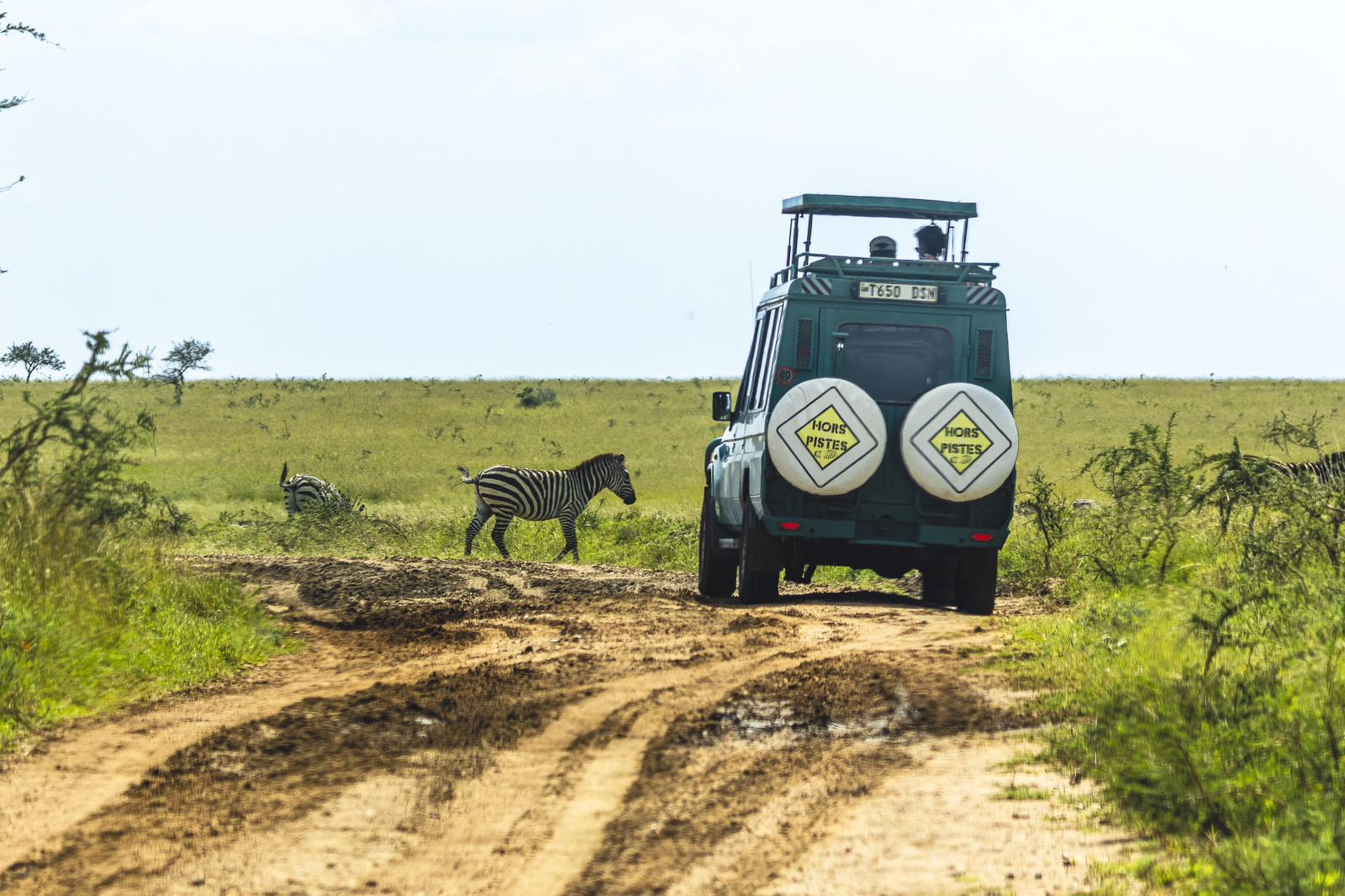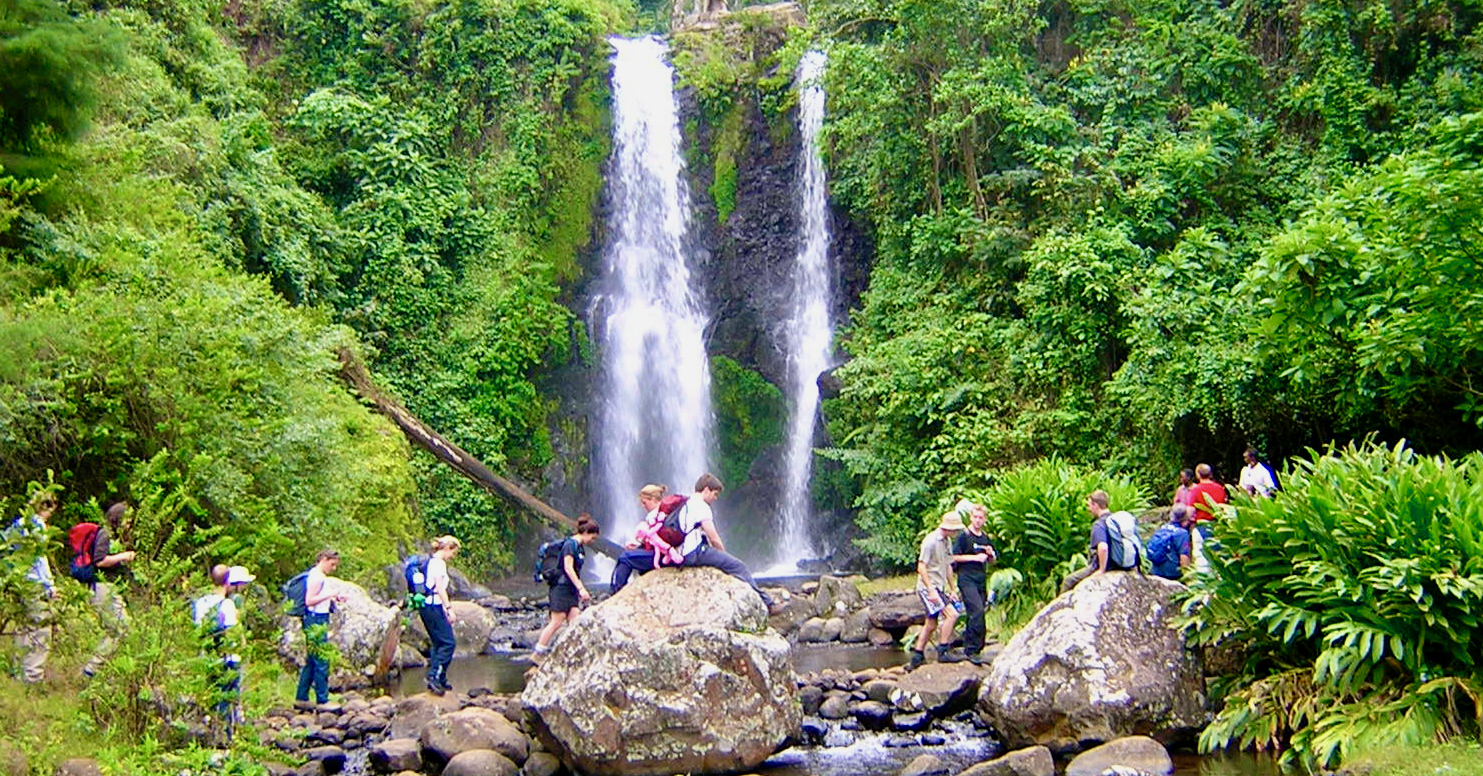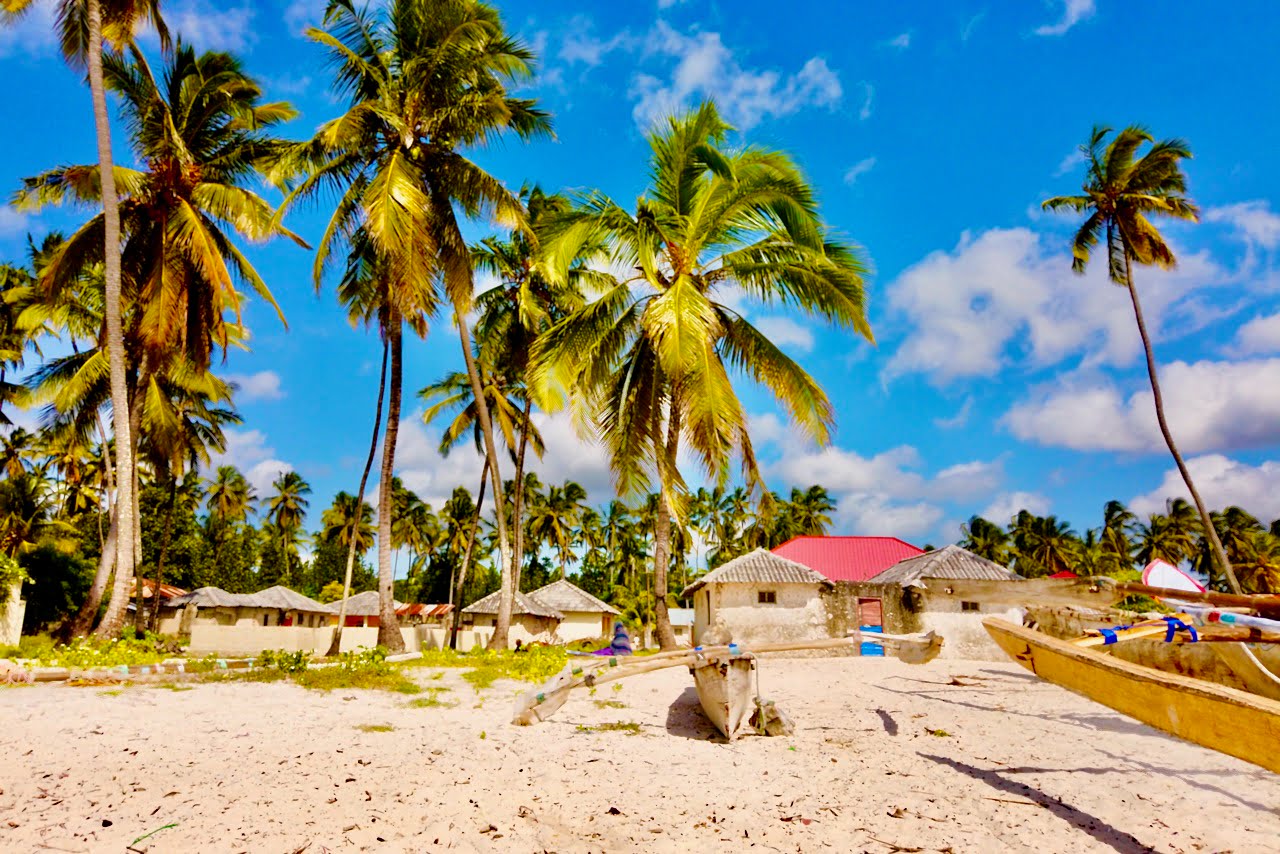
Tanzania is a flagship destination for wildlife enthusiasts and lovers of breathtaking natural landscapes. With its many national parks and reserves, this East African country offers unmatched safaris where you can observe the “Big Five” and much more. Each park in Tanzania has its own personality and distinctive features. In order to immerse yourself as fully as possible in the experience of African wildlife, here are the must-see parks to discover during your adventure in Tanzania.
Serengeti National Park
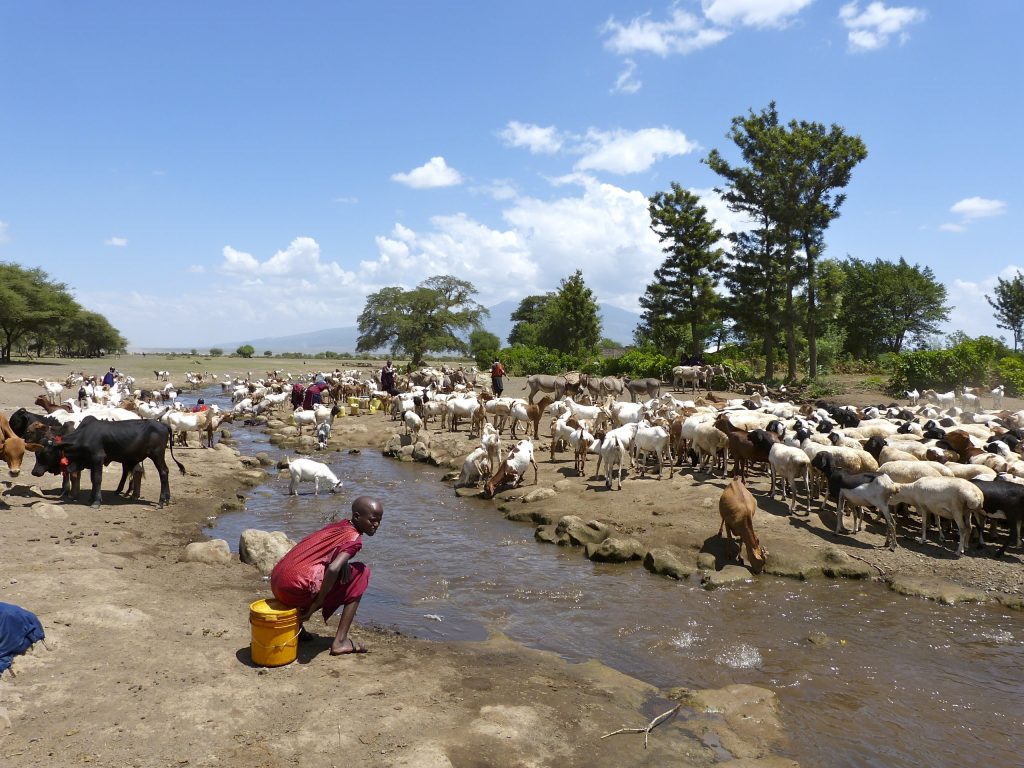
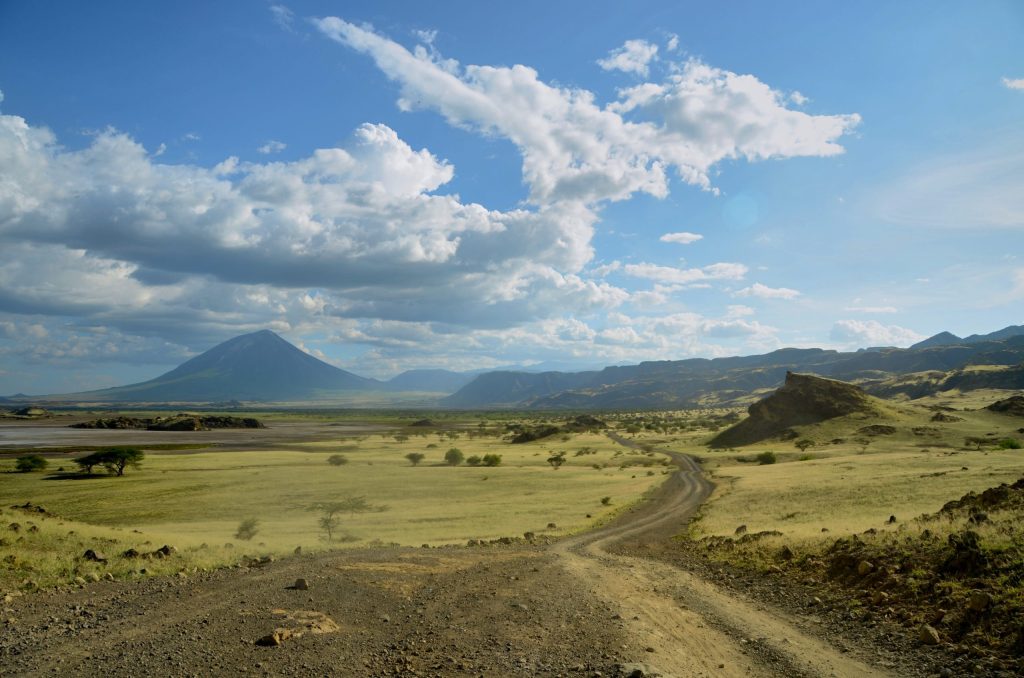
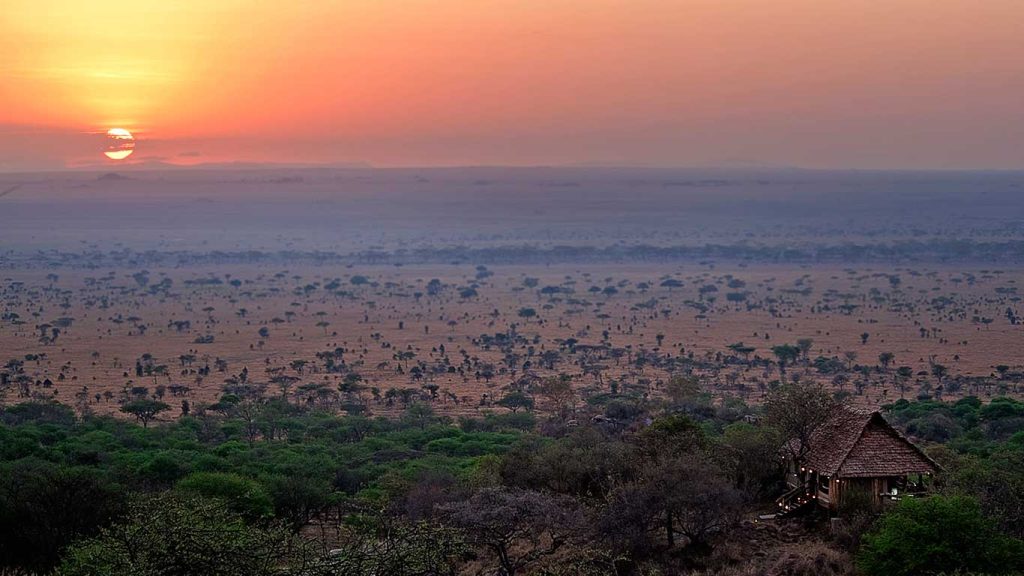
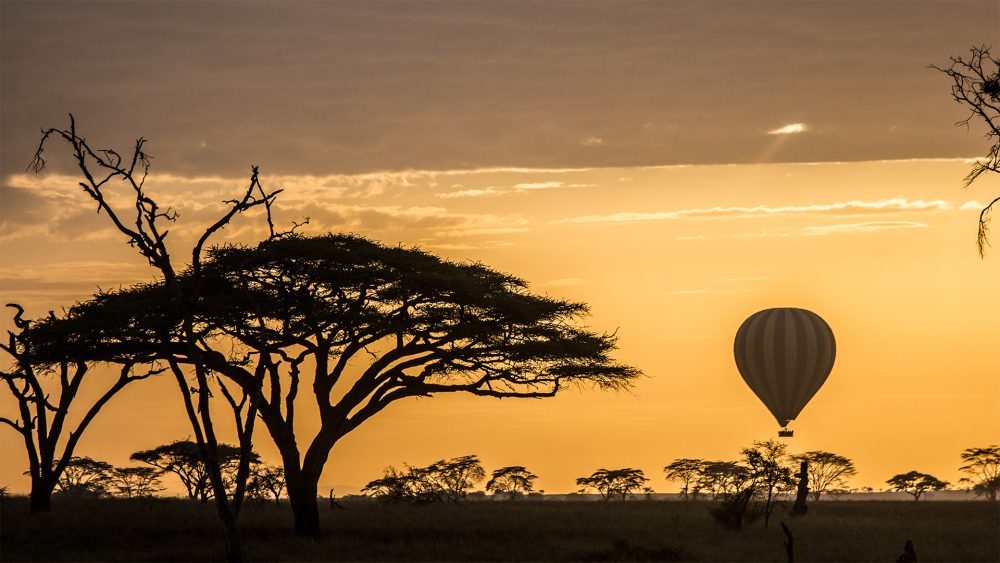
Regarded as the jewel in the crown of Tanzania’s parks, Serengeti National Park is famous for its annual migration of millions of wildebeest and zebras. Covering around 15,000 km², the Serengeti is a unique ecosystem where you can also observe a great diversity of animals, such as lions, leopards, elephants, rhinoceroses and buffalo, often referred to as the ‘Big Five’. The best time to visit the Serengeti is between May and July for the migration, or between January and February for the calving season.
Ngorongoro Crater
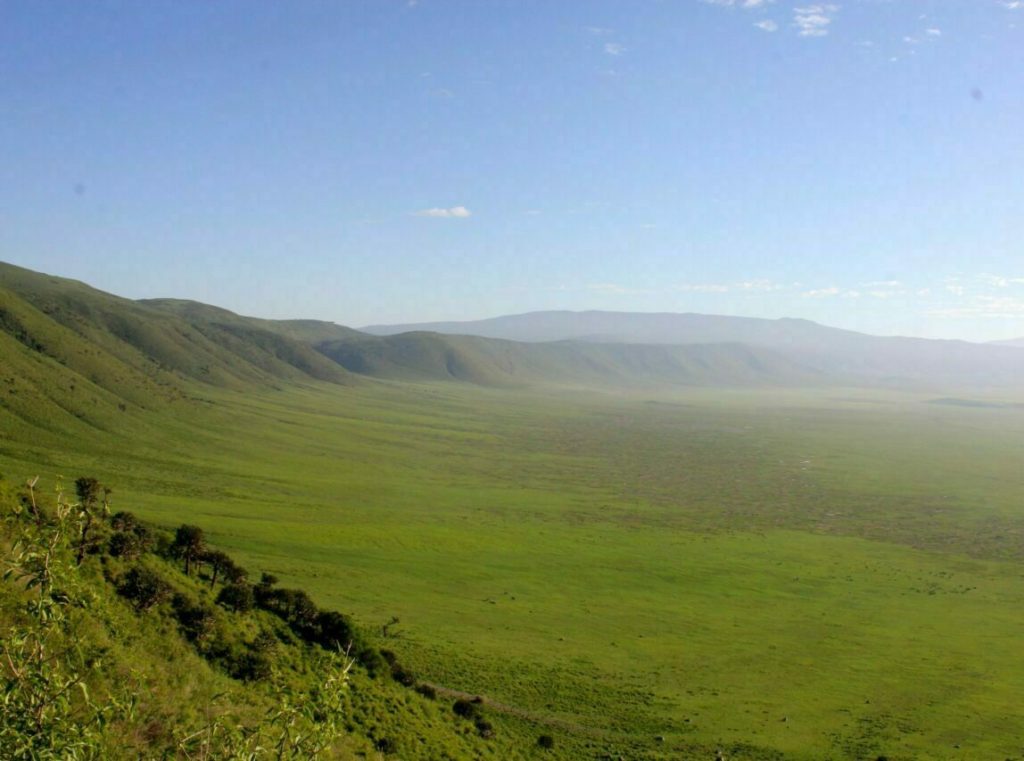
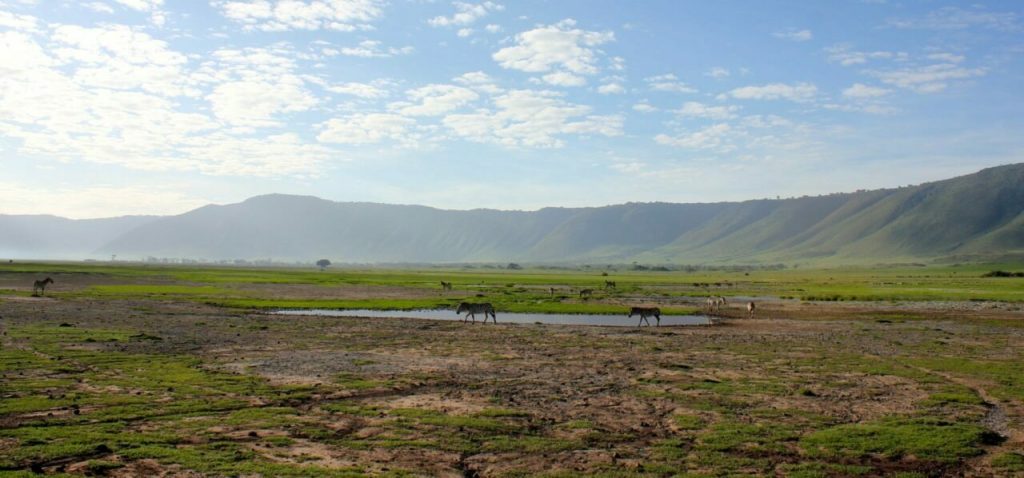
The Ngorongoro Crater, often described as the eighth wonder of the world, is an undeniable must-see. This collapsed volcanic crater, which forms a caldera, is home to an incredible concentration of wildlife. In this spectacular natural arena, you can see lions, elephants, black rhinos and many other species thriving in breathtaking surroundings. It is also one of the few places in Tanzania where you have a good chance of seeing the critically endangered black rhino.
Tarangire National Park
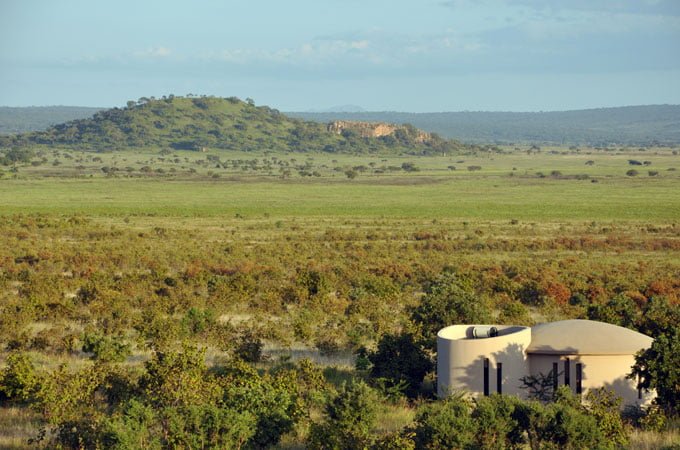
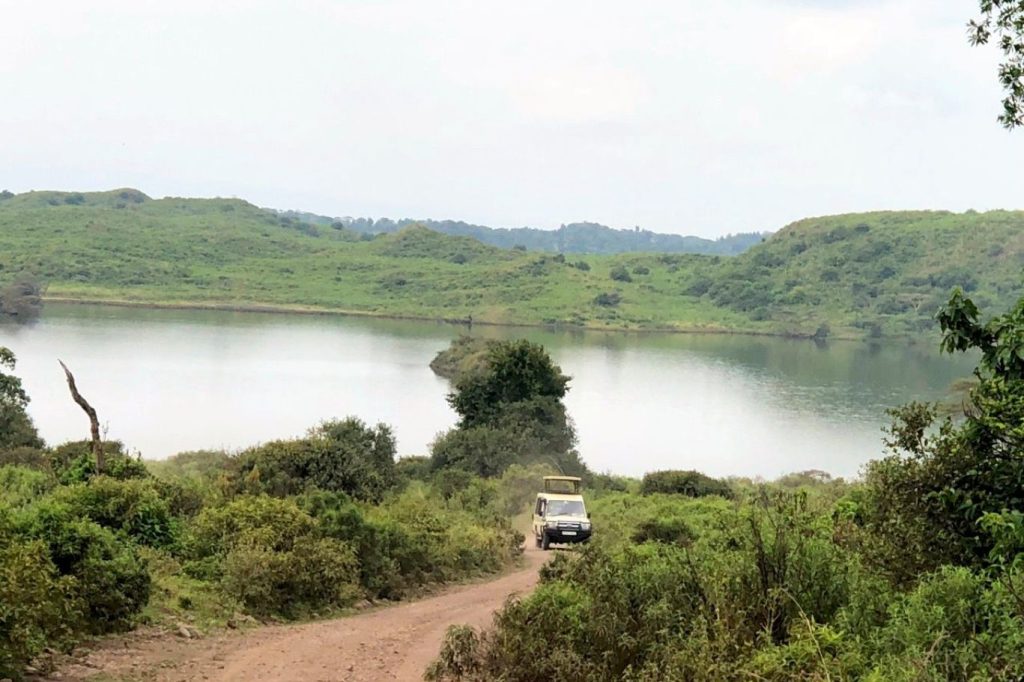
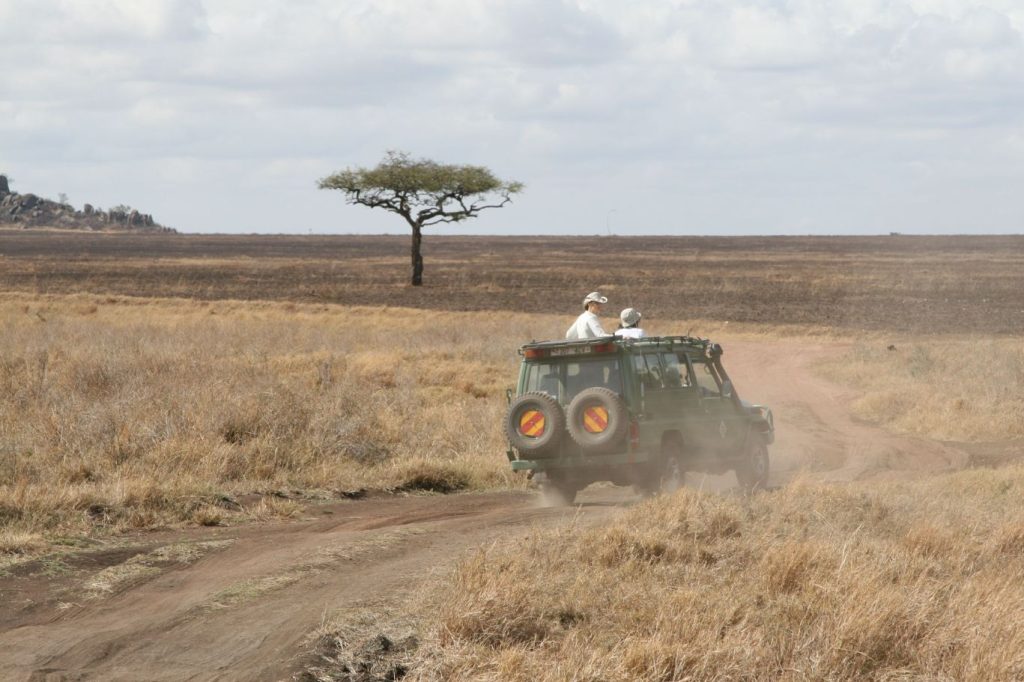

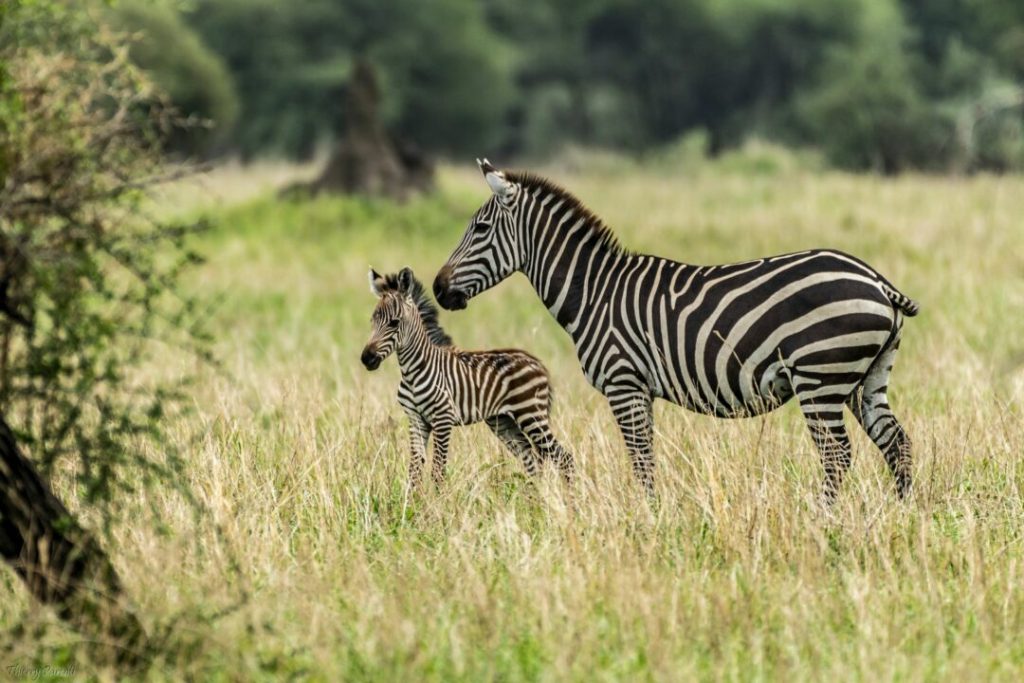
Less famous than the Serengeti or Ngorongoro Crater, Tarangire National Park is nevertheless well worth your attention, especially during the dry season when the drying-up of water sources attracts many animals to the Tarangire River. The park is particularly renowned for its vast herds of elephants and its ancient baobab trees that line the landscape. Birdwatching enthusiasts will also be delighted by the diversity of bird species found in the park.
Manyara Lake National Park
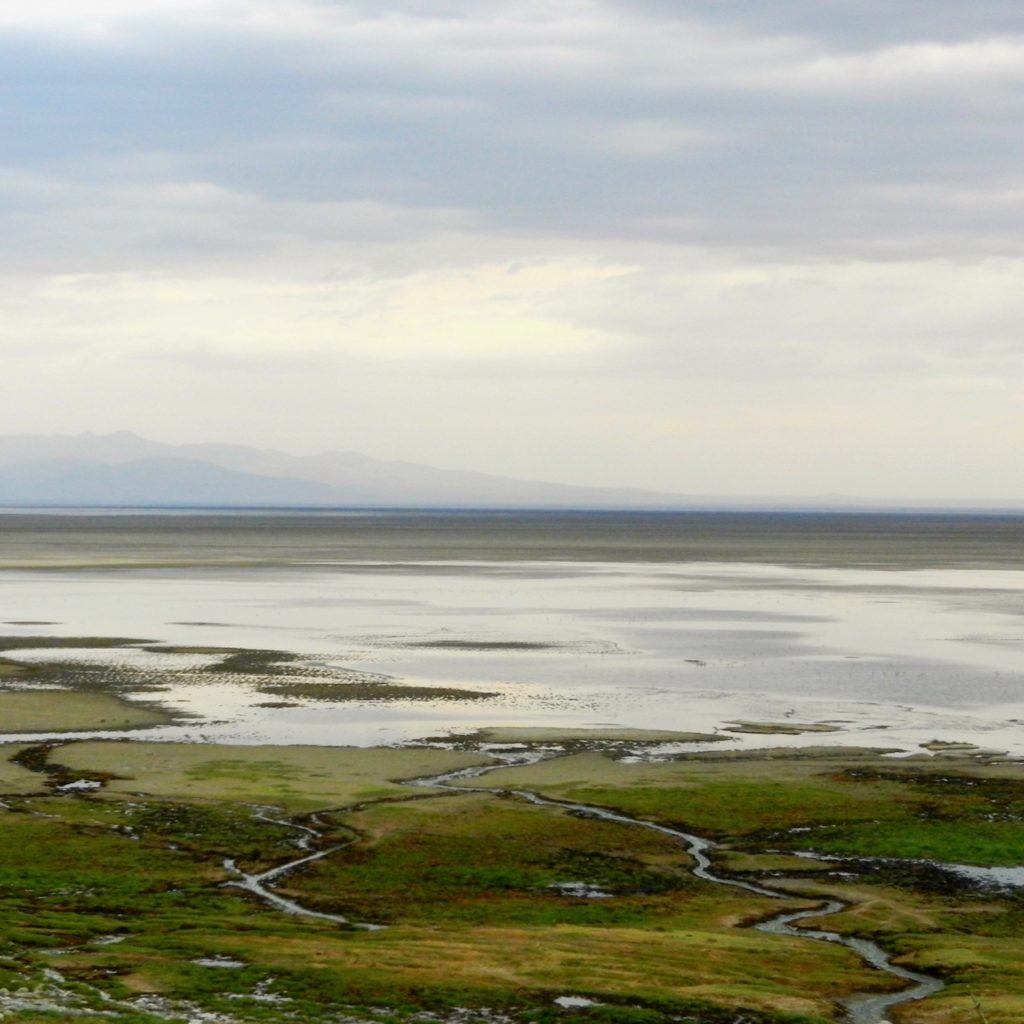
Situated on the edge of the Rift Valley, Lake Manyara National Park is known for its strips of green land cutting through the lake’s alkaline waters and the ochre cliffs of the valley. Visitors are often in search of the famous tree-climbing lions of Manyara, a rare and fascinating feature of the park. This park is also home to a wide variety of birds, including flamingos that gather in their thousands in the lake’s shallow waters.
Ruaha National Park
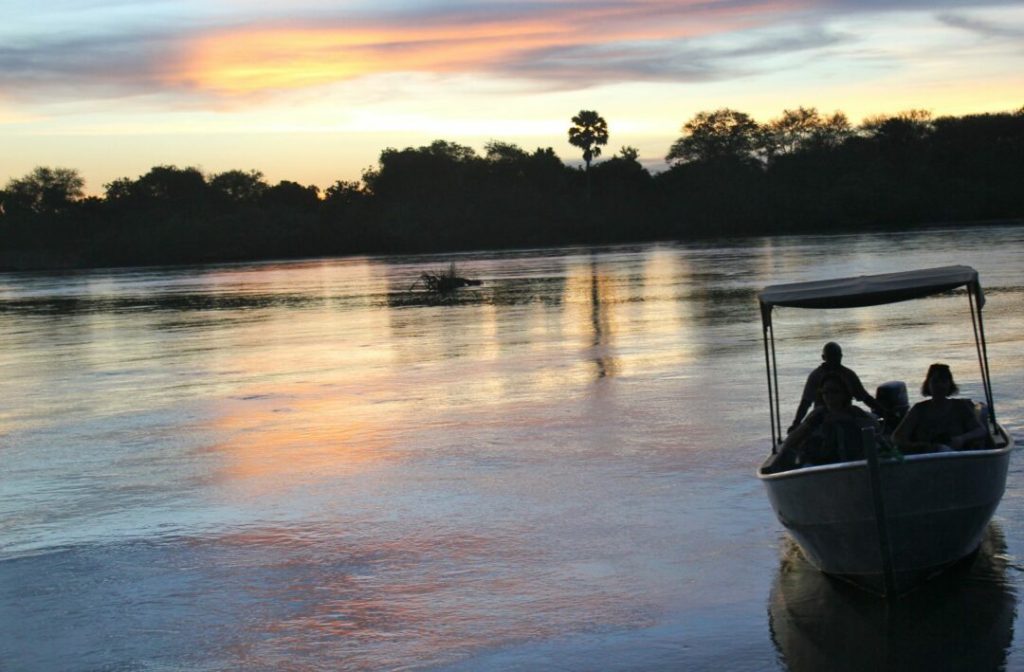
Ruaha National Park is one of Tanzania’s best-kept secrets. More remote and therefore less visited than the more famous destinations, Ruaha offers a true expedition into the bush, where visitors can feel like modern-day explorers. The park is renowned for its large populations of predators, including lions, cheetahs and wild dogs. It is also home to a large elephant population and features diverse vegetation with mountains, rivers and plains.
The Natural Wonders of Tanzania
Tanzania is a paradise for lovers of nature and wildlife. Exploring these national parks on a safari in Tanzania is an experience that stays with you, offering close encounters with some of the most impressive animals on the planet and breathtaking natural landscapes. From the endless plains of the Serengeti to the pink waters of Lake Manyara, each park has its own unique character and wonders. Whether your trip to Tanzania is devoted to safari, birdwatching or photography, you are guaranteed to return enriched with unforgettable memories.
Planning your adventure trip to Tanzania with a specialist agency, such as Off Road Tanzania, will enable you to make the most of these unique experiences. They will know how to guide you through the wonders of this land of adventure and help you create the perfect itinerary for a memorable stay in the heart of Africa. Whether you dream of a trek in the heights of Kilimanjaro or complete immersion in Maasai culture, your trip to Tanzania will certainly be an adventure like no other.