
Why go to the Selous Reserve?
SAFARI A SELOUS
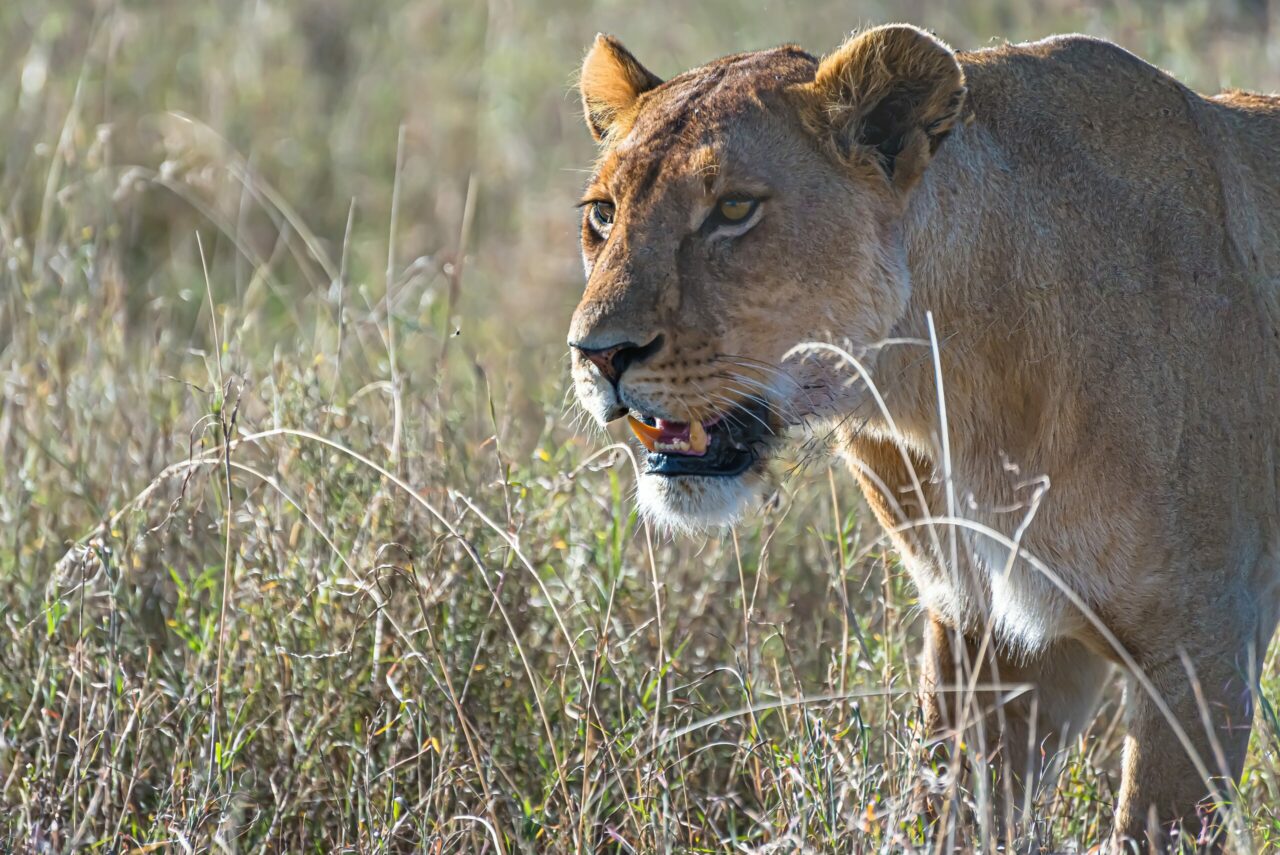
Selous has been a site listed as UNESCO World Heritage for over 40 years! It is a place that is well suited to safari because it is home to a large number of wild animals: lions, leopards, crocodiles and even black rhinos. The great advantage of the Selous Reserve, like the other parks and reserves in southern Tanzania, is that it enjoys absolute peace and quiet. By going on safari in this vast wilderness, you are sure to find yourself alone and to have a unique experience in East Africa.
THE RESERVE’S ANIMALS
There are many predators:
- Lions
- Leopards
- Hyenas
But also many prey species!
- Elands
- Antelopes
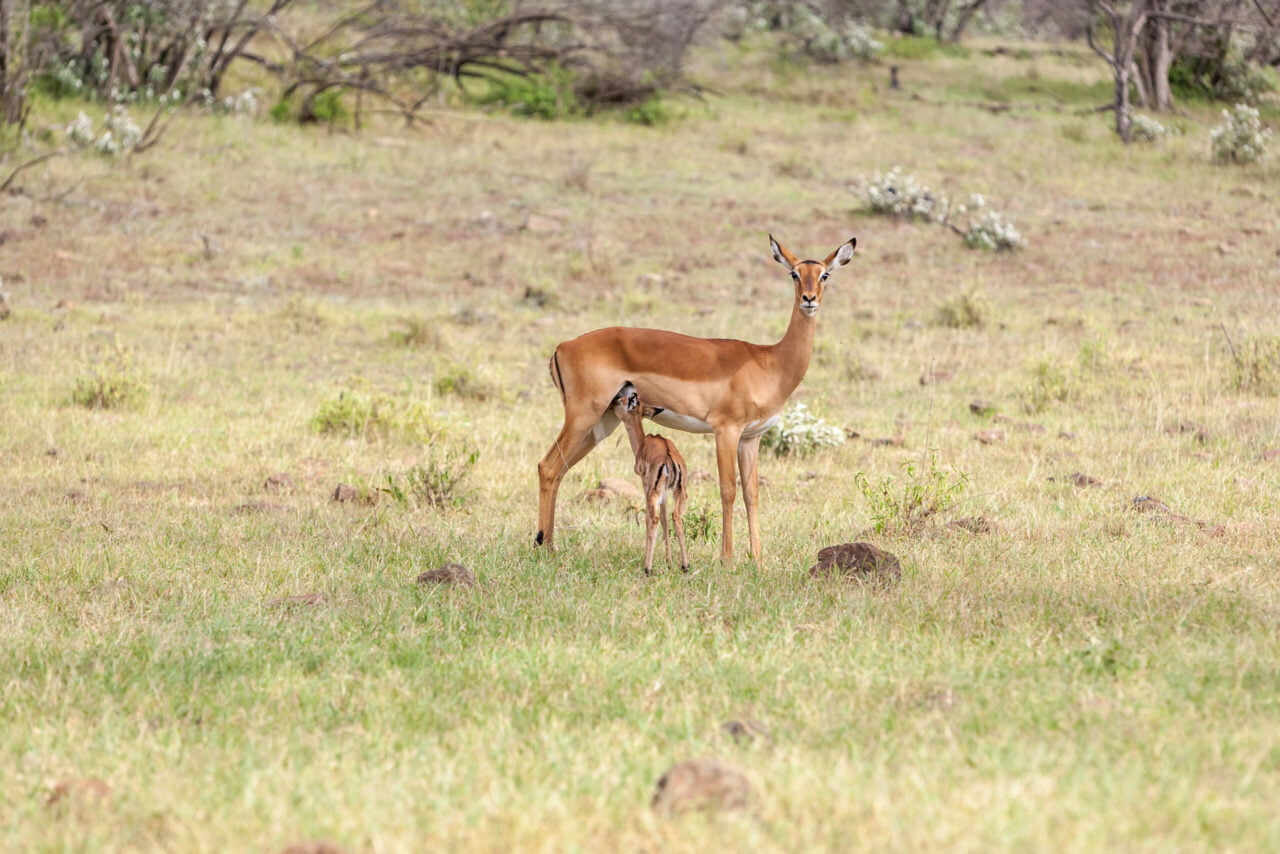
- Impalas
- Wildebeest
- Zebras
- Giraffes
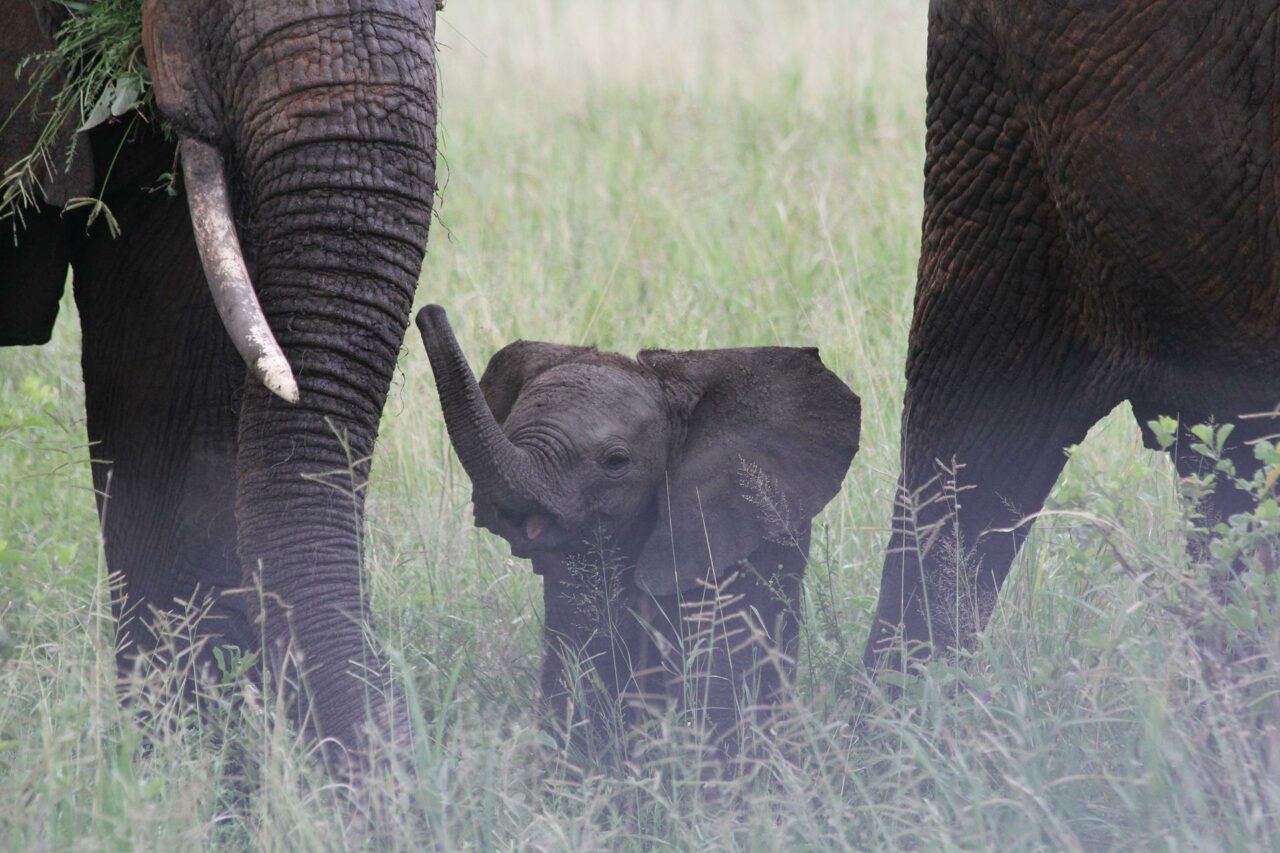
- Elephants
- Buffaloes
- or even hippopotamus
And many birds:
- Kingfisher
- Pelican
- Vulture
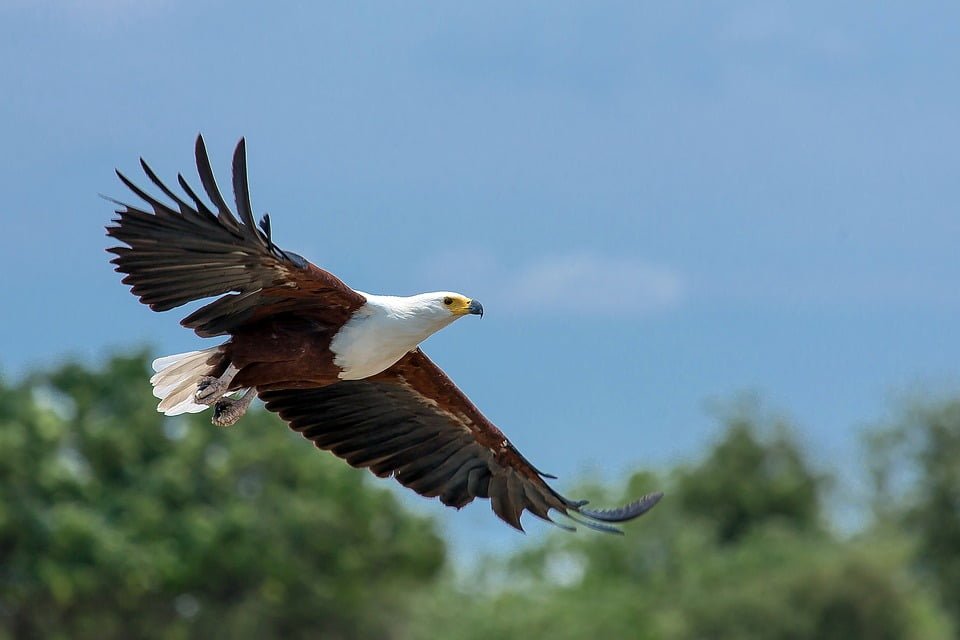
- Fishing eagle
- Carmin
- Ibis
- And lots of small wading birds
THE PRESENT FLORA
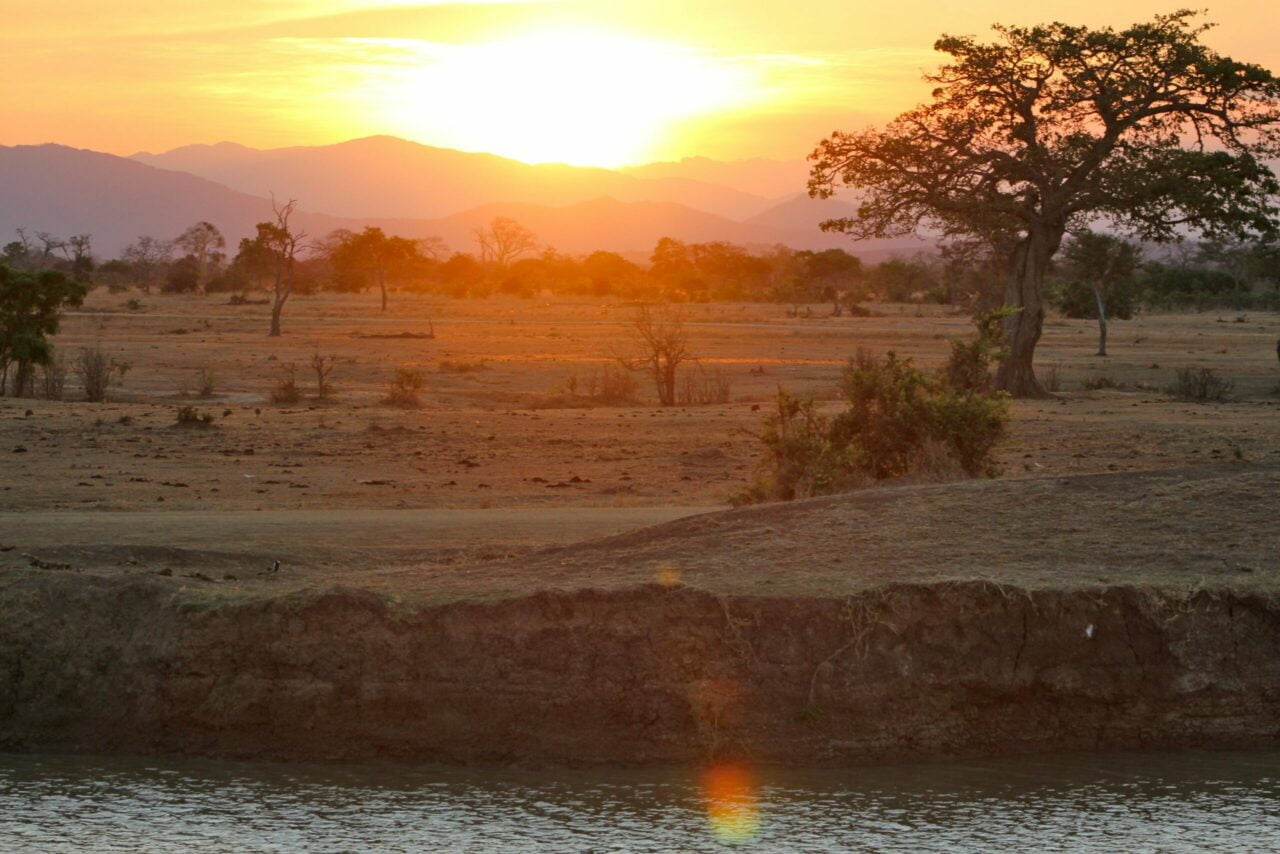
Selous National Park is crossed by the Rufiji River, which feeds many lakes, channels, lagoons and marshes. It features dense vegetation, nearly 2,150 plant species, forests, vast grasslands, savannah and mountain ranges.
JOURNEY INTO THE SELOUS RESERVE
Are you looking for your next big adventure? Go on a safari in Tanzania with a guide in one of Tanzania’s most impressive reserves: the Selous Game Reserve! First and foremost famous for its abundance of mammals, birds and amphibians, the nature reserve also offers a multitude of plant species. It is one of the richest environments in Africa in terms of biodiversity. There are acacias, baobabs and other large plants characteristic of the savannah. Enough to delight botanists!
When is the best time to go on a safari in the reserve?
From May to October, it is the dry season. The dry season also means animals gathering around waterholes. This is therefore the best time to see wildlife. For those who love flora, we would rather recommend the start of the rainy season, in November–December. The landscapes are less dry and the greenery regains its splendour. This does not prevent you from observing wildlife, which is more scattered but still very much present in the park !
The period from January to May is less interesting because the park is virtually impassable until March and the regular showers produce vegetation that is too dense to observe the animals easily.
How do you get to Selous ?
TRAVEL TIME TO SELOUS RESERVE
To get to Selous Reserve, we advise you to land directly at Dar Es-Salaam airport and then travel by 4×4. This takes around 5 hours. Very often, we shorten this journey by stopping over at the national park of Mikumi.
How much does a safari in Selous Reserve cost?
The price of a safari in Selous Reserve is around $75 per adult per day.
Where to stay in Selous Reserve?
Many lodges are located inside or on the outskirts of the Selous Reserve. Some of them offer particularly attractive spots for observing wildlife. The advantage is that prices are more affordable than in the northern parks of Tanzania. Discover our selection of partner lodges.
Excursions and activities to do in the Selous Reserve
One of the reserve’s great highlights is the opportunity to go on boat safaris along the Rufiji River. A walk through the bush is also possible and very enjoyable. Set off on an adventure!